
Things To Do in St. Augustine, Florida: A Local’s Guide (2026)
St. Augustine, Florida is one of those rare destinations where history, great food, beautiful beaches, and genuine character all show up in the same place. Founded in 1565 — more than 40 years before the English established Jamestown — it’s the oldest city in the United States, and one of the most underrated weekend trips in the Southeast. I’ve lived 20 minutes from St. Augustine for two decades and have been visiting my entire life. This guide covers the best things to do in St. Augustine, where to stay, where to eat, and everything a first-timer or repeat visitor needs to know.

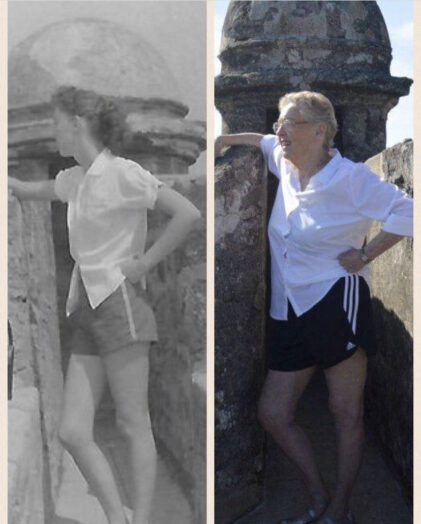
Just a little personal story here: I’ve lived in this part of Florida for 20 years, but I’ve been coming to St. Augustine my entire life. A great aunt lived here and we’d often come here on family vacations because they lived near the beach. My parents came to St. Augustine on their honeymoon in 1957 and my father took a picture of my mom at the Castillo. My brother brought her back here 60 years later to recreate that same photo. It might be my favorite photo of all time!
The History of St. Augustine
St. Augustine has been through more than most American cities could survive. Founded in 1565 by Spanish explorer Pedro Menéndez de Avilés — more than 40 years before the English established Jamestown — it holds the title of the oldest continuously inhabited European settlement in the continental United States, and it has earned every year of that distinction.
The Spanish built this city as a military stronghold, and the evidence is still standing. The Castillo de San Marcos, constructed between 1672 and 1695 from a local shellstone called coquina, was designed to protect Spain’s trade routes from pirates and rival colonial powers. It worked — the fort was never taken by force. Walking through it today, you can still feel the weight of what happened within those walls.
The city changed hands more than once. Britain controlled it for about 20 years in the 18th century, then Spain reclaimed it before Florida was ceded to the United States in 1821. Each era left something behind — in the architecture, the street layout, the food. The Minorcan community, descendants of indentured workers brought over from the Mediterranean in the 1760s, added their own thread to the cultural fabric that’s still very much present today. If you see Minorcan clam chowder on a menu, order it. It’s unique to this city and it’s exceptional.
Then came Henry Flagler. In the late 1880s, the Standard Oil co-founder arrived in St. Augustine and essentially decided to reinvent it as America’s premier winter resort destination. He built the Hotel Ponce de León — now Flagler College — a stunning Spanish Renaissance masterpiece filled with Tiffany stained glass windows. He built the Alcazar Hotel, now the Lightner Museum. He brought the railroad. The Gilded Age money that flowed through St. Augustine during that period shaped the city’s bones in ways you can still see on every block of the historic district.
What makes St. Augustine remarkable is that all of it survived. The fort is still there. Flagler’s hotels are still there. The narrow streets and the coquina architecture and the Spanish city gates — still there. For a country that tends to tear things down and start over, St. Augustine is genuinely rare.
The Best Things To Do in St. Augustine
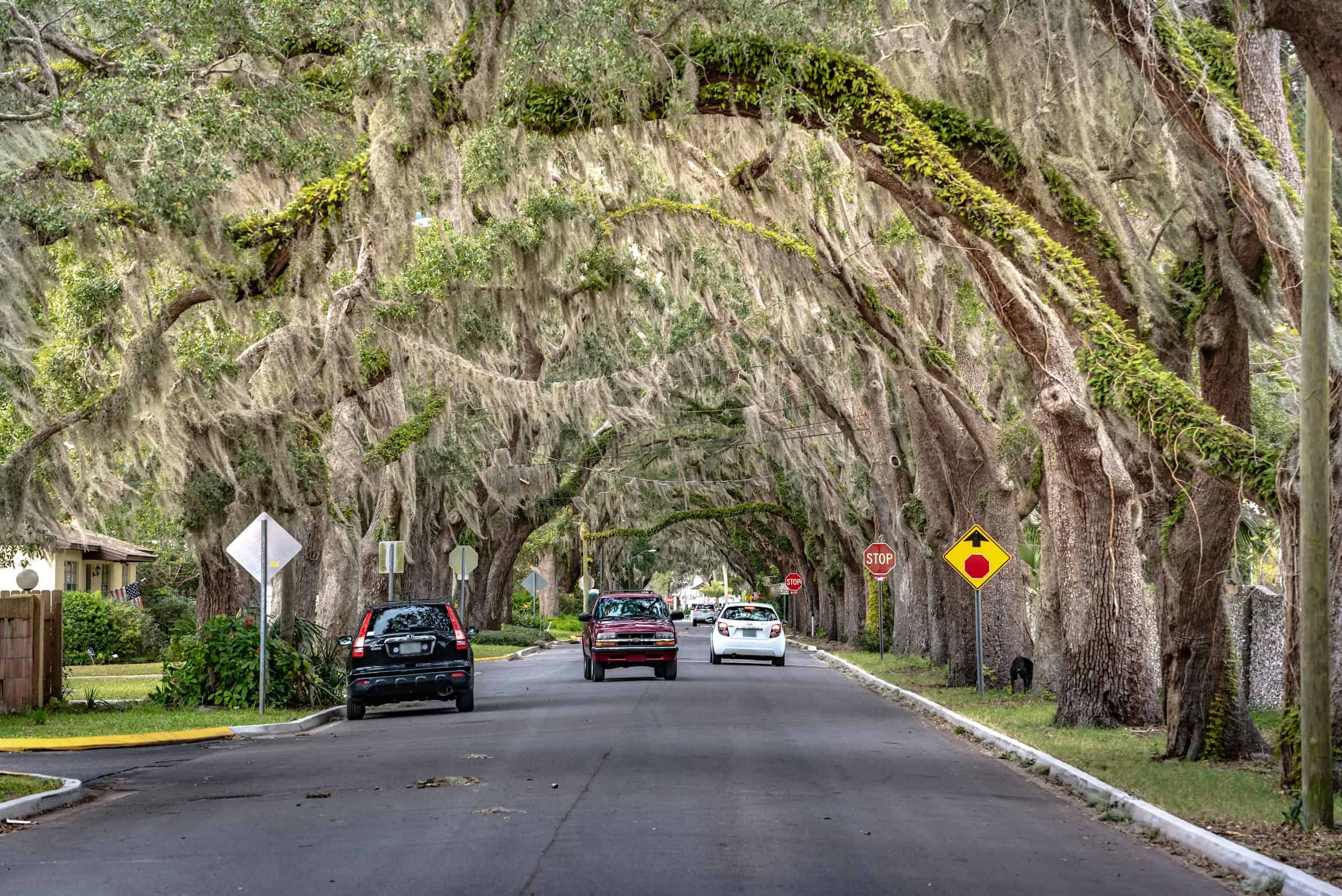
From historic landmarks to picturesque beaches, there’s no shortage of activities in St. Augustine. Here are some top picks that both tourists and locals love. My recommendation is to take one of the city’s iconic trolley tours your first day you can plan out your agenda and places to visit.
Explore the Historic Sites
The city is home to some of the most iconic sites in the U.S. and the city is very walkable. If you’re wondering what to do in Historic St. Augustine, book a walking tour for these must-see attractions.
Castillo de San Marcos
Constructed between 1672 and 1695, Castillo de San Marcos is one of the most iconic historic structures in St. Augustine. This 17th-century fortress, constructed by the Spanish, is the oldest masonry fort in the continental United States. Its well-preserved coquina walls and strategic location along the Matanzas River provide a glimpse into colonial military engineering. You can attend ranger-led talks, witness reenactments, and watch weapon demonstrations in period attire.
Lightner Museum
Housed in the former Alcazar Hotel, built in 1887, the Lightner Museum offers a unique glimpse into 19th-century life. Inside, you’ll find an array of artifacts, costumes, and furnishings from the Gilded Age. It’s a top destination for history lovers.
TIP: Eat lunch at the Café Alcazar which sits on what was the hotel’s large indoor swimming pool.
Ximenez-Fatio House Museum
Dating back to the early 19th century, this well-preserved boarding house offers a window into the lives of 19th-century residents and travelers. The museum highlights the significant role of women in St. Augustine’s history.
St. Augustine Ghost Tours — The City’s Most Popular Attraction
St. Augustine has a well-earned reputation as one of the most haunted cities in America, and ghost tours here are genuinely excellent — not cheesy. The city’s 450+ years of history, colonial-era cemeteries, and layers of conflict make for compelling storytelling whether you’re a believer or a skeptic. My recommendation: Book in advance, especially on weekends and during October. These tours sell out.
Book a St. Augustine ghost tour here
Fountain of Youth
St. Augustine’s Fountain of Youth Archaeological Park commemorates where Ponce de León’s quest led him in 1513. Although the legend is debatable, the park itself is an engaging spot to explore. Located on 15 waterfront acres, it offers historical exhibits, a Spanish watchtower, and trails through a beautiful riverside setting. The park features exhibits on Timucua Native American history, a planetarium, and opportunities to sample the famed spring water.
St. Augustine Alligator Farm Zoological Park
One of Florida’s oldest and most beloved attractions, the Alligator Farm has been operating since 1893 and is fully accredited by the AZA. What makes it genuinely special: it’s home to every species of crocodilian in the world, including rare albino alligators. The rookery — where wild birds nest directly above the alligator ponds — is a remarkable natural spectacle in spring and early summer. This is also where thrill-seekers can do a zipline over a lagoon full of alligators, which is exactly as wild as it sounds.
Great for: Families, wildlife enthusiasts, and anyone who wants to say they ziplined over alligators.
Book your Alligator Farm visit here
Boat Tours on Matanzas Bay
Getting out on the water is one of the best ways to see St. Augustine, and there are excellent options for every interest. The Schooner Freedom sunset sail is consistently one of the highest-rated experiences in the city — a two-hour sail on a 72-foot tall ship with drinks available and genuinely beautiful views of the fort and Castillo at golden hour. For wildlife, the dolphin and wildlife adventure tours run regularly and almost always deliver sightings. During the Nights of Lights season, the illuminated-city boat tours are spectacular.
Book a St. Augustine boat tour here

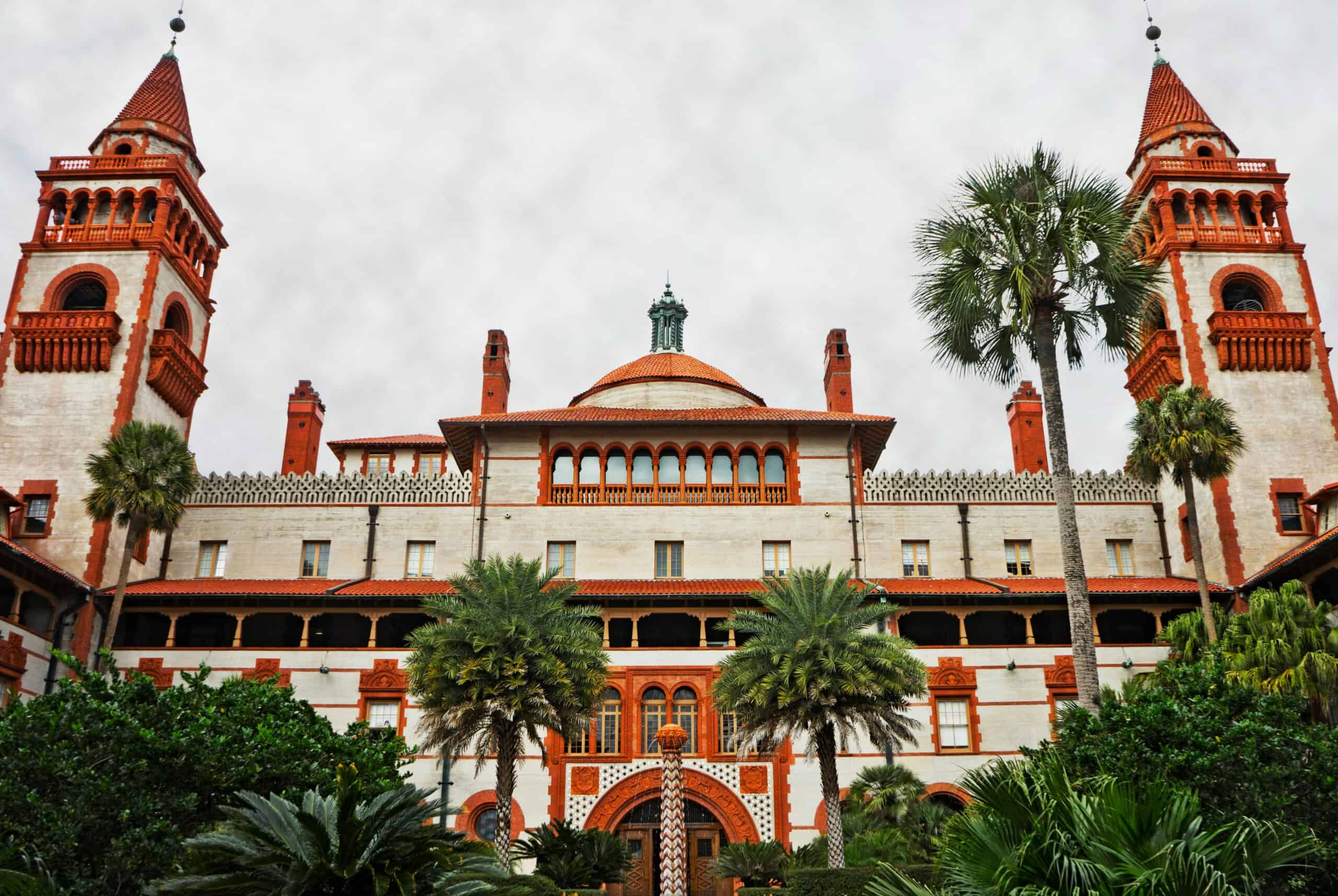
Flagler College
Formerly the opulent Hotel Ponce de Leon, built by industrialist Henry Flagler in 1888, this architectural masterpiece showcases Spanish Renaissance style with intricate details, including Tiffany stained glass windows. Guided tours provide insights into its lavish past.
St. George Street
This pedestrian-only thoroughfare is lined with historic buildings, charming shops, and eateries. Strolling along St. George Street offers a vibrant blend of the old and new, capturing the essence of St. Augustine’s rich heritage.
St. Augustine Lighthouse & Maritime Museum
The black-and-white striped St. Augustine Lighthouse is one of the most photographed landmarks on Florida’s Atlantic coast — and climbing it rewards you with sweeping views all the way to the coastline and historic district. Built in 1874, the lighthouse is still active and the museum at the base does a good job telling the story of the city’s maritime heritage. Budget about 90 minutes here. The gift shop is worth a stop.
Insider tip: Go in the morning before the heat and crowds arrive. Parking is free.
Book a lighthouse tour here
Fort Matanzas National Monument
Located a short drive south of downtown, this fort was built by the Spanish in 1742 to guard the southern approach to St. Augustine. Accessible via a scenic boat ride, it provides insights into the city’s defensive strategies during colonial times.
Trolley Tours
For visitors looking for a convenient way to explore the city’s historic sites, St. Augustine’s trolley tours offer a hop-on, hop-off experience. The Old Town Trolley Tours allow you to ride through the city’s cobblestone streets while listening to entertaining and informative narrations about the area’s history. With multiple stops near top attractions, visitors can get off to explore and hop back on when ready to continue their journey. Tickets often include discounts to museums and other attractions, making it a budget-friendly way to see the city.
Things To Do At St. Augustine Beach
I grew up going to St Augustine Beach as a child and I’ll tell you, it hasn’t changed that much. Known for its soft, white sands and stunning natural beauty, it’s one of Florida’s top beaches with a perfect blend of natural beauty, history, and relaxation along Florida’s Atlantic coast. It’s located on Anastasia Island where you can rent paddleboards, kayaks, or simply relax by the shore. If adventure is more your thing, there’s hiking, and wildlife spotting. It’s a perfect escape for families or couples looking for a scenic beach day and it is a favorite destination for sunbathing, beachcombing, and water sports. Visitors can also explore the historic St. Augustine Lighthouse and Maritime Museum, which offers stunning views of the coastline. Whether you’re looking for outdoor adventure or a peaceful retreat, St. Augustine Beach and Anastasia Island provide an idyllic escape.
Don’t miss Anastasia State Park, which flanks the beach on the island’s north end. It has some of the most pristine undeveloped shoreline in northeast Florida, plus nature trails, kayak rentals, and a campground. It costs a few dollars to enter but it’s well worth it.

The Best Hotels in St. Augustine
Generally, whether you’re looking for a cozy bed and breakfast or a luxurious hotel, historic St. Augustine has accommodations to suit every preference.
Luxury splurge: Casa Monica Resort & Spa
Best romantic boutique hotel: The Collector Luxury Inn & Gardens
Best beachfront resort: Embassy Suites by Hilton St. Augustine Beach Oceanfront Resort
Best modern downtown stay: Renaissance St. Augustine Historic Downtown Hotel
Best budget-friendly historic district stay: Casa de Solana Bed & Breakfast
For luxury travelers, Casa Monica Resort & Spa remains the landmark hotel in the historic district. The Moorish-inspired architecture, rooftop pool, spa, and central location make it one of the most recognizable stays in the city. You can walk directly from the hotel to restaurants, museums, and St. George Street without ever needing your car.
Stay in the heart of everything instead of driving back and forth
For a more romantic boutique experience, The Collector Luxury Inn & Gardens is one of the most charming properties in town. Built from a collection of historic homes, the adults-focused property feels tucked away and intimate while still being steps from the heart of downtown. This is the type of place that works especially well for couples’ getaways and anniversary trips.
Upgrade your trip with a stay travelers rave about

If you prefer beachfront accommodations, Embassy Suites by Hilton St. Augustine Beach Oceanfront Resort offers direct beach access while still being a relatively easy drive into the historic district. It’s one of the better choices for travelers who want both beach time and sightseeing without fully committing to one or the other.
Stay where the beach is literally outside your door
For travelers wanting a polished, modern boutique stay downtown, Renaissance St. Augustine Historic Downtown Hotel performs well because of its newer feel, walkable location, and strong appeal for weekend travelers exploring the historic center.
Book the hotel that makes the entire trip feel different
The biggest decision in St. Augustine is whether you want to wake up near the beach or inside the historic district itself. For first-time visitors, staying downtown usually creates the more memorable experience since you can walk the city at night after the day crowds disappear.
The Best Bed-and-Breakfasts in St. Augustine
The Cedar House Inn is a charming, Victorian-style B&B located in the heart of the historic district, offering beautifully decorated rooms, gourmet breakfasts, and warm hospitality. Guests can enjoy a relaxing porch, complimentary wine, and easy access to top attractions.

St. Francis Inn is one of the oldest inns in St. Augustine – and my personal favorite – dating back to 1791, this cozy B&B blends historic charm with modern comfort. Guests can enjoy a peaceful courtyard, complimentary bicycles, and homemade treats, all within walking distance of the city’s main sites.

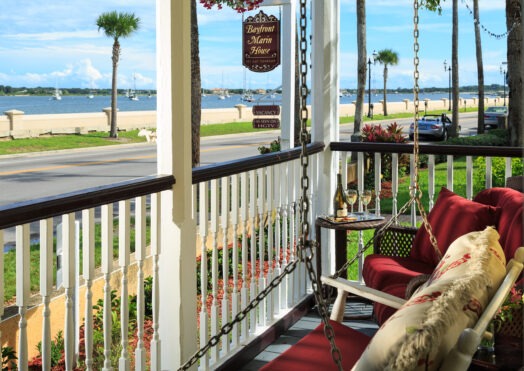
Bayfront Marin House – A romantic waterfront B&B with stunning views of Matanzas Bay, featuring elegantly appointed rooms, private porches, and made-to-order breakfasts. Perfect for couples, this inn offers complimentary happy hour drinks and a prime location near downtown attractions.
The Best Restaurants in St. Augustine
As a local and a foodie, this is a tough one. There are SO many great restaurants in St. Augustine that I can’t possibly list them all so I’m focusing on those with unique cuisine and unique features. The city’s dining scene offers a diverse range of flavors, with options that showcase both local and international cuisine.
One of the city’s oldest and most beloved restaurants, Columbia Restaurant serves up flavorful Spanish and Cuban dishes. The menu includes favorites like Paella a la Valenciana, Pompano en Papillot, and the iconic 1905 Salad. It’s a must-visit for those who love bold, international flavors.
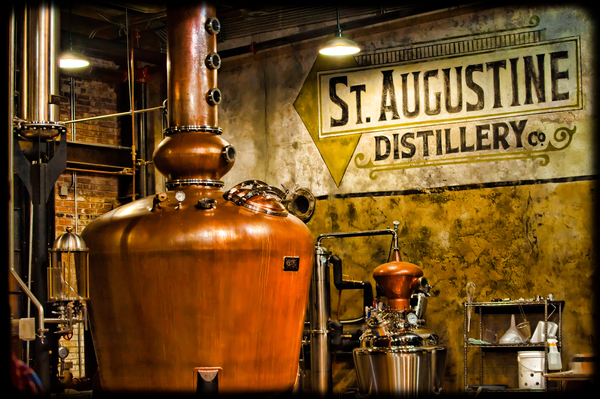
A popular spot is The Ice Plant, located in a repurposed 1927 ice plant building. Here, you’ll enjoy farm-to-table dishes and exceptional craft cocktails. Be sure to stop by the St. Augustine Distillery downstairs for a whiskey tasting. I’d be remiss not to give this one its own mention. The Distillery produces small-batch spirits in a beautifully restored 1917 ice plant in the historic district and offers free tours and tastings daily. Even if you’re not a spirits drinker, the building alone is worth seeing. The Ice Plant Bar upstairs is a fantastic spot for cocktails.
Two of my personal favorites (although there are MANY) are Lotus Noodle Bar where Chef Barry Honan prepares chef modern Japanese craft ramen and Llama which serves Peruvian cuisine in a tiny 10-seat restaurant. Oh wait! There’s one more! La Nouvelle is an ahhh-mazing French restaurant in the historic district.
A few others I’ll mention are The Reef on Vilano Beach, Caps on the Water on Vilano Beach, Sainte-George Restaurant, Asado Life, and Casa Reina.
INSIDER TIP: Always make dinner reservations in St. Augustine, especially for these smaller, more intimate restaurants.
I also highly recommend taking a St Augustine food tour where you can try so many of the local flavors. Book at St Augustine food tour.
Getting Around in St. Augustine
St. Augustine is one of those rare cities where getting around is part of the experience. The historic district is compact and walkable, but how you choose to navigate it can completely change the trip.
The easiest way to cover the most ground is the Old Town Trolley, which loops through all the major landmarks with hop-on, hop-off flexibility. It’s a smart move if you’re short on time or traveling with people who aren’t up for a lot of walking — you can ride the full loop to get your bearings, then hop off wherever catches your eye. Book your Old Town Trolley tickets here.
For something a little more charming, golf cart rentals are wildly popular in St. Augustine and honestly one of my favorite ways to explore. You can cover the narrow streets of the historic district at your own pace, park easily, and duck into whatever looks interesting without being tied to a schedule. Several rental companies operate downtown and it’s a surprisingly affordable way to spend an afternoon. Book your golf cart rental here.
If you want to slow everything down and see the city the way visitors did a century ago, a horse and carriage tour is worth every minute. The narrated tours wind through the historic district after dark especially well — the lighting, the cobblestones, the Spanish architecture. It’s genuinely atmospheric in a way that a trolley or golf cart can’t quite replicate. Book your horse and carriage tour here.
And whatever you do, don’t spend your entire time on land. St. Augustine’s waterfront is one of its most underrated assets, and a sunset sail on the Matanzas River is one of those experiences that reminds you why you travel in the first place. The light on the water here at golden hour is something else entirely. Several operators run sailing excursions out of the downtown marina, ranging from private charters to small-group sunset sails. Book your sunset sail here.
When Is The Best Time To Visit St. Augustine?
Let me start by saying, this is Florida, the sunshine state so the weather is pretty nice year round. As a local, I advise people to avoid the high season and particularly the holidays. The best time to visit St. Augustine is during the spring (March to May) and fall (September to November) when the weather is pleasantly warm, and the crowds are smaller. These seasons offer ideal conditions for exploring outdoor attractions and historic sites without the heat and humidity of summer. The city’s Nights of Lights, held from November through January, is another popular time to visit but the city can be ridiculously crowded. If you want to visit for the lights, I suggest the first and last weeks of the event.
Frequently Asked Questions About St. Augustine
What is St. Augustine, Florida famous for? St. Augustine is the oldest continuously inhabited European-established city in the United States, founded in 1565 by Spanish explorer Pedro Menéndez de Avilés. It’s famous for its colonial-era architecture, the Castillo de San Marcos fort, St. George Street, Flagler College, and its reputation as one of the most haunted cities in America.
How many days do you need in St. Augustine? Two to three days is ideal for a first visit. One full day covers the main historic sites, a second day gives you time for the beach and Anastasia Island, and a third lets you slow down, do a boat tour or ghost tour, and eat your way through more restaurants. That said, a long weekend here never feels wasted.
Is St. Augustine worth visiting? Absolutely — and it’s consistently underrated. It combines genuine American history with a charming walkable downtown, excellent restaurants, beautiful beaches, and more things to do per square mile than almost anywhere in Florida.
What is the best time of year to visit St. Augustine? Spring (March–May) and fall (September–November) offer the best combination of weather and manageable crowds. If you can visit during Nights of Lights (mid-November through January), the city is magical — but expect more crowds on weekends. Summer is hot and humid but less crowded than you’d expect.
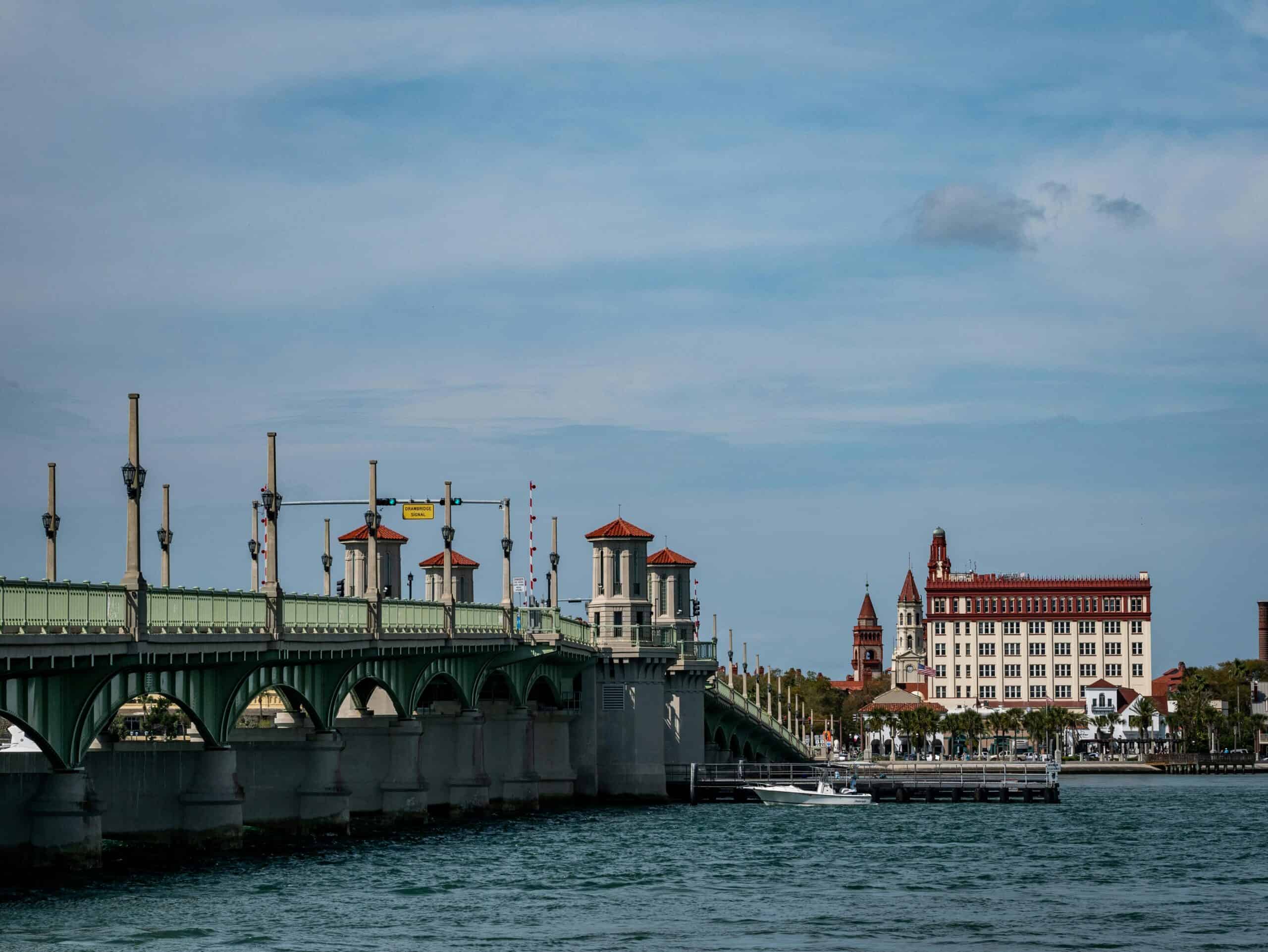
Is St. Augustine walkable? The historic district is very walkable — St. George Street, the Castillo, and most museums are within easy walking distance of each other. The beach and Anastasia Island require a short drive or bike ride across the Bridge of Lions.
Are there good ghost tours in St. Augustine? Yes — St. Augustine has some of the best ghost tours in the country. The Original Haunted History Tour is the most established. Golf cart ghost tours are great for groups. October weekends book up weeks in advance.
What are the best restaurants in St. Augustine? For local favorites: The Floridian for Southern fare, Columbia Restaurant for Spanish-Cuban cuisine, Lotus Noodle Bar for ramen, Llama for Peruvian, and La Nouvelle for French. Always make a reservation — especially for smaller restaurants in the historic district.