
Porto vs. Lisbon: Which Portuguese City Should You Visit?
This post may contain affiliate links. If you make a purchase through one of these links, I may earn a small commission at no additional cost to you.
If you are planning your first trip to Portugal, you may be trying to choose between Porto and Lisbon. Both cities have tiled buildings, hilly streets, excellent food and a beautiful waterfront, but they offer noticeably different experiences.
After visiting both Porto and Lisbon recently, I found Porto more relaxed, atmospheric and manageable. Lisbon has more major sights and the energy of a European capital, but it also felt much more crowded than I expected. Traffic was heavy, the sidewalks and viewpoints were busy, and getting from one area to another could take time.
My short answer is this: choose Porto for wine, river views and a more intimate city break. Choose Lisbon for iconic attractions, historic neighborhoods and a wider variety of things to do. If you have enough time, visit both, because they complement one another rather than feeling like two versions of the same city.
Porto vs. Lisbon at a Glance
| Choose Porto if you want… | Choose Lisbon if you want… |
|---|---|
| A smaller, more relaxed city | A lively European capital |
| Port wine lodges and tastings | Famous monuments and museums |
| A romantic riverside setting | Distinctive historic neighborhoods |
| A compact two- or three-day stay | Enough attractions for four or more days |
| Easier access to the Douro Valley | Easy day trips to Sintra and Cascais |
| Fewer crowds than Lisbon | More nightlife, restaurants and shopping |
Is Porto or Lisbon Better for First-Time Visitors?
Lisbon may be the better choice if this is your first trip to Portugal and you want to see the country’s most recognizable attractions. You can explore Alfama, Baixa and Chiado, visit the Belém Tower area, see the Jerónimos Monastery and take day trips to Sintra or Cascais.
However, Porto may be the better choice if you prefer a slower trip built around scenery, food and wine. The city feels more compact, and many of its most memorable experiences are concentrated around the Douro River, the Ribeira district and Vila Nova de Gaia.
I personally preferred the pace of Porto. Lisbon was interesting and undeniably beautiful, but it felt crowded and hectic during my recent visit. Porto gave me more opportunities to slow down, enjoy the views and experience the city without feeling as though I was constantly navigating around tour groups and traffic.
What Lisbon Is Really Like
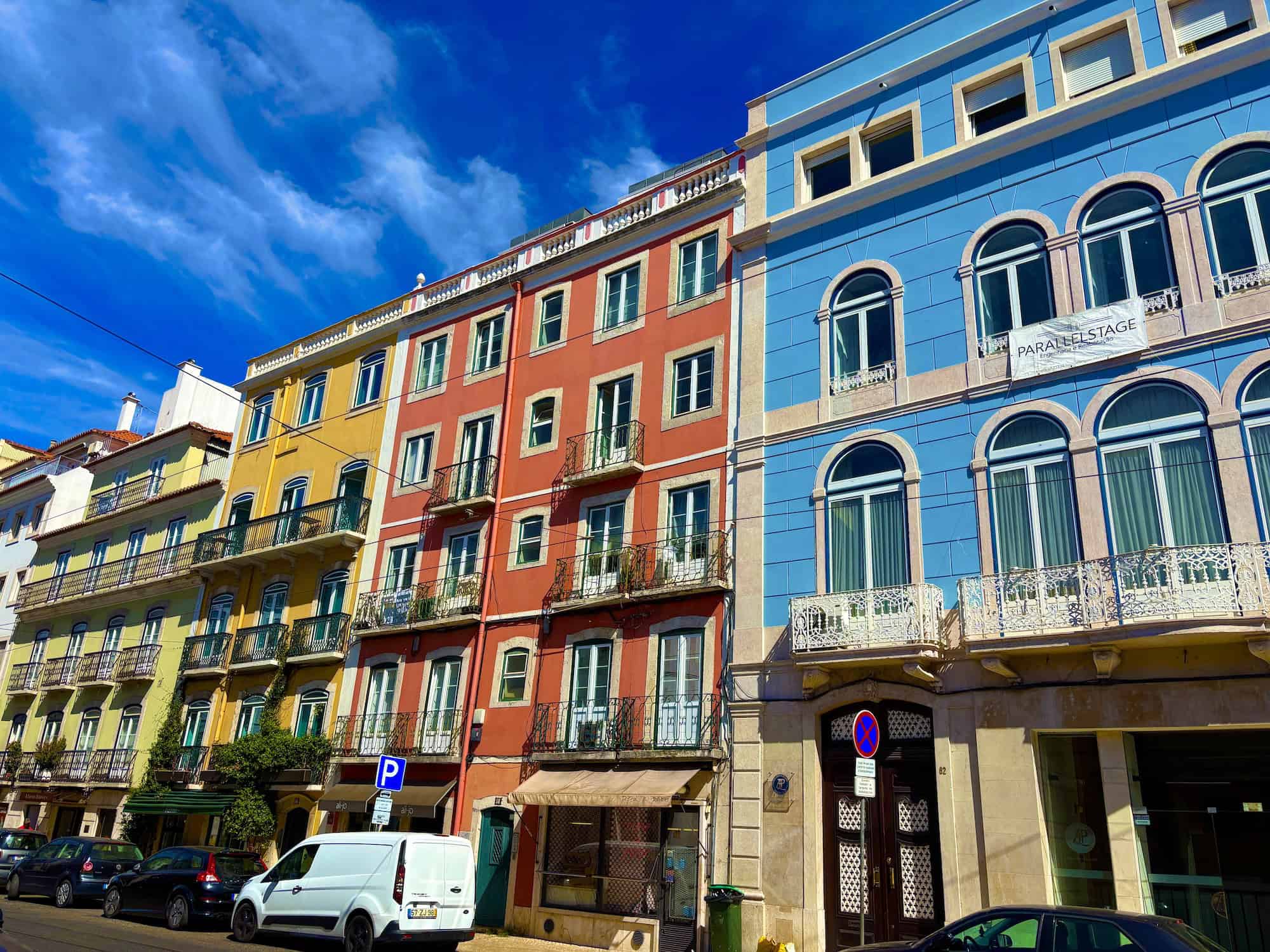
Lisbon is colorful, historic and full of dramatic viewpoints. It is also a busy capital city built across seven hills. Distances that look short on a map can involve steep climbs, uneven pavement and congested streets.
The crowds surprised me. Popular parts of Baixa, Chiado and Alfama were busy, and traffic made it difficult to cover much ground efficiently. Lisbon’s famous Tram 28 may look charming in photos, but it is often crowded and is not necessarily the easiest way to sightsee when you have limited time.
Why a Tuk-Tuk Tour Is the Best Way to See Lisbon
The best decision I made in Lisbon was taking a tuk-tuk tour. With the hills, narrow streets and heavy traffic, it was a much more practical way to get an overview of the city than trying to walk everywhere or relying on a large sightseeing bus.
A tuk-tuk can reach the older, tighter streets of neighborhoods such as Alfama, Mouraria and Graça, and a local guide can take you directly to scenic overlooks without requiring you to climb every hill. You will still encounter some traffic, but the smaller vehicle is far better suited to Lisbon’s historic streets. I recommend booking a private tour early in your stay so you can decide where you want to return later.
Book a private Lisbon tuk-tuk tour
For the most comfortable experience, choose a two- to four-hour tour that includes Alfama, Graça, Baixa, Chiado and at least one miradouro, or viewpoint. If Belém is important to you, check the itinerary carefully because it is west of the historic center and is not included in every city tour.
What Porto Is Really Like
Porto also has hills and cobblestone streets, but it feels smaller and more intimate than Lisbon. The Douro River gives the city a natural focal point. On one side is Porto’s Ribeira district, with its colorful buildings, cafés and riverfront promenade. Across the Dom Luís I Bridge is Vila Nova de Gaia, home to the historic port wine lodges.
Porto is not undiscovered, and Ribeira can certainly become busy. Still, I found the city easier to absorb. You can spend the morning seeing São Bento Station, Porto Cathedral and the streets around Ribeira, then cross the river for a port tasting and a leisurely drink with a view.
My Visit to Graham’s Port Lodge
One of the highlights of my recent Porto visit was Graham’s Port Lodge in Vila Nova de Gaia. Graham’s has aged its wines at the 1890 Lodge for more than a century. A guided visit includes the working lodge, museum and bottle cellar, followed by a tutored port tasting. Some experiences also include food pairings.
The setting is part of what makes the visit special. The lodge sits above the river and has a wonderful view across the Douro toward Porto. It is uphill from the Gaia waterfront, so I recommend taking a taxi or Uber if you do not want a steep walk. Allow time after the tour to enjoy another glass of port and the view rather than rushing back into the city.
Reserve a tasting at Graham’s 1890 Lodge
If you have a full extra day, Porto is also the natural starting point for the Douro Valley. A guided day trip usually combines vineyard visits, wine tastings, lunch and a short river cruise, allowing you to enjoy the landscape without driving.
Book a Douro Valley wine tour with lunch and a river cruise
Compare Douro Valley tours from Porto
Porto vs. Lisbon for Food and Wine
Both cities are excellent for travelers who plan their days around meals, but Porto has the advantage for wine lovers. Port wine is woven into the landscape and history of the city, and you can walk or take a quick ride to multiple lodges in Vila Nova de Gaia. Porto is also the gateway to the vineyards of the Douro Valley.
Lisbon has a larger and more varied restaurant scene, along with food halls, bakeries and neighborhood cafés. Time Out Market is convenient if you want to sample several Lisbon restaurants in one place, although it can be extremely crowded. I actually visited Mercado de Campo de Ourique. It’s smaller, more relaxed and more local-feeling with food stalls, wine and traditional market vendors. It’s a good alternative if you want to avoid the crowds at Time Out Market.
Browse Porto food and wine tours
Which City Has Better Day Trips?
Lisbon offers the greater variety of day trips. Sintra is the most popular, with its colorful palaces and wooded hills, while Cascais offers beaches and a relaxed coastal setting. Because Sintra attracts large crowds, an organized tour with timed entrances can be easier than planning each connection independently.
Book a Sintra and Cascais day trip from Lisbon
Porto’s signature day trip is the Douro Valley. It is a better fit for travelers interested in wine, scenery and a long, leisurely lunch than for those trying to check off multiple monuments. From Porto, you can also visit Braga, Guimarães or the canals of Aveiro.
Where to Stay in Porto
For a first visit to Porto, I recommend staying in Ribeira or Baixa. Ribeira places you directly on the Douro River, while Baixa is better for reaching restaurants, shops, São Bento Station and other central attractions. Vila Nova de Gaia is another excellent option if port wine tastings and river views are your priorities.
Pestana Vintage Porto is one of the best choices for travelers who want to stay directly on the river. The hotel occupies a group of historic buildings on Ribeira Square, placing you within steps of waterfront restaurants, sightseeing cruises and the Dom Luís I Bridge. Choose it for atmosphere, walkability and rooms overlooking the Douro, but expect the surrounding area to be lively during the day.
Hotel Carris Porto Ribeira offers a central Ribeira location at a more approachable price than many of the neighborhood’s luxury hotels. It is housed in a restored historic building close to the river, Palácio da Bolsa and São Francisco Church. This is a strong choice for travelers who want character and convenience without paying primarily for resort-style amenities.
Torel Avantgarde is a stylish boutique hotel overlooking the Douro from a quieter location west of the busiest part of Ribeira. Its artistic interiors, outdoor pool and river views make it particularly appealing for couples. The setting is peaceful, although reaching the waterfront and historic center involves hills, so it is better for travelers who do not mind walking or using an occasional taxi.
Pestana Porto – A Brasileira works well for travelers who want to stay in Baixa rather than directly on the river. Built around Porto’s historic A Brasileira café, the hotel is close to São Bento Station, Rua de Santa Catarina and Avenida dos Aliados. Its location makes it easy to explore the historic center while avoiding some of the congestion around Ribeira Square.
The Yeatman is the luxury choice for wine lovers. Located across the river in Vila Nova de Gaia, it offers panoramic views of Porto, a wine-focused spa, an outdoor pool and one of the city’s most celebrated restaurants. It is not the most convenient option for walking out the door and immediately exploring Porto’s historic center, but it is ideal for a romantic stay built around wine, views and relaxation.
Where to Stay in Lisbon
For a first visit to Lisbon, Baixa and Chiado are the most convenient areas because they provide relatively easy access to restaurants, shopping and many of the city’s major sights. Príncipe Real is a better choice for boutique hotels and a quieter atmosphere, while Alfama offers historic character but comes with steep streets, limited direct metro access and difficult vehicle access in some areas.
Hotel da Baixa is one of the strongest all-around choices for a first trip to Lisbon. It sits between Rossio Square and Praça do Comércio, making it easy to walk to Chiado, the Santa Justa area and the riverfront. The location is extremely convenient, particularly if you want to reduce the amount of time spent navigating Lisbon’s traffic and hills.
Corpo Santo Lisbon Historical Hotel is a polished boutique hotel near the river, Cais do Sodré and Chiado. It offers a central location without placing guests directly in the busiest part of Baixa. This is an especially good choice for travelers who value attentive service, comfortable rooms and easy access to restaurants and the waterfront.
Pousada Alfama is best for travelers who want to wake up in Lisbon’s oldest and most atmospheric neighborhood. The hotel offers views over the Tagus and places you near the Fado Museum, Lisbon Cathedral and Alfama’s narrow lanes. The tradeoff is that the neighborhood is steep, so it is not the most practical option for anyone with mobility concerns or heavy luggage.
Memmo Príncipe Real is a sophisticated boutique hotel overlooking the city from one of Lisbon’s most appealing neighborhoods. Its pool, terrace and panoramic views create a calmer retreat from the crowded historic center. Príncipe Real is filled with restaurants, shops and cafés, although the hotel’s hillside setting means you will probably use taxis or rideshares for some sightseeing.
Browns Central Hotel is a good moderately priced option in Baixa. The hotel is close to Rossio, the Santa Justa Lift and Praça do Comércio, with numerous restaurants and transportation connections nearby. Rooms can be compact, but the location is hard to beat for travelers who plan to spend most of the day exploring.
Check Lisbon hotel rates and availability
How Many Days Do You Need in Porto and Lisbon?
Plan at least two full days in Porto, or three if you want to visit the Douro Valley. Porto works particularly well for a long weekend because its essential sights are relatively concentrated.
Give Lisbon at least three full days, and preferably four or five if you want to visit both Belém and Sintra. Trying to see Lisbon in one or two days can feel rushed, especially when crowds and traffic slow you down.
If you want to visit both cities, allow at least seven nights: three nights in Porto and four in Lisbon. Add another night if you want to include both the Douro Valley and Sintra.
Porto or Lisbon: My Final Verdict
Lisbon has more famous attractions and more variety, so it makes sense for travelers who want a busy itinerary and the energy of a capital city. A private tuk-tuk tour is the best way to begin. It helps you navigate the hills and historic streets, especially when traffic is heavy and the most popular neighborhoods are crowded.
Porto was the city I found easier to enjoy. The riverfront setting, slower rhythm and connection to port wine made it feel more distinctive and relaxing. My visit to Graham’s Port Lodge, followed by time to take in the view over the Douro, captured exactly what I liked about Porto: the experience was not just about seeing another attraction. It gave me a sense of place.
Choose Lisbon if you want monuments, neighborhoods, nightlife and day-trip options. Choose Porto if you want wine, river views and a more relaxed city break. If your itinerary allows, visit both, but do not treat Porto as merely a shorter add-on to Lisbon. It deserves a trip of its own.
Frequently Asked Questions About Porto vs. Lisbon
Is Porto better than Lisbon? Porto is better for travelers who prefer a smaller city, port wine experiences, river views and a more relaxed pace. Lisbon is better for travelers who want major historic attractions, nightlife and a wider selection of day trips.
Is Porto less crowded than Lisbon? Porto still attracts many visitors, particularly around Ribeira and the Dom Luís I Bridge, but I found it less overwhelming than Lisbon. Lisbon’s most popular neighborhoods, trams and viewpoints can become very crowded.
Is Porto or Lisbon more walkable? Porto is more compact, but both cities are hilly and have cobblestone streets. Lisbon covers a larger area, making public transportation or a tuk-tuk tour especially helpful. Comfortable, supportive shoes are essential in either city.
Is Porto or Lisbon better for wine lovers? Porto is the clear choice. You can visit the port lodges in Vila Nova de Gaia and take an easy day trip to the Douro Valley. Lisbon has excellent wine bars and food tours, but wine is not as central to the city experience.
Can you visit Porto and Lisbon on the same trip? Yes. Direct trains make it easy to combine them. Allow at least two full days in Porto and three in Lisbon, with extra days for the Douro Valley or Sintra.
Which city is more expensive, Porto or Lisbon? Lisbon is generally the more expensive of the two, particularly for centrally located hotels. Prices vary by season, and both cities cost more during peak summer and major events.