
Burgundy vs. Bordeaux: Which French Wine Region Should You Visit?
This post contains affiliate links. If you book through my links, I may earn a small commission at no extra cost to you.
If you are planning a wine trip to France, Burgundy vs. Bordeaux is one of the first decisions you will need to make. Both regions have legendary wines, beautiful vineyards and centuries of history, but they offer very different trips.
Here is my short answer: Choose Burgundy for a slower, more intimate trip centered on small villages, food and a strong sense of place. Choose Bordeaux if you want an elegant city base, grand wine estates and easy guided day trips into several famous appellations.
I have experienced Burgundy from several angles, including a barge cruise and a cooking school. I also spent a couple of days in Bordeaux during a cruise, explored the city and visited both the Médoc and Saint-Émilion wine regions. I enjoyed both, but Burgundy is the one I would choose again.
That does not automatically make Burgundy right for everyone. The best choice depends on how you like to travel, which wines you prefer and whether you want your trip to feel rural and immersive or polished and varied.
Burgundy vs. Bordeaux at a Glance
| Choose Burgundy if you want… | Choose Bordeaux if you want… |
|---|---|
| Small villages and intimate wineries | A beautiful city plus vineyard day trips |
| Pinot Noir and Chardonnay | Cabernet- and Merlot-based blends |
| Food, markets and cooking experiences | Grand châteaux and structured tastings |
| A slower, quieter pace | More hotels, restaurants and nightlife |
| A barge cruise or scenic road trip | An easy trip without renting a car |
My personal choice: Burgundy. It feels more intimate, more connected to the land and, for me, more memorable.
Compare Burgundy hotels for your travel dates
Compare Bordeaux hotels for your travel dates

The Biggest Difference Between Burgundy and Bordeaux
The simplest distinction is scale.
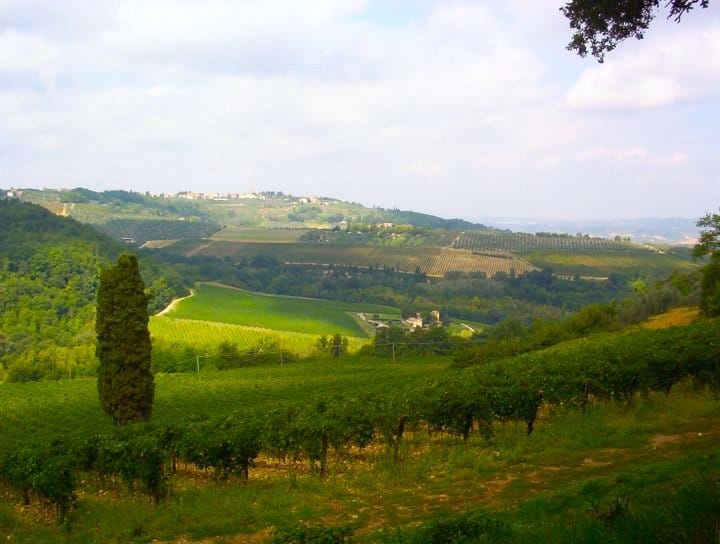
Burgundy feels like a collection of villages, vineyards and family stories. The landscape invites you to slow down. You may taste in a centuries-old cellar, have lunch in a small town and spend the afternoon following the Route des Grands Crus through villages whose names you recognize from wine labels.
Bordeaux feels more expansive and formal. Bordeaux itself is a handsome, lively city with graceful architecture, restaurants, wine bars and the Cité du Vin. Beyond it, large estates spread across the Médoc, while the Right Bank leads to Saint-Émilion and its surrounding vineyards.
In practical terms, Burgundy is usually more immersive but requires more planning. Bordeaux is easier to use as a city base, especially if you prefer to take organized tours and avoid driving after wine tastings.
Why I Prefer Burgundy
My preference for Burgundy is not simply about the wine. It is about the way the region feels.
On my Burgundy barge cruise, the landscape unfolded slowly rather than appearing through a bus window. We moved along quiet waterways, passing vineyards, small towns and pastoral countryside. Barge travel encourages the exact pace at which Burgundy is best experienced: unhurried, close to the landscape and with plenty of time for meals and wine.
I also visited Burgundy on a cruise and experienced the region through its food at a cooking school. That class brought Burgundy into focus in a different way. The food here is not an accessory to the wine. Dishes such as boeuf bourguignon, gougères and coq au vin are part of the same regional identity, and cooking in Burgundy made the destination feel more personal than simply moving from one tasting to another.
Burgundy also rewards curiosity. Its vineyards can be complicated, and the wineries are often smaller and less theatrical than Bordeaux’s famous châteaux. Yet that intimacy is precisely what I love. Burgundy feels less like visiting a collection of impressive estates and more like getting to know a place.
What a Burgundy Wine Trip Is Like
Most first-time visitors base themselves in Beaune, the region’s wine capital. Beaune is compact, attractive and filled with wine shops, restaurants and tasting cellars. Its most recognizable landmark is the Hôtel-Dieu, or Hospices de Beaune, with its colorful tiled roof.
From Beaune, you can explore the Côte de Nuits to the north and the Côte de Beaune to the south. Villages such as Gevrey-Chambertin, Nuits-Saint-Georges, Meursault and Pommard make the labels in your wine collection feel suddenly tangible.
Burgundy is best known for Pinot Noir and Chardonnay. Instead of Bordeaux’s château-based system, Burgundy is intensely focused on terroir: small vineyard parcels, or climats, whose soil and location can produce strikingly different wines even when they sit close together.
For most travelers, three or four nights is a good introduction. Stay longer if you want a cooking class, a full-day wine tour and time to wander Beaune without rushing.
Where to Stay in Burgundy
Hôtel Le Cep in Beaune: A romantic, upscale choice in the historic center with traditional Burgundian character and a spa. It is a strong option if you want to walk to restaurants and tasting rooms. Check prices and availability at Hôtel Le Cep.
L’Hôtel de Beaune: A polished boutique stay in the center of Beaune, ideal for travelers who value design, service and an excellent location. Check prices and availability at L’Hôtel de Beaune.
Hostellerie de Levernois: Choose this elegant country property just outside Beaune if you want gardens, quiet and a destination-hotel atmosphere. A car or transfers make the location easier. Check prices and availability at Hostellerie de Levernois.
Burgundy Experiences Worth Booking
A small-group wine tour is the easiest way to understand the region’s appellations without driving. Look for one that includes several villages and both red and white wines rather than a single tasting room.
Compare Burgundy wine tours from Beaune
Find Burgundy cooking classes and food experiences
Browse Burgundy day trips and experiences
If you do rent a car, reserve an automatic early. They are less common and can be significantly more expensive when booked close to the trip. Compare rental-car rates in Burgundy.
What a Bordeaux Wine Trip Is Like
Bordeaux offers more variety in one trip. You can spend a morning walking along the Garonne, have lunch in the city, visit the Cité du Vin and devote separate days to the Left Bank and Right Bank wine regions.
During my cruise, I spent a couple of days in and around Bordeaux. The city is far more than a gateway to the vineyards. Its pale stone buildings, broad riverfront and abundance of restaurants make it a destination in its own right.
The Médoc gave me the classic image many travelers have of Bordeaux: prestigious estates, imposing châteaux and Cabernet Sauvignon-led wines. It feels grand and established, and the distances between estates make a guided tour the most relaxing option.
Saint-Émilion was a very different experience and my favorite part of the Bordeaux wine region. The medieval village is wonderfully quaint, with golden-stone buildings, narrow cobbled lanes and views across the vineyards. It is compact enough to explore on foot, although its steep and uneven streets call for sensible shoes.
You can take the train from Bordeaux to Saint-Émilion, but the station sits outside the village and winery appointments require planning. If you want to visit more than one château, a guided tour from Bordeaux is much easier.
Bordeaux Wine: Left Bank or Right Bank?
If you are new to Bordeaux, this choice matters almost as much as Burgundy vs. Bordeaux.
The Left Bank, including the Médoc, is known for Cabernet Sauvignon-dominant blends. The experience often centers on stately châteaux and renowned appellations such as Margaux, Pauillac and Saint-Julien.
The Right Bank, including Saint-Émilion and Pomerol, is more closely associated with Merlot-led blends. Saint-Émilion also provides the charming village experience that the Médoc lacks.
If you have only one wine-touring day, I would choose Saint-Émilion because it combines wine tasting with a genuinely lovely place to explore. If celebrated Cabernet-based wines and grand estates are your priority, choose the Médoc.

Where to Stay in Bordeaux and Saint-Émilion
InterContinental Bordeaux – Le Grand Hôtel: This is the splurge choice in the heart of Bordeaux, facing the Grand Théâtre. It works well for a special trip when location and old-world glamour matter. Check prices and availability at the InterContinental Bordeaux.
Hôtel de Sèze: A stylish central hotel that places restaurants, shopping and major sights within easy walking distance. Check prices and availability at Hôtel de Sèze.
Château Hôtel Grand Barrail: Stay here if you would rather wake up among the vineyards near Saint-Émilion than commute from Bordeaux. The château setting, spa and pool make it a destination in itself. Check prices and availability at Château Hôtel Grand Barrail.
Hôtel de Pavie: This intimate luxury hotel sits in the heart of Saint-Émilion and is the best fit if your dream is to stay inside the medieval village. Check prices and availability at Hôtel de Pavie.
See more hotels in Bordeaux
Compare hotels in Saint-Émilion
Bordeaux Experiences Worth Booking
Do not try to tour the Médoc and Saint-Émilion properly in the same day. Choose one region and give it time. A small-group tour with hotel or central Bordeaux pickup is usually worth the cost because winery visits are appointment-based and the appellations are spread out.
Compare Saint-Émilion wine tours from Bordeaux
Compare Médoc wine tours from Bordeaux
Browse Bordeaux food and wine experiences
Is Burgundy or Bordeaux Better Without a Car?
Bordeaux is the easier choice without a car. The city has a strong tram system, and numerous guided tours leave from central meeting points for the Médoc and Saint-Émilion. You can also reach Saint-Émilion by regional train if you mainly want to explore the village.
Burgundy can be done without driving if you stay in Beaune and book guided excursions, but a car gives you more freedom to visit smaller villages. A barge cruise is an excellent car-free alternative because lodging, transportation, meals and excursions are combined into one experience.
Which Region Is Better for Food Lovers?
Both are excellent, but I give Burgundy the edge.
Bordeaux has sophisticated restaurants, energetic markets, excellent wine bars and the small caramelized canelé that is synonymous with the city. Burgundy’s food feels more inseparable from the region itself. Its rich, comforting dishes, cheeses, mustard, market culture and cooking traditions turn the trip into more than a wine itinerary.
My cooking-school experience is one reason Burgundy remains so vivid to me. If you plan trips around what you will eat as much as what you will see, Burgundy is especially satisfying.
Burgundy or Bordeaux for First-Time Visitors?
Choose Bordeaux for your first French wine trip if you want simple logistics, a lively city and an easy mix of sightseeing and organized wine tours. It also suits groups whose members do not all want to spend every day focused on wine.
Choose Burgundy if atmosphere matters more to you than convenience. It is the better fit for couples, food lovers, repeat visitors to France and travelers who enjoy small towns and a slower pace.
Wine preference can settle the question quickly. Pinot Noir and Chardonnay lovers should go to Burgundy. Travelers drawn to Cabernet Sauvignon, Merlot and structured red blends should choose Bordeaux.
My Final Verdict: Burgundy or Bordeaux?
Bordeaux is impressive, accessible and easy to build into a broader trip through France. The city gives you plenty to do between tastings, the Médoc delivers the grand château experience, and quaint Saint-Émilion is worth visiting even if you are only casually interested in wine.
But Burgundy is the region I would return to first. My barge cruise showed me its quiet landscapes, my cruise visit gave me another glimpse of its villages and vineyards, and my cooking-school experience connected the food to the place. Burgundy feels intimate in a way Bordeaux does not, and that intimacy is what stays with me.
If you want a French wine trip that is easy, varied and polished, book Bordeaux. If you want to slow down and experience wine, food and village life as one connected story, book Burgundy.
Start by comparing hotels in Beaune
Start by comparing hotels in Bordeaux
Frequently Asked Questions
Is Burgundy or Bordeaux more beautiful?
Burgundy is more scenic if you love intimate villages, rolling vineyards and quiet country roads. Bordeaux offers more architectural grandeur, both in the city and at its famous châteaux. Saint-Émilion provides the storybook village atmosphere many travelers expect from rural France.
How many days do you need in Burgundy?
Plan at least three nights in or near Beaune. Four or five nights gives you time for a full-day wine tour, a cooking or food experience and an unhurried day exploring the town and nearby villages.
How many days do you need in Bordeaux?
Three nights is the minimum for a city day and one vineyard excursion. Four or five nights is better if you want separate tours of Saint-Émilion and the Médoc.
Is Saint-Émilion worth visiting if you do not drink wine?
Yes. Saint-Émilion is one of the most charming towns in the Bordeaux region, with medieval architecture, vineyard views, cafés and atmospheric lanes. Be prepared for steep cobblestones.
Can you combine Burgundy and Bordeaux in one trip?
You can, but the regions are not close enough to treat as neighboring stops. Allow at least a week and preferably longer so the trip does not become a string of travel days. For a shorter vacation, choose one region and experience it properly.