
14 Best Cooking Classes in Italy: Compared by Destination
This post contains affiliate links. If you click a link and make a purchase, I may earn a small commission at no extra cost to you. I only recommend properties and experiences I genuinely believe in and would recommend to friends.
Taking a cooking class in Italy can mean rolling tortellini with a home cook in Bologna, shopping for ingredients in a Florence market, making pizza in Naples or spending an afternoon cooking in a Tuscan farmhouse. The best choice depends on where you’re going and whether you want to master a particular dish or simply enjoy a memorable meal.
I’ve planned many of my own trips to Italy around food experiences, including one of my favorite cooking classes in Capri. My advice is to choose the destination first, then book a class that teaches the food that actually belongs there.
If you only take one cooking class in Italy, I recommend Bologna for serious pasta-making, Tuscany for the most immersive experience or Naples for an affordable and distinctly local class.

The Best Cooking Classes in Italy at a Glance
| Destination | Best for | What you’ll typically make | Duration | Typical price |
|---|---|---|---|---|
| Bologna | Serious pasta lovers | Tagliatelle, tortelloni and ragù | 2–4 hours | $70–$160 |
| Florence | First-time visitors | Pasta, tiramisu and seasonal Tuscan dishes | 3–5 hours | $60–$200 |
| Tuscany | A countryside experience | Pasta, bruschetta, roasted meats and tiramisu | 3–7 hours | $120–$250 |
| Rome | A convenient city class | Fettuccine, ravioli, carbonara and tiramisu | 2–4 hours | $50–$150 |
| Naples | Pizza lovers and families | Neapolitan pizza, sometimes tiramisu or gelato | 2–3 hours | $45–$95 |
| Amalfi Coast | Couples and special occasions | Pasta, ravioli, local vegetables and lemon desserts | 3–5 hours | $100–$250 |
| Sicily | Markets and regional cooking | Pasta, arancini, caponata, seafood and cannoli | 3–5 hours | $100–$225 |
Prices vary by date, season, class size and whether transportation, alcohol or a market visit is included.
My quick recommendations
- Best overall: Bologna pasta-making class
- Best full-day experience: Tuscan farmhouse class
- Best for first-time visitors: Florence market and cooking class
- Best value: Naples pizza-making class
- Best romantic experience: Private Amalfi Coast or Capri class
- Best market experience: Palermo or Ortigia in Sicily
- Best class to recreate at home: Rome pasta and tiramisu class
Compare cooking classes throughout Italy
Best Cooking Classes in Bologna for Traditional Pasta
Bologna is my first choice for travelers who genuinely want to learn how to make pasta. This is the home of tagliatelle al ragù, tortellini and tortelloni, and the classes tend to place more emphasis on dough, rolling and shaping than classes in Italy’s busiest tourist cities.

Best overall: Bologna pasta, ragù, wine and gelato class
This social small-group class begins with local snacks and wine before participants make tagliatelle and ragù. It is approachable enough for beginners but still teaches useful pasta-making technique.
- Duration: Approximately three hours
- Typical price: From about $70
- What you make: Tagliatelle, ragù and gelato
- Best for: First-time pasta makers, couples and social travelers
- Important: The operator states that it may not be appropriate for children or travelers with certain dietary restrictions
Book the Bologna pasta, ragù, wine and gelato class
Best traditional option: Tagliatelle and ragù in a local home
Choose this class if you prefer a more intimate home-kitchen experience. Depending on the menu, participants may make tagliatelle, tortelloni or ravioli before sitting down to eat with wine.
- Duration: Approximately 3½ hours
- Typical price: From about $88
- What you make: Several fresh pasta shapes and ragù
- Best for: Travelers who value local interaction and traditional technique
Book the Bologna home cooking class
My verdict: Bologna is the best destination in Italy for travelers who care more about mastering pasta than taking photographs of it.
This is the town for an all-day food tour
Bologna is the region where you’ll really want to sample all the local delicacies.
Check out these highly rated food tours
Where to stay in Bologna
Hotel Corona d’Oro is my pick for food-focused travelers because it’s inside Bologna’s historic center, within walking distance of the Quadrilatero food market and many cooking-class meeting points.
Check rates at Hotel Corona d’Oro
Prefer another price point or location? Where you stay here matters more than you might think, because Bologna is a city you’ll want to experience on foot, especially after a long lunch or cooking class.
Compare other hotels in Bologna
Best Cooking Classes in Florence
Florence offers the widest selection of accessible cooking classes, including short pasta workshops, market visits and full-day excursions into the countryside. It is particularly convenient for first-time visitors who want to combine a cooking experience with a traditional Florence itinerary.
Best for first-time visitors: Florence market and cooking class
The strongest Florence classes begin at a food market before moving into the kitchen. This gives you context for the ingredients as well as practical cooking instruction.
- Duration: Approximately five hours
- Typical price: From about $65
- What you make: Lasagna or pasta, ragù and tiramisu
- Best for: First-time visitors and travelers who want a market experience
- Good to know: Confirm that your selected departure includes the market visit
Book the Florence market and cooking class
Best short class: Pasta and tiramisu in central Florence
This is the better choice when you want a hands-on experience without giving up most of a sightseeing day.
- Duration: Approximately 2½–3 hours
- Typical price: From about $45–$75
- What you make: Fresh pasta and tiramisu
- Best for: Short stays, couples and beginners
Book a Florence pasta and tiramisu class
My verdict: Choose Florence when convenience matters most. Choose Bologna if pasta technique is your primary reason for booking.
If you want to make pasta or cook a Tuscan meal, compare the best cooking classes in Florence.
Where to stay in Florence
Florence is compact, which makes choosing the right hotel more about the feel of your stay than the exact location.
Hotel Brunelleschi is where I’d stay if you want something elevated and memorable. It’s set inside a restored medieval tower with views of the Duomo, and the atmosphere feels distinctly Florentine without being over the top.
Check availability at this hidden gem
See what other hotels may be available in Florence
Best Cooking Classes in Tuscany
A Tuscany cooking class is about the setting as much as the recipes. Many take place at farmhouses or wine estates and include transportation from Florence, a market stop, lunch and local wine.
Do not confuse a central Florence cooking class with a Tuscany countryside class. The latter generally takes longer and costs more, but it delivers the immersive experience many travelers imagine when planning a culinary trip to Italy.
Want to visit Tuscany but don’t want to rent a car? Check out my car-free Tuscany guide.
Best immersive experience: Tuscan farmhouse cooking class
This popular full-day class begins with ingredient shopping in Florence before continuing to a farmhouse outside the city. Participants prepare a complete meal and eat it with Tuscan wine.
- Duration: Approximately seven hours
- Typical price: From about $140
- What you make: Bruschetta, pasta, a traditional main course and tiramisu
- Best for: Travelers with a full day available and anyone who wants a countryside experience
- Transportation: Included from the designated Florence meeting point
Book the Tuscan farmhouse cooking class
Best for wine lovers: Chianti cooking class and wine tasting
A smaller Chianti class is a better fit if you want the vineyard setting and wine pairing without a large market-tour group.
- Duration: Approximately 3–5 hours
- Typical price: From about $160
- What you make: Varies seasonally but typically includes pasta and a Tuscan main course
- Best for: Couples, wine lovers and repeat visitors
Book a Chianti cooking class with wine tasting
My verdict: Tuscany delivers the most memorable setting, but it is not necessarily where you’ll receive the most technical pasta instruction.
Where to Stay in Tuscany
Where you stay in Tuscany completely shapes the experience, because unlike cities, your hotel or villa becomes part of the destination.
Borgo San Felice – A beautifully restored medieval village turned luxury wine resort with exceptional dining and vineyard scenery.
This is one of Tuscany’s most popular stays
Planning a longer stay? See my guide to Tuscany farm stays.
If you want to cook where you stay, compare Tuscany farm stays with cooking classes.
Best Cooking Classes in Rome
Rome has hundreds of cooking classes, but many cover the same combination of pasta and tiramisu. Look for a small class with a clearly defined menu rather than choosing solely by price.
Best value: Rome pasta and tiramisu class
This class teaches two types of fresh pasta and tiramisu, followed by a meal with wine. It is easy to fit into a standard Rome itinerary.
- Duration: Approximately three hours
- Typical price: From about $60
- What you make: Fettuccine, ravioli and tiramisu
- Best for: Beginners, couples and travelers with limited time
Book the Rome pasta and tiramisu class
Best for food-focused travelers: Rome market and cooking class
Choose a market-based class if you want more context about Roman ingredients and cuisine. These experiences are generally longer and more expensive than the standard pasta workshops.
- Duration: Approximately 4–5 hours
- Typical price: From about $100–$200
- What you make: Menu varies with the season
- Best for: Repeat visitors and travelers who want more than a basic pasta lesson
Book a Rome market and cooking class
My verdict: Rome is convenient and beginner-friendly, but verify the menu carefully. Many classes teach generic Italian dishes rather than distinctly Roman cooking.
You can also read my guide to the best food tours in Rome.
Where to stay in Rome
Rome can feel overwhelming if you’re not in the right location, especially when you’re trying to fit in food experiences between everything else. Staying somewhere that makes the city feel manageable makes a huge difference.
Rose Garden Palace
This is the hotel I come back to again and again. It’s just outside the busiest tourist areas, which means you get a quieter, more relaxed stay, but you’re still close enough to reach Rome’s best food neighborhoods easily. The courtyard breakfast and small wellness area make it feel like a retreat between meals.
See if the Rose Garden Palace is available for your dates

See what other hotels are available in Rome for your dates
Best Pizza-Making Classes in Naples
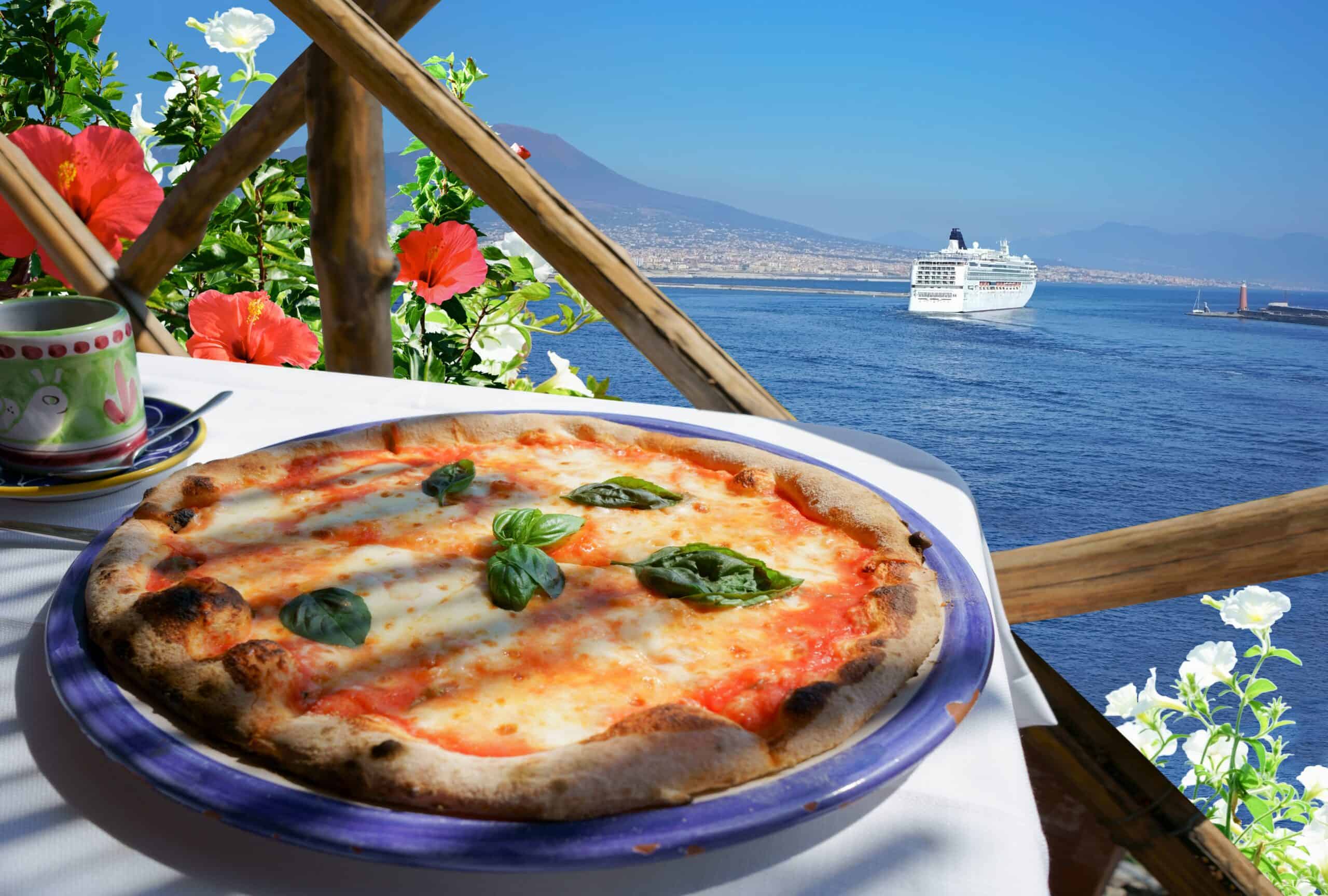
Naples belongs in any comparison of Italy cooking classes. It is the birthplace of pizza and one of the least expensive places to book a hands-on culinary experience.
Best overall: Authentic Naples pizza-making class
In this highly reviewed class, participants prepare dough, sauce and their own Neapolitan pizza with guidance from a local pizzaiolo. Appetizers and a drink are included.
- Duration: Approximately two hours
- Typical price: From about $46
- What you make: Neapolitan pizza
- Best for: Families, pizza lovers and budget-conscious travelers
- Reviews: More than 3,500 at the time of this update
Book the authentic Naples pizza-making class
Best for families: Pizza and gelato class
This variation combines pizza-making with another Italian favorite and offers more hands-on variety for children and teenagers.
- Duration: Approximately 2–3 hours
- Typical price: From about $60–$90
- What you make: Neapolitan pizza and gelato
- Best for: Families and travelers who prefer a relaxed class
Book the Naples pizza and gelato class
My verdict: Naples offers the best combination of regional authenticity, fun and price. It is also the easiest recommendation for families.
Staying overnight? Compare hotels in Naples’ historic center.
Best Cooking Classes on the Amalfi Coast and Capri
The Amalfi Coast is the place to splurge on a smaller or private class. Look for experiences held in a home, garden or restaurant kitchen rather than a high-volume class created primarily for day-trippers.
The ingredients are the reason to cook here: local lemons, tomatoes, olive oil, seafood and fresh cheese. The setting can also turn a simple cooking lesson into one of the most memorable experiences of the trip.


Best special-occasion class: Cooking and wine pairing in Capri
I took a cooking class in Capri, and it remains one of my favorite travel experiences anywhere. This private class teaches four traditional dishes and pairs the finished meal with local wine.
- Duration: Approximately three hours
- Typical price: From about $200
- What you make: Caprese salad, ravioli, eggplant parmesan and lemon cake
- Best for: Couples, private groups and special occasions
- Dietary note: The advertised menu is vegetarian
Book the Capri cooking class and wine pairing
Best mainland option: Amalfi Coast cooking class with a local chef
This is the better choice if you are staying in Positano, Amalfi, Ravello or another mainland town and do not want to travel to Capri.
- Duration: Approximately 3–5 hours
- Typical price: From about $100–$200
- What you make: Usually fresh pasta, a seasonal vegetable dish and a local dessert
- Best for: Couples and travelers who want a smaller class with coastal views
Compare small-group cooking classes on the Amalfi Coast
My verdict: Book here for atmosphere and personal attention rather than the lowest price or most advanced instruction.
Where to stay on the Amalfi Coast
Where you stay on the Amalfi Coast shapes your entire trip, especially here, where logistics can either feel effortless or exhausting depending on your base.
Le Sirenuse in Positano is the iconic choice for a reason. The views, terraces and atmosphere all feel like the version of the Amalfi Coast people imagine before they arrive. If you want something memorable and are willing to splurge, this is where I’d look first.
See if your dates are still available for this iconic hotel
Prefer another town or price point? Compare other hotels on the Amalfi Coast
If you are choosing a coastal stop, read my comparison of the Amalfi Coast vs. Cinque Terre.
Best Cooking Classes in Sicily
Sicilian cooking is distinct enough to justify its own culinary trip. Classes may include caponata, arancini, handmade pasta, seafood, cannoli and recipes influenced by the island’s Arab, Greek and Spanish history.
A market visit adds particular value in Palermo or Ortigia because it introduces ingredients you may not encounter in a standard mainland class.
Best market experience: Palermo market and home cooking class
This private experience combines a Palermo market visit with cooking in a local home. Participants prepare three regional dishes before eating together.
- Duration: Approximately 4½ hours
- Typical price: From about $135
- What you make: Three seasonal Palermo dishes
- Best for: Serious food travelers and anyone seeking a private experience
Book the Palermo market and home cooking class
Best approachable option: Sicilian cooking class in Taormina
A Taormina class is generally easier to incorporate into a sightseeing itinerary and may cost considerably less than a private Palermo market experience.
- Duration: Approximately four hours
- Typical price: From about $120
- What you make: Seasonal Sicilian appetizers, pasta or a main course and dessert
- Best for: First-time visitors to Sicily and travelers based in Taormina
Book a Sicilian cooking class in Taormina
My verdict: Sicily is the best choice for travelers who want to explore a regional cuisine that feels noticeably different from what they have eaten elsewhere in Italy.

Where to stay in Sicily
Sicily is bigger than most people expect, so where you base yourself matters. The right location can make the trip feel easy. The wrong one can turn it into a lot of time in transit.
Hotel Villa Schuler in Taormina is a completely different experience, more elevated, more classic, and right in the middle of town. The views of Mount Etna and the Ionian Sea are part of the experience, and it works well if you want a base that feels both scenic and convenient.
See rates and rooms for your trip
Prefer another location? Check out other hotels in Sicily
If you’re interesting in visiting the Italian lakes, read my comparison of Lake Como vs. Lake Maggiore.
How to Choose a Cooking Class in Italy
Before booking, check these details:
- The actual menu. “Pasta class” can mean shaping one prepared dough or making several pastas entirely from scratch.
- The group size. A class of six and a class of 25 are very different experiences.
- The setting. Confirm whether the class is in a restaurant, professional studio, private home or farmhouse.
- Transportation. Countryside classes may include transportation only from a specific meeting point.
- Dietary accommodations. Traditional menus may contain meat, dairy, eggs, gluten, nuts or alcohol.
- Market hours. Some advertised market classes substitute another activity when markets are closed.
- What you cook yourself. In some classes, participants make the pasta while the instructor prepares the sauce and other courses.
- Cancellation terms. Check the individual listing before paying because policies can vary.
Frequently Asked Questions
Which city has the best cooking classes in Italy?
Bologna is my first choice for traditional pasta-making. Florence has the broadest range of convenient classes, while Naples is best for pizza.
How much does a cooking class in Italy cost?
Most group classes cost approximately $50–$150 per person. Private classes, market experiences and countryside classes commonly cost $150–$250 or more.
Are cooking classes in Italy worth it?
Yes, particularly when the menu reflects the destination. A regional class gives you practical skills, a full meal and more local interaction than many conventional tours.
Should I book an Italy cooking class in advance?
Book popular small-group, farmhouse and private classes before your trip, especially between May and October. Large city classes usually offer more last-minute availability.
Are Italy cooking classes suitable for beginners?
Most tourist-oriented classes are designed for beginners. Travelers seeking more advanced instruction should choose classes that specify several pasta shapes, dough techniques or a complete regional menu.
What is the best cooking class in Italy for families?
A pizza-making class in Naples is usually the easiest choice for families. It is relatively short, highly interactive and less expensive than most private cooking experiences.
Final Recommendations
Book Bologna if learning traditional pasta technique is your priority. Choose a Tuscan farmhouse for a full-day culinary experience, Naples for pizza and value, or the Amalfi Coast for an intimate class in a memorable setting.
Whatever you choose, book a class that teaches the food of that particular region. Making Neapolitan pizza in Naples or tortellini in Bologna will give you a much stronger connection to the destination than taking the same generic pasta-and-tiramisu class in every city.
Compare the best cooking classes in Italy
More Italy Travel Guides
Lake Como vs Lake Maggiore: Which Is Better? (Why I Always Choose Maggiore)
Where to Stay on Lake Maggiore: Best Towns, Hotels, and What Each Area Is Known For
Where to Stay on Lake Como (Best Towns + Hotels)
Best Towns on Lake Maggiore: Where to Stay, Eat + Explore in Italy’s Most Underrated Lake Region
Milan, Italy: A Local’s Guide to Eating, Exploring, and Falling in Love With the City (2026)
The Best Cooking Classes in Italy (By Region + What’s Actually Worth It) [2026]
Rome Food Tours Guide: Best Tours, Classes + Where to Stay
Where to Stay in Tuscany: Best Agriturismo for Luxury, Families & Food Lovers (2026)
Best Day Trips From Milan for Lakes, Wine, Food, and Slow Italian Charm
Hi,
I will be in Italy in the days November 13th – 18th. Do you have any courses I can reach from Milan?
Kind regards,
Hans Kurt
Hi Hans – you could certainly look at cooking classes in Milan, but you could easily take the train to Bologna, Verona or Florence.