
The Best Food Tours in Florence: Markets, Wine and Tuscan Specialties
This blog post may contain affiliate links, meaning that if you click on a link and make a purchase, I may receive a small commission at no extra cost to you. I only write about places I would recommend to friends.
Florence may be best known for Renaissance art, but some of its greatest pleasures are served on a plate. This is the city of bistecca alla Fiorentina, lampredotto, handmade pasta, pecorino, cantucci and wine poured without ceremony in neighborhood bars.
A good Florence food tour introduces you to more than a list of things to eat. It explains how Tuscan cooking developed, why simplicity matters and where local residents still shop and gather.
The challenge is choosing the right experience. Florence food tours range from quick street-food walks to private evening excursions and full market-to-table experiences. Some concentrate on traditional dishes, while others devote more time to wine, history or the city’s markets.
These are the best types of Florence food tours to consider, depending on how much time you have and what you most want to taste. If you’re also searching for best food tours in Rome, check out my post.
The best Florence food tours at a glance
| Type of tour | Best for | Typical length |
|---|---|---|
| Traditional Florence food tour | First-time visitors | 3–4 hours |
| Market and food tour | Curious cooks and market lovers | 3–4 hours |
| Street-food tour | Travelers with limited time | 2–3 hours |
| Wine and food tour | Couples and wine lovers | 3–4 hours |
| Evening food tour | Travelers with busy sightseeing days | 3–4 hours |
| Private food tour | Families, celebrations and dietary needs | Varies |
Best overall: a traditional Florence food tour
For a first visit, choose a small-group tour that combines several traditional Florentine foods with neighborhood history. The best tours include enough substantial tastings to replace a meal rather than offering a few tiny samples.
A well-rounded itinerary might introduce you to Tuscan bread, local cheeses and cured meats, fresh pasta, lampredotto or another Florentine specialty, gelato and regional wine. The precise menu will vary according to the tour, season and businesses visited.
Look for a guide who explains why Florentine food tastes the way it does. Tuscan cooking is often deliberately simple, relying on good ingredients and techniques developed from necessity rather than elaborate preparation.
The best overall tour should also move beyond the busiest streets surrounding the Duomo. Central Florence is compact, but some of its most rewarding food experiences are found in neighborhoods where restaurants and markets still serve local residents.
Check availability for the traditional Florence food tour.
Best market experience: a Florence market and food tour
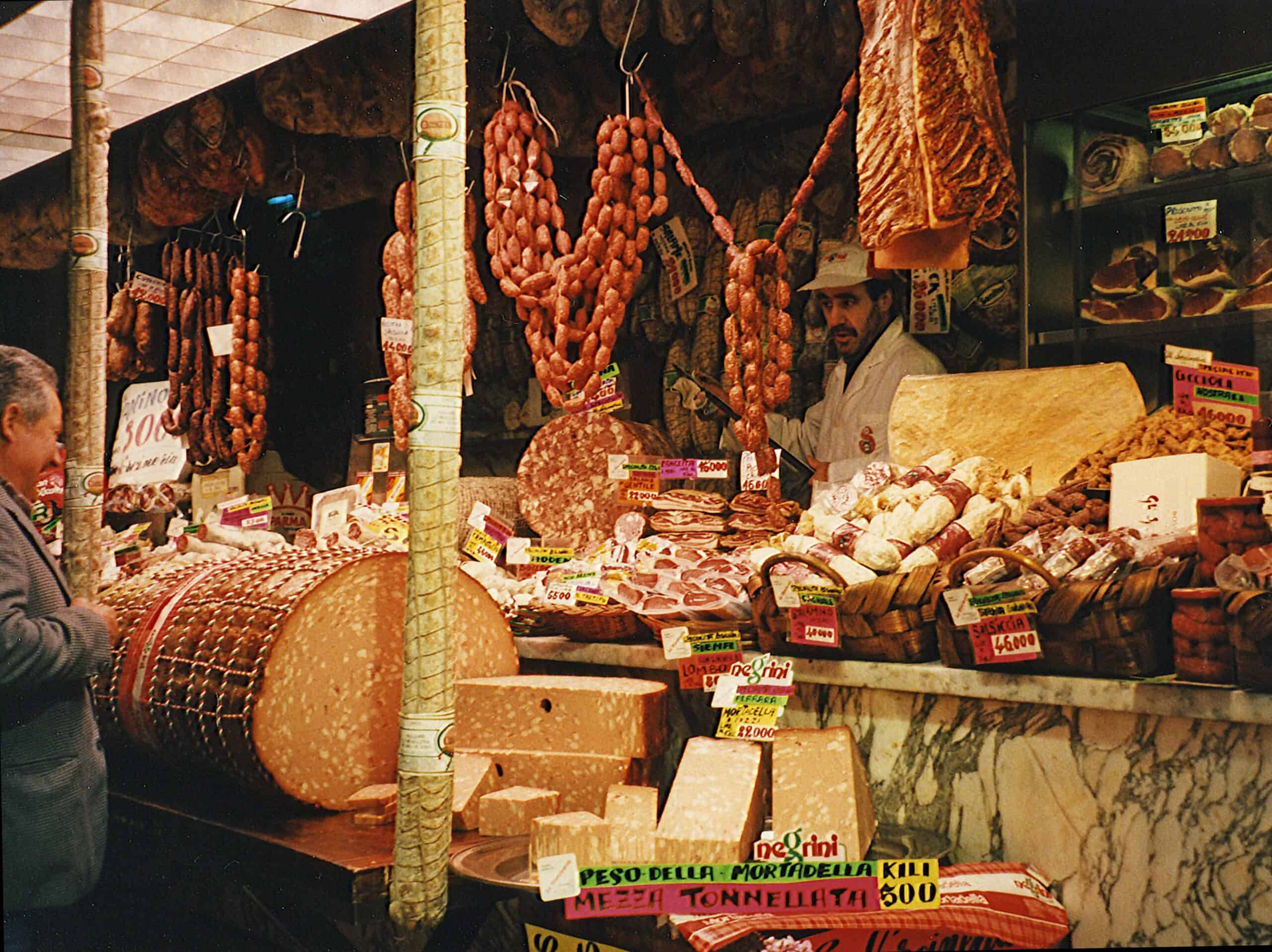
Florence’s markets provide a useful introduction to the ingredients behind Tuscan cooking. A market-based tour may include cheese, cured meats, bread, produce, wine and prepared specialties, along with conversations about how Florentines shop and eat.
Mercato Centrale is the city’s most famous food market, although visitors should understand that it serves more than one purpose. The ground floor retains a traditional market atmosphere during operating hours, while the upper level functions as a modern food hall.
Some tours also explore the Sant’Ambrogio area, which generally feels more closely connected to everyday neighborhood life. The right choice depends on whether you want convenient access to many foods or a less polished local-market experience.
Before booking, confirm that the tour includes an actual market visit. Some products use photographs of markets or mention them in the description without devoting meaningful time to exploring one.
Markets also have specific operating days and hours. An itinerary may change on Sundays, holidays or during afternoon and evening tours.
Best for travelers with limited time: a Florence street-food tour
A street-food tour is a practical choice when you want a guided food experience without giving up half a day.
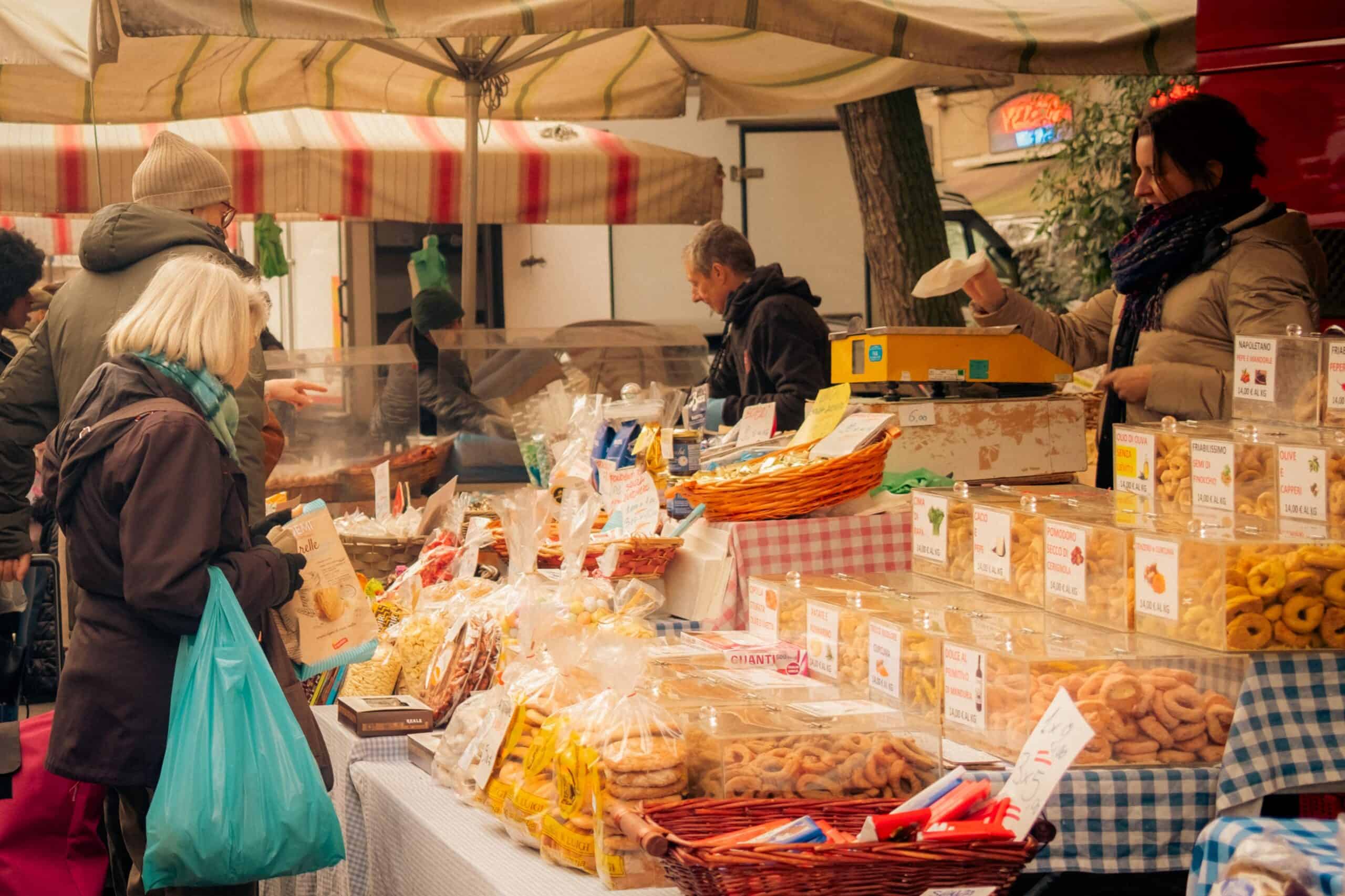
These tours generally feature foods that can be eaten while standing, walking or stopping briefly at casual businesses. Depending on the itinerary, tastings might include schiacciata sandwiches, crostini, lampredotto, pastries, gelato or wine.
Street-food tours are usually less formal than market or restaurant-based experiences. They can also reveal a more approachable side of Florence for travelers who feel intimidated by traditional menus or unfamiliar dishes.
Read the tasting list before booking. “Street food” can describe anything from several substantial stops to a short walk with only a few samples. Reviews that mention portion sizes and whether the tour replaced lunch are particularly helpful.
See Florence street-food tours
Best for wine lovers: a Florence wine and food tour
You do not need to leave Florence to begin learning about Tuscan wine. A city-based wine and food tour can introduce you to regional wines while pairing them with cheeses, meats and other local specialties.
This is a good option if you want a wine-focused experience but do not have time for a full-day excursion into the Tuscan countryside. It also eliminates concerns about driving after a tasting.
Look for a tour that provides context rather than simply pouring several glasses. A knowledgeable guide should be able to explain the basic differences among Tuscan wine regions, common grape varieties and how the wines are traditionally served with food.
Confirm how many tastings are included and whether food portions are substantial. Some experiences described as food and wine tours are primarily wine tastings with a small plate of snacks.
Should you take a Florence wine tour or a Tuscany day trip?
Choose a Florence wine and food tour if you have limited time, do not want a long drive or prefer to combine wine with the city’s culinary history.
Choose a Tuscany wine-country excursion if visiting vineyards, seeing the countryside and learning where the wine is produced are central to the experience.
A city tour typically requires only part of a day. A countryside tour may require seven to ten hours once transportation is included.
Compare Tuscany wine tours from Florence.
Best evening option: a Florence sunset or evening food tour
An evening food tour works well for travelers whose days are devoted to museums, churches and other scheduled attractions.
These tours may include an aperitivo, wine, savory tastings, pasta or another prepared dish and dessert. The evening setting can feel more social than a daytime market tour, particularly when the itinerary visits wine bars and neighborhood gathering places.
An evening tour can also replace dinner, but verify the number and size of the tastings before assuming you will receive a full meal.
Check the ending time and location as well. Florence is walkable, but a late finish may be inconvenient if your hotel is across the city or outside the historic center.
Check availability for an evening Florence food tour.
Best for a special occasion: a private Florence food tour
Private tours cost more, but they offer advantages for families, multigenerational groups, celebrations and travelers with particular culinary interests.
A private guide can usually adjust the pace more easily than someone leading a group of strangers. You may also have more opportunities to ask questions and discuss the foods that interest you most.
However, private does not necessarily mean completely customizable. Confirm whether you can alter the itinerary, request specific foods or arrange accommodations for mobility and dietary needs.
Private pricing may be calculated per person or per group. Compare the total carefully, especially if four or more people are traveling together. In some cases, the difference between a small-group tour and private experience may be smaller than expected.
Find a private Florence food tour
Best for adventurous eaters: a tour that includes lampredotto
Lampredotto is one of Florence’s most recognizable street foods. It is made from the fourth stomach of a cow, slowly cooked and commonly served in a sandwich with sauce.
The description may not sound inviting to everyone, but tasting lampredotto with a knowledgeable guide provides cultural context that you will not get by simply ordering it alone.
An adventurous-food tour should still offer variety. Travelers who discover that lampredotto is not for them should have several other opportunities to experience Florentine food.
If tasting it matters to you, verify that it is specifically named in the current tour description. Stops and menus can change.
Find a Florence food tour that includes lampredotto.
Florence food tour or cooking class: which should you choose?
Choose a food tour if you want to:
- Taste a broad variety of Florentine foods
- Learn about different neighborhoods
- Visit several restaurants, markets or food shops
- Understand the history and culture surrounding Tuscan food
- Combine eating with a walking tour
Choose a cooking class if you want to:
- Prepare pasta, pizza or another dish yourself
- Spend more time in one location
- Learn techniques you can recreate at home
- Share a seated meal with the group
- Participate in a structured, hands-on activity
If you have time, the experiences complement each other. Take a food tour near the beginning of your stay to understand the city’s culinary traditions, then book a cooking class later in the trip.
What foods should you try in Florence?
Every tour has a different itinerary, but these are some of the foods and drinks you may encounter:
Schiacciata
Schiacciata is a Tuscan flatbread with a crisp surface and olive oil. It may be served alone or used to make sandwiches filled with meats, cheeses and vegetables.
Lampredotto
This traditional tripe preparation is one of Florence’s most famous street foods. It is frequently served as a sandwich from market stalls and street vendors.
Bistecca alla Fiorentina
Florence’s famous steak is thickly cut and traditionally served rare. Because of its size and preparation, it is more likely to appear on a restaurant itinerary than as a small walking-tour tasting.
Ribollita
Ribollita is a Tuscan soup traditionally made with bread, beans and vegetables. It reflects the resourcefulness at the heart of many regional dishes.
Crostini
Tuscan crostini may be topped with chicken-liver pâté, vegetables, beans or other savory ingredients.
Pecorino and cured meats
Pecorino cheese, prosciutto, salami and other regional products frequently appear together as an antipasto or tasting board.
Cantucci and vin santo
These almond biscuits are traditionally served with sweet vin santo. They often provide a fitting conclusion to a Tuscan meal or food tour.
Gelato
Florence has an important place in the history of gelato, but quality varies. A good guide can help you distinguish artisan gelato from brightly colored, industrial versions designed primarily to attract visitors.
The foods included in a tour depend on the season, day of the week and businesses visited. Consider any tasting list representative rather than guaranteed unless the operator states otherwise.
How to choose the best Florence food tour
Look at the number of guests
Smaller groups generally make it easier to hear the guide, enter small businesses and ask questions. Do not rely entirely on the phrase “small group.” Check whether the operator states a maximum number of participants.
Count the tasting stops
The number of stops does not tell you everything, but it helps distinguish a substantial food tour from a walking tour with a few samples.
Look for details about what is served and whether the tastings collectively replace a meal.
Check the neighborhood
Tours centered entirely around the Duomo may be convenient but can feel heavily oriented toward visitors. Tours that include Sant’Ambrogio, Oltrarno or other residential areas may provide a broader view of the city.
The best neighborhood is ultimately the one that fits your itinerary and interests.
Confirm what is included
Check whether wine, market tastings, restaurant dishes and dessert are included in the listed price. Also review whether gratuities, transportation or attraction admission require additional payment.
Read recent reviews
Focus on comments about the guide, portion sizes, group size and pacing. A high overall rating is useful, but recent detailed reviews reveal more about the current experience.
Review the cancellation policy
Food tours have limited capacity and may sell out, particularly during busy travel periods. At the same time, plans can change. Flexible cancellation terms are valuable when booking well in advance.
Can Florence food tours accommodate dietary restrictions?
Some food tours can accommodate vegetarians or travelers who avoid particular foods, but this should never be assumed.
Traditional Florentine cuisine relies heavily on meat, cheese, bread and wine. Vegan, gluten-free and dairy-free travelers may find fewer suitable substitutions, particularly on tours with predetermined stops.
Contact the operator before booking if you have an allergy, celiac disease or another medically necessary restriction. A general statement that dietary needs can be accommodated does not necessarily mean a tour can prevent cross-contamination.
Private tours may offer more flexibility, but the arrangements should still be confirmed in writing.
When should you take a Florence food tour?
Schedule your food tour early in your Florence visit. You will learn what to order, where to shop and which neighborhoods you may want to revisit.
Morning tours are best for experiencing traditional markets during their most active hours. Afternoon street-food tours are easier to fit around museum reservations, while evening tours can replace dinner after a full sightseeing day.
Avoid scheduling a substantial food tour immediately before a special restaurant reservation. Even tours that describe their tastings as samples can provide far more food than expected.
Are Florence food tours worth the money?
A good food tour is worth the cost when it combines substantial tastings with expertise and access you would not easily arrange yourself.
You are not merely paying for food. You are paying for someone to select the stops, explain the traditions, introduce the neighborhood and help you understand what you are eating.
A food tour may offer less value if it visits only obvious tourist businesses, provides minimal portions or focuses more on generic sightseeing than Florence’s culinary culture. This is why the itinerary, group size and recent reviews matter more than the lowest price.
My recommendation
First-time visitors should choose a small-group tour that includes traditional Florentine foods, wine and at least one neighborhood beyond the streets immediately surrounding the Duomo.
Choose a market tour if you are interested in ingredients and everyday food culture. Select an evening tour if your sightseeing schedule is already full, or a private tour if you are celebrating something special or traveling with dietary and mobility considerations.
Whichever experience you select, take the tour early in your trip. The best Florence food tour will influence what you order and where you explore for the rest of your stay.