

Doha Travel Guide: Why Qatar’s Capital Deserves Your Attention
When travelers think of the Middle East today, it’s often the gleaming skylines of Dubai that first come to mind. But Doha, Qatar’s capital, is quietly making its own mark—blending centuries-old heritage with bold modern ambition. This is another one of those trips I committed to go on before I really even knew where it was. But I had asked many more worldly friends and they all said it’s a must-see destination. Despite it being a long way for a short trip, it was SO worth it!
While destinations like Dubai and Abu Dhabi often steal the spotlight, Doha — the vibrant capital of Qatar — is quietly emerging as one of the Middle East’s most exciting and luxurious destinations. Nestled on the coast of the Arabian Peninsula, Doha offers a fascinating fusion of modern opulence, rich cultural heritage, and an impressive global culinary scene. For food-loving travelers looking to explore beyond the usual suspects, Doha offers an irresistible mix of flavors, flair, and unforgettable experiences.
The History of Doha: From Pearling Village to Global Capital
Long before the oil era transformed the Gulf, the territory that is now Qatar was dotted with small fishing camps, migratory pastoralists, and occasional trade stops. Archaeological evidence suggests human presence from as early as the 6th millennium BCE, with links to regional Mesopotamian cultures.
Modern political history, however, begins in the 18th century. The founding of the town of Al Zubarah (on the northwest coast) by families migrating from Kuwait is often cited as a turning point in Qatar’s rise as a pearling and trade hub. Doha itself emerged in the early 19th century as an offshoot of Al Bidda, which had been an established settlement on the coast. The Al-Bida quarter (northwest Doha) was likely settled by migrants from the Sudan tribe, and the area became embroiled in 19th-century Gulf politics and rivalries.
In 1828, conflict erupted when a member of the local Al-Buainain tribe was imprisoned by Bahrain, triggering hostilities and the expulsion of the tribe from Doha. Over the decades, Doha’s strategic position on the Arabian Gulf drew the attention of both regional powers and outside influences. By the mid-19th century, the Al Thani family had begun asserting control. In 1868, a treaty with Britain recognised Qatar’s separate status, and in time, the Al Thani emerged as the ruling dynasty.
From the late 19th through early 20th centuries, Doha existed under shifting influence—oscillating between Ottoman oversight and British protection. In 1916, Britain formally established a political agency in the town. Qatar declared independence from Britain on September 3, 1971, and Doha was officially designated the capital.
The discovery and development of oil and natural gas reserves in the mid-20th century transformed Doha from a modest coastal town into a booming modern city. In the 1980s, Doha’s first high-rise constructions appeared, and urban expansion became more deliberate in the 1990s and 2000s. Today, Doha is a global city in its own right—Qatar’s commercial, cultural, and diplomatic center.
Doha is a Cultural Tapestry of Tradition, Faith, and Modern Ambition
Doha’s cultural identity is a rich blend of Bedouin and Gulf heritage, Islamic tradition, and a drive toward global engagement.
Islamic and Tribal Heritage – Islam is the foundation of Qatari life. Mosques are not just places of worship—they’re community hubs, landmarks of architecture, and scavengers of faith and art. The state mosque, Imam Muhammad ibn Abd al-Wahhab Mosque, is one of the grandest in the country, accommodating thousands of worshippers. Tribal identity remains important. While modernization has brought cosmopolitan influences, many Qataris maintain a connection to ancestral families and desert traditions.
Pearling & Maritime Legacy – Long before oil, the Gulf’s wealth was built on pearling and trade. Doha was once the home to hundreds of pearling boats. When global demand for cultured pearls rose and the Great Depression struck, that industry collapsed, deeply affecting the local economy. Today, heritage sites and museums commemorate that maritime past—keeping alive the sense of what life was like before oil.
A New Cultural Vision – Qatar has invested heavily in building a knowledge-based, culturally rich society:
- Education City: A sprawling campus in Doha housing global branch universities and research centers.
- Museums & Galleries: From the Museum of Islamic Art (designed by I. M. Pei) to the National Museum of Qatar (Jean Nouvel’s “desert rose” design) and the Mathaf Arab Museum of Modern Art, Doha is positioning itself as a regional cultural hub.
- Cultural Districts: Katara Cultural Village is an artistic core, with galleries, performance spaces, workshops, and festivals—designed to juxtapose authenticity and modern artistic experiment.
- Heritage Preservation: The Mina District, Al Rekayat Fort, and the Al Zubarah Archaeological Site are among Qatar’s efforts to preserve its past.
Qatar is also launching new cultural projects—most notably, in November 2025, Doha will open the Lawh Wa Qalam: M. F. Husain Museum, the world’s first museum dedicated to the Indian artist, reflecting Qatar’s ambition to host global art narratives.
Society, Commerce, and Daily Life – Doha is full of contrasts: skyscrapers and dunes, luxury malls and souks, exclusive enclaves and public parks. The population is majority expatriate, giving the city a cosmopolitan feel. English is commonly spoken alongside Arabic. Traditional family and social structures remain strong, and social norms regarding modest dress, respect for religion, and gender interaction are still observed (especially in more traditional venues).
The Best Things To See & Do In Doha
Doha offers a mix of modern attractions and traditional sites that showcase the city’s rich culture and history.eserving and promoting its traditions, making it one of the most culturally dynamic cities in the region.
Museum of Islamic Art – Designed by architect I.M. Pei, this iconic museum is a must-visit. The building itself resembles a woman in a burka, and inside, you’ll find 1,400 years of Islamic art, from intricately woven carpets to ancient manuscripts. Take the free guided tour to get the full experience.

Souq Waqif – Step back in time as you wander the restored alleys of this bustling market. Rebuilt after a fire in 2004, the souk retains its traditional charm. With shops selling spices, silks, antiques — and even falcons — it’s an experience like no other. You can also book a guided walking tour with Embrace Doha for deeper insights.

National Museum of Qatar – Showcases the country’s history through striking architecture and interactive exhibits.

Dhow Cruise at Sunset – For a magical end to the day, hop aboard a traditional wooden dhow boat from the Corniche. As the sun sets and the city lights up, you’ll get the best views of Doha’s skyline from the sea.
The Pearl-Qatar – This man-made island is Qatar’s answer to Beverly Hills — with luxury residences, designer boutiques, gourmet restaurants, and marina views. Built on an old pearl diving site, it’s a glittering tribute to Qatar’s past and future.
Katara Cultural Village – This visionary complex was created by the Emir as a tribute to Qatari arts and culture. From art galleries and film screenings to music festivals and traditional food stalls, Katara is where modern creativity meets ancient tradition.
Al Shaqab Equestrian Center – Home to over 800 Arabian horses, this state-of-the-art facility offers guided tours of its breeding barns, equine hospitals, training centers, and even a horse jacuzzi. This was a fascinating glimpse into Qatar’s love for its national animal.
Corniche – A scenic promenade along the bay, perfect for walking or cycling, with views of the skyline and traditional dhow boats.
Doha Desert Safari – No trip to this region is complete without a trip into on a Doha desert safari. For thrill-seekers, dune bashing in a 4×4 across the golden sands is an adrenaline-pumping ride you won’t soon forget. Your journey ends at the Inland Sea (Khor Al Adaid), one of only two places on earth where desert dunes meet the ocean.
Imam Muhammad ibn Abd al-Wahhab Mosque – Combines modern design with traditional Islamic architecture.
Sheikh Faisal Bin Qassim Al Thani Museum – A private museum with artifacts, vintage cars, and cultural treasures.
Al Zubarah Fort and Archaeological Site – Located outside the city, offering a glimpse into Qatar’s historical trading and fort life.
The Best Hotels in Doha
If luxury had a capital, Doha would be a serious contender. The city is packed with extravagant hotels that set a new standard for hospitality, where service is seamless and surroundings are nothing short of stunning. Whether you’re splurging on a lavish retreat or looking for a stylish stay that won’t break the bank, Doha offers a wide range of accommodations to suit every traveler’s budget and style.
Luxury hotels in Doha
I visited these three luxury hotels and they were nothing short of spectacular!
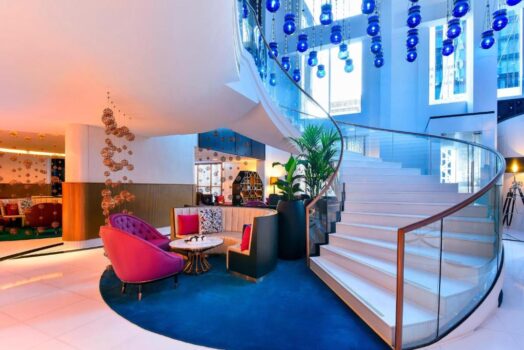
W Doha – The W Doha is a striking, modern hotel that blends luxury with vibrant, contemporary design, making it a standout destination in Qatar’s capital. Located in West Bay, it offers stunning views of the city skyline and the Arabian Gulf, making it ideal for both business and leisure travelers. The hotel features sleek, stylish rooms and suites with high-end amenities, as well as a variety of dining options ranging from chic lounges to innovative international cuisine. Guests can enjoy the rooftop pool, state-of-the-art fitness center, and spa facilities, all designed to provide a high-energy yet relaxing experience. With its energetic atmosphere, trendy nightlife, and proximity to Doha’s major attractions, the W Doha offers a dynamic and memorable stay.
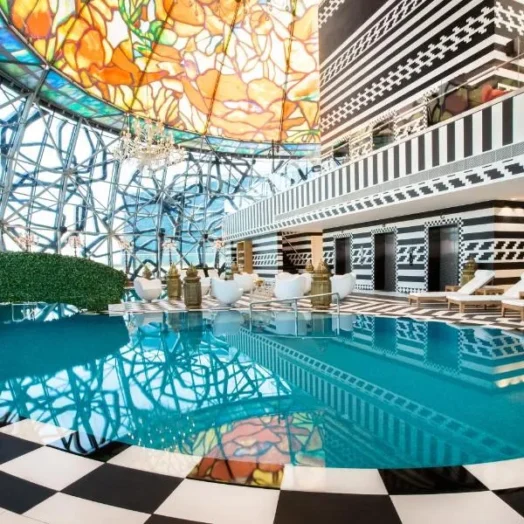
Mondrian Doha – Mondrian Doha is a striking five-star hotel located in the West Bay Lagoon area of Doha, Qatar. Designed by renowned Dutch designer Marcel Wanders and operated by SBE, the hotel opened in 2017 and has since become a landmark of contemporary luxury and imaginative design. The hotel’s architecture is inspired by the national bird of Qatar, the falcon, and features a distinctive twisted tower that houses 270 rooms and suites. Each space within the hotel tells a unique story, blending traditional Arab elements with modern design to create a whimsical and luxurious atmosphere. Mondrian Doha offers a range of world-class amenities, including the region’s first ESPA spa, a rooftop pool beneath a stained-glass dome, and a 2,000-square-meter ballroom with a 24-karat gold elevator. Guests can indulge in exceptional dining experiences at venues like Morimoto Doha, Walima, Hudson Tavern, and Black Orchid. Located near the Corniche and Souq Waqif, Mondrian Doha provides easy access to shopping, dining, and cultural attractions, making it an ideal destination for both business and leisure travelers.
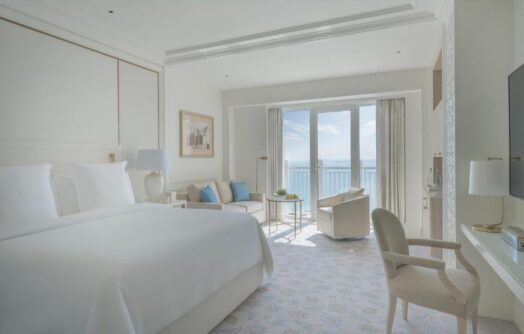
Four Seasons Hotel Doha – Four Seasons Hotel Doha is a premier five-star resort nestled along the Corniche in the heart of Doha’s West Bay district. This elegant property offers 237 rooms and suites, each thoughtfully designed by Pierre-Yves Rochon to blend contemporary luxury with traditional Qatari elements, featuring mother-of-pearl inlays and Arabic motifs. Guests can indulge in a range of world-class amenities, including a private Arabian Gulf beach, five outdoor pools, and a state-of-the-art fitness center. The hotel boasts ten dining venues, such as the renowned Nobu Doha, offering exceptional culinary experiences. For relaxation, the Doha Spa provides comprehensive wellness treatments, while the Library Lounge and Seasons Tea Lounge offer refined spaces for leisure and socializing. Whether visiting for business or leisure, Four Seasons Hotel Doha combines sophisticated design, unparalleled service, and a prime location to deliver an exceptional hospitality experience in Qatar’s capital.
Moderate hotels in Doha
If you can’t spring for a luxury experience, here are some more mid-range hotels.
Souq Waqif Boutique Hotels (Midrange) – For a stay that immerses you in Qatari culture, Souq Waqif Boutique Hotels offer a unique experience in the heart of Doha’s most historic district. Spread across several beautifully restored buildings in the souk, each boutique hotel features distinct traditional architecture, Arabic décor, and modern comforts. Guests are just steps from market stalls, cafes, and cultural sites. It’s an ideal blend of heritage and hospitality for those who prefer a stay with local character.
Dusit Doha Hotel (Affordable Luxury) – Combining Thai elegance with Qatari hospitality, Dusit Doha Hotel delivers a five-star experience at a more accessible price point. Located near the Corniche and close to popular attractions, the hotel offers spacious rooms, a luxurious rooftop pool with skyline views, and several well-rated restaurants. It’s a great choice for business travelers and vacationers alike who want upscale amenities without the premium price tag.
Premier Inn Doha Education City (Budget-Friendly) – A smart choice for travelers on a budget, Premier Inn Doha Education City provides clean, modern rooms with excellent value and convenience. Located near the metro line and a short ride from major sites like Katara Cultural Village and the Museum of Islamic Art, the hotel includes perks like free Wi-Fi, a 24-hour Costa Coffee, and a rooftop pool. It’s ideal for a comfortable layover, short stay, or travelers who want to save on lodging and spend more on experiences.
Doha’s Eclectic Culinary Scene
Doha is fast becoming a global culinary hotspot, offering everything from traditional Qatari flavors to world-renowned fine dining. Doha offers a rich and diverse culinary scene that reflects both its traditional Qatari heritage and its cosmopolitan population. Visitors can experience a range of flavors, from classic Middle Eastern and Gulf dishes to French-inspired fine dining, international fusion, and fresh seafood. Whether you are exploring local markets or high-end restaurants, the city’s food culture is a delicious blend of tradition, innovation, and luxury.

IDAM – Located on the fifth floor of the Museum of Islamic Art, IDAM offers a refined blend of French and Middle Eastern cuisine. The Michelin-starred restaurant provides panoramic views of the Doha skyline, making it perfect for a luxurious dining experience.
Nobu Doha – This was my first Nobu experience! This architectural gem — the largest Nobu in the world — sits on its own pier over the Arabian Gulf, offering glittering skyline views and iconic Japanese-Peruvian cuisine. Situated in the luxurious Four Seasons Hotel, Nobu brings world-renowned Japanese-Peruvian fusion cuisine to the city. With stunning views of the Arabian Gulf and a chic, contemporary setting, it’s ideal for a special night out or a stylish culinary experience. Every bite, from the miso cod to toro tartare, is as spectacular as the setting.

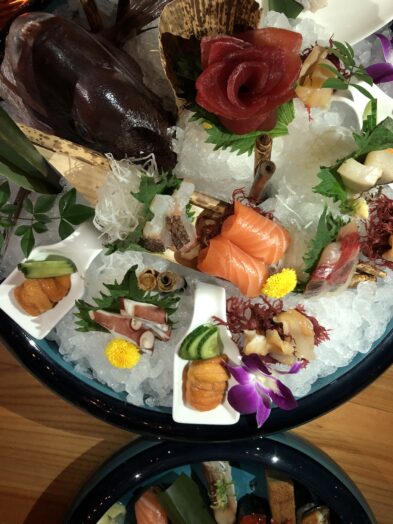
Parisa Souq Waqif – For a truly authentic Middle Eastern experience, Parisa delivers. Located inside the historic souk, this lavishly decorated restaurant serves family-style platters of grilled meats, fluffy rice, and vibrant mezze, all infused with rich Persian flavors.
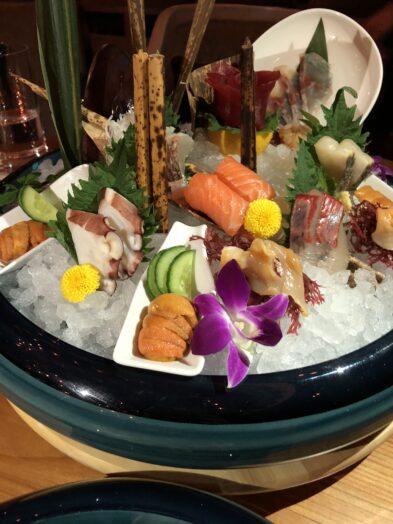
Morimoto Doha – World-famous Iron Chef Masaharu Morimoto brings his signature style to the Mondrian, where you can indulge in exquisitely plated omakase, melt-in-your-mouth sushi, and Japanese Wagyu flown in daily. Don’t miss the Wagyu-infused whisky cocktail — a drink worth writing home about.
Yasmine Palace Restaurant – Known for its authentic Lebanese and Middle Eastern dishes, Yasmine Palace in West Bay offers a sophisticated setting with a diverse menu of traditional favorites. The elegant atmosphere and flavorful cuisine make it a popular choice for both locals and tourists.
A Sample Itinerary for 2–3 Days in Doha
Day 1: Heritage & Heart
- Morning: Begin in Souq Waqif, sip coffee, soak in the sights
- Midday: Walk the Corniche to the Museum of Islamic Art
- Afternoon: Lunch by the water and visit MIA’s galleries
- Evening: Dhow cruise on the bay + dinner in the Souq area
Day 2: Culture & Vision
- Morning: National Museum of Qatar
- Lunch break in Msheireb or city center
- Afternoon: Explore Katara Cultural Village
- Evening: Head to The Pearl for shopping, dinner, and sunset views
Day 3 (Optional): Beyond the City
- Drive to Al Zubarah Fort
- Visit FBQ Museum
- If time, venture into desert or coastal mangroves
Is It Safe To Travel To Doha?
Yes, Doha is generally considered a very safe destination for travelers. I’ll be honest, when I first got invited, I was a bit apprehensive. But I reached out to a few of my fellow adventure travelers, including a friend who had lived there, and they all assured me it was safe. The city boasts low crime rates, strict law enforcement, and a stable political environment, making it one of the safest capitals in the Middle East. Violent crime is rare, and petty theft is minimal, especially in well-populated areas and tourist districts. Visitors should still exercise standard precautions—like safeguarding personal belongings, being mindful of local customs, and respecting cultural norms—but overall, tourists often feel comfortable exploring Doha both day and night. Additionally, Qatar has excellent healthcare infrastructure and modern transportation, further enhancing the sense of safety for international travelers.
Getting to Doha
Getting to Doha from the U.S. is easier than ever, thanks to an increase in direct and one-stop flight options. Qatar Airways, the country’s flagship airline and a member of the oneworld alliance, offers nonstop service from major U.S. cities including New York (JFK), Chicago (ORD), Dallas (DFW), Atlanta (ATL), Miami (MIA), and Los Angeles (LAX) to Hamad International Airport (DOH) — consistently ranked among the world’s top airports. These long-haul flights typically range from 12 to 15 hours, depending on your departure city. For those flying from cities without direct service, convenient one-stop options are available through European and Middle Eastern hubs with carriers like Turkish Airlines, Emirates, and British Airways. Once you arrive, the airport is just a 20-minute drive to the city center, and taxis, ride-shares, and a newly developed metro system make it easy to get around.
Weather in Doha
Doha experiences a desert climate characterized by long, hot summers and mild, short winters. From May to September, temperatures often soar above 100°F (38°C), with June through August being the hottest months, accompanied by high humidity. During this time, outdoor activities are best limited to early mornings or evenings. In contrast, the winter months—November through March—offer much more pleasant weather, with daytime temperatures ranging from 70°F to 80°F (21°C to 27°C) and cooler evenings, making it the ideal time to visit. Rainfall is minimal and usually occurs in brief showers between December and March.
Tips for Visiting Doha
- Dress with respect: Modest, climate-appropriate clothing works best, especially in mosques or heritage zones.
- Timing matters: Many museums and cultural sites close midday for prayer.
- Stay hydrated: Doha is often hot and dry—carry water and sun protection.
- Use public transit & ride-share: The Doha Metro and Mowasalat buses/taxis are efficient.
- Cultural sensitivity: Be aware of local customs during Ramadan or national holidays.
Whether you’re visiting Doha as a luxury layover or planning a longer stay, this fascinating city offers much more than meets the eye. From its dazzling skyline and luxurious hotels to its deep-rooted cultural attractions and world-class cuisine, Doha is a destination that deserves every food lover’s attention.
This blog post may contain affiliate links, meaning that if you click on a link and make a purchase, I may receive a small commission at no extra cost to you. I only recommend products and services I truly believe in and use myself.