

What I Ate in Mexico City (3 Days of Food I’m Still Thinking About)
This blog post may contain affiliate links, meaning that if you click on a link and make a purchase, I may receive a small commission at no extra cost to you. I only recommend products and services I truly believe in and use myself.
I was skeptical about Mexico City. My son had been telling me for years that I needed to go — not just for the culture, but for the food, which he insisted was among the best he had eaten anywhere. I smiled, nodded, and kept planning other trips. Then he wore me down.
My hesitation was partly about the food, ironically. Specifically, Montezuma’s Revenge. I had heard enough horror stories that the idea of eating street food in a city of 22 million people gave me pause.
So I did what I always do when I am unsure about a destination — I researched it, booked a highly rated food tour with a strong safety record, and went anyway. It ended up being one of the best food trips I have taken in more than 50 countries.
Planning your trip? See exactly how to structure your 3 days in Mexico City, including where to stay and what to book in advance.
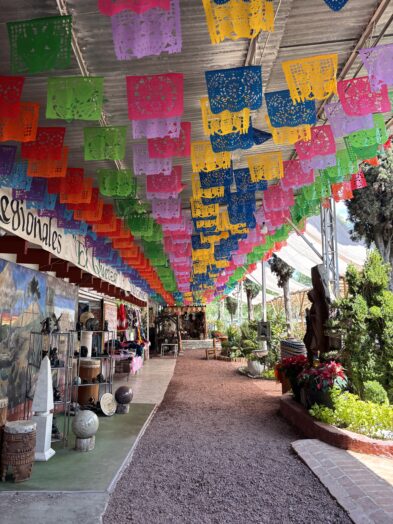
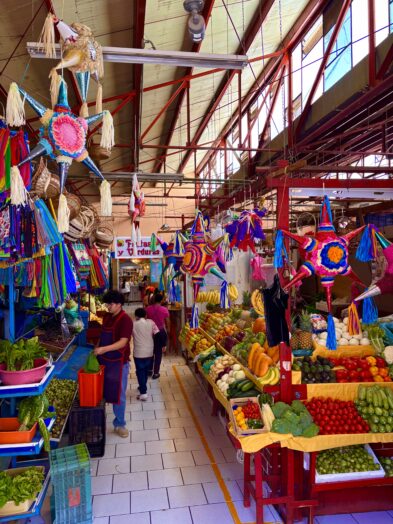
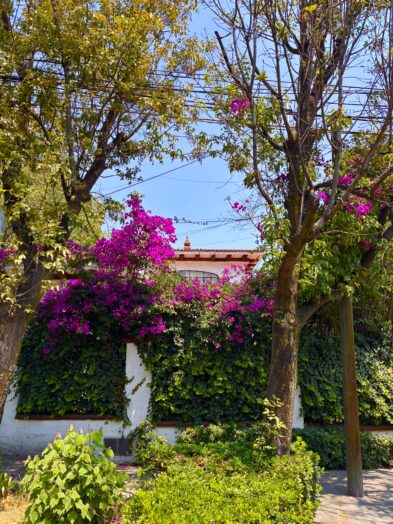
Before You Go: What to Know About Mexico City
Mexico City is massive — more than 20 million people — and it sits at about 7,300 feet elevation. You may feel it on your first day, so keep things light and stay hydrated.
Getting there is easy from most U.S. cities, and the airport is right in the city, which makes logistics simple.
If you are worried about food safety, stick to bottled or filtered water and avoid raw produce from unknown sources. But do not let that stop you from eating. The food is the entire point.
Be sure to compare hotels in Roma Norte, Condesa, and Polanco — these are the best neighborhoods for food, walkability, and overall experience.
Is Mexico City Safe for Tourists?
This was my concern going in, and the honest answer is: yes, in the right neighborhoods, with normal urban awareness. The tourist-facing areas of the city — Polanco, Roma, Condesa, and the Historic Center — are well-patrolled and generally safe. We walked extensively throughout our three days and never felt threatened. Our walking tour guide pointed out the visible presence of public safety officers throughout the city, which he said is consistent, not just for tourists.
Use Uber rather than hailing taxis on the street, stay aware of your surroundings at night, and you will be fine.
Day 1: First Impressions and My First Taco
We arrived after a long travel day and stayed in Centro Histórico. I will be honest — my first impression was not great. It was crowded, chaotic, and the traffic felt relentless. I understood immediately why people hesitate.
We wandered out in search of water and something “safe” to eat and ended up in a small taco spot that looked, generously, a little rough around the edges. After struggling through the menu with Google Translate, we ordered whatever sounded remotely familiar. It was incredible. Spicy, messy, completely unpolished — and better than anything I expected.
Mexico City had officially started to win me over.
Exploring Centro Histórico (When It Finally Clicked)
If your trip includes a Sunday, take advantage of it. From 8am to 2pm, major streets in Mexico City close to cars and turn into pedestrian and cycling routes. The difference in energy is immediate — what felt overwhelming the day before becomes genuinely enjoyable. This is also the best time to explore Centro Histórico.
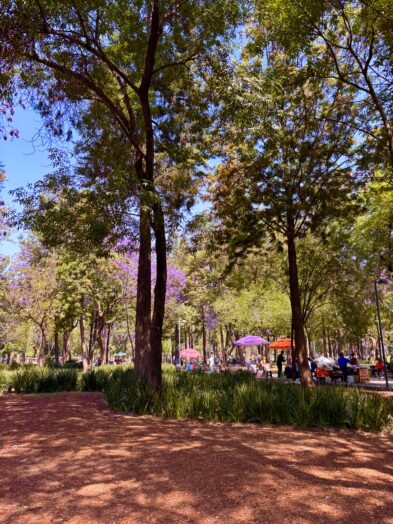
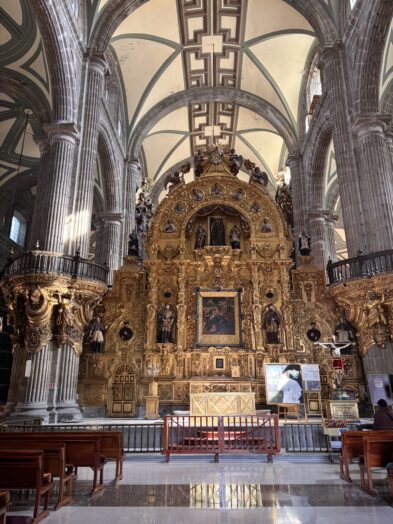
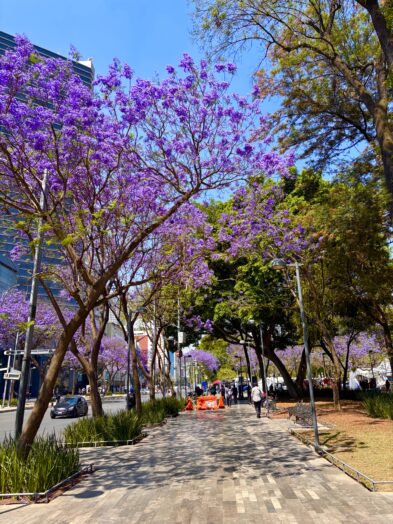
El Zócalo is the starting point — one of the largest public squares in the world, surrounded by the Metropolitan Cathedral and the National Palace, with the ruins of Templo Mayor nearby. The cathedral is worth stepping inside for the scale alone, but what stood out most was learning that the entire structure is slowly sinking into the old lakebed beneath it — something that’s been happening for centuries. From there, walk toward Alameda Central, especially if you’re visiting during jacaranda season when the entire area turns purple.
Day 2: Street Food, Markets, and the Turning Point
If you are even slightly hesitant about street food, this is where everything changes. A guided food tour is the easiest way to experience Mexico City’s street food safely and confidently — and to understand what you are actually eating.
Book the top-rated Roma street food tour here — it removes the guesswork entirely and gives you access to places you would never find on your own.
Sreet Food Tour (The Best Thing I Did)
I booked a street food tour after reading through what felt like hundreds of reviews. It exceeded all of them. Our guide was a local food writer, which meant this was not just eating — it was understanding.
Book the Mexico City street food tour — this was the single best experience of the trip.
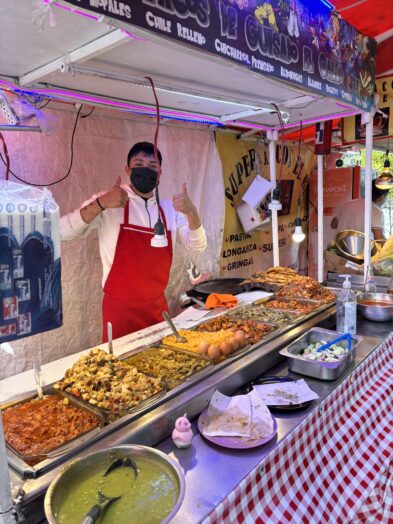
What We Ate
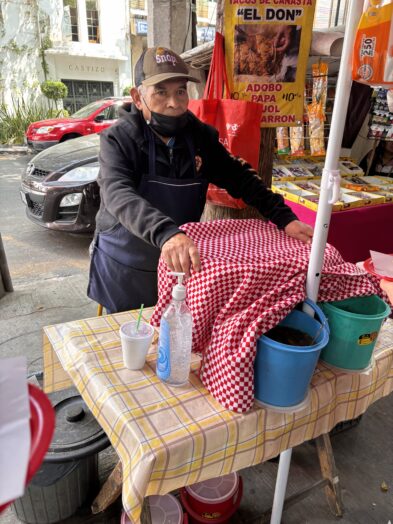
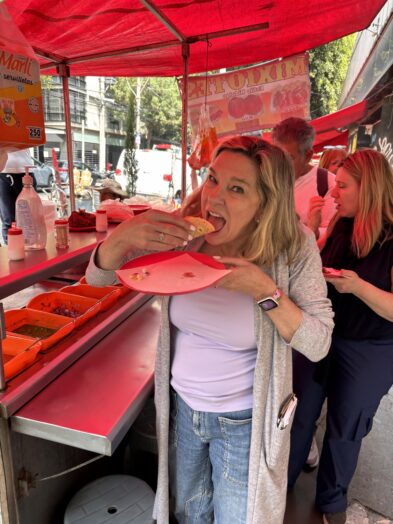
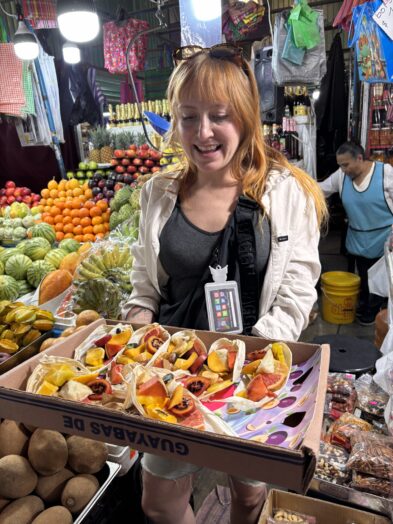
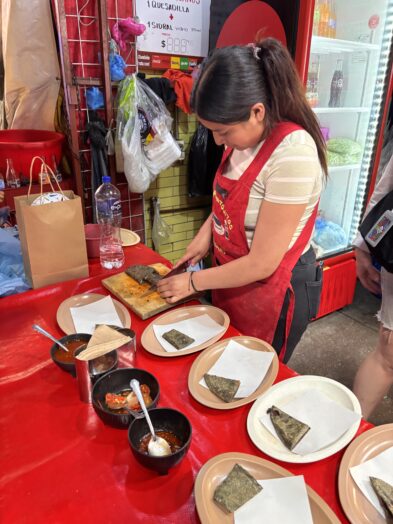
We started with tacos de canasta — soft, steamed tacos filled with beans, chicken, and chicharrón, eaten standing on a street corner while the city moved around us. Then mixiotes — pork marinated in spices, wrapped in maguey leaves, and slow-cooked until it fell apart.
Tacos al pastor came next — spit-roasted pork with pineapple, sliced fresh and served on small corn tortillas. What I did not know before: you do not eat al pastor in the morning. It is an evening food, and the stands appear later in the day. That is the kind of detail that changes how you experience a place.
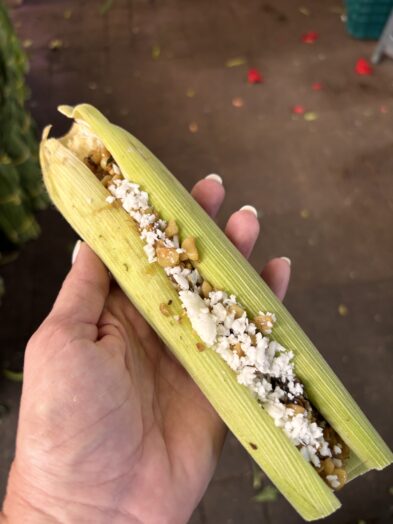
At Jamaica Market, we tried fresh hibiscus juice, carnitas, and tepache — a lightly fermented pineapple drink that was unexpectedly refreshing. And then the dish I am still thinking about: Longaniza verde — a green sausage made with herbs, chiles, nuts, and seeds, grilled and served in a taco. It was one of those moments where you stop mid-bite and realize your expectations were completely wrong.
This is exactly why doing a food tour makes such a difference — you get context, timing, and access you would never have on your own.

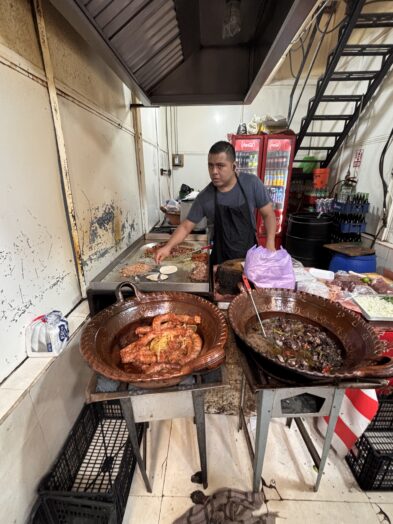
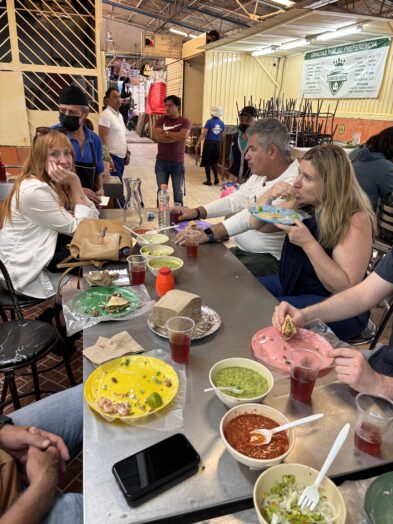
Why the Food Tour Matters
This is exactly why a food tour is worth it. It is not just about what you eat. It is about when you eat it, where you go, and why it matters.
If you are even slightly hesitant about street food, a guided food tour is the easiest way to experience it safely — check the best-rated food tours here.
If you’re real foodie like me, take a Mexican cooking class. The Essence of Mexico: Authentic Mexican Cooking Class & Market Tour is a favorite but book it early!
Day 3: Teotihuacan and One Last Surprise
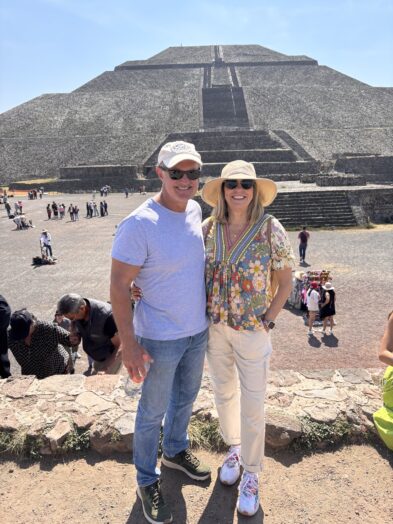
We spent our final day at Teotihuacan, about an hour outside the city. If you go, book a guided tour with transportation — it makes the logistics significantly easier and adds context that you simply will not get on your own.
Book a Teotihuacán Full Day Tour from Mexico City
The scale of the pyramids is hard to understand until you are there. Walking the Avenue of the Dead with a guide explaining the history completely changes the experience.
If you go, book a guided tour with transportation — see the best Teotihuacan tours here — it makes the entire experience much easier.
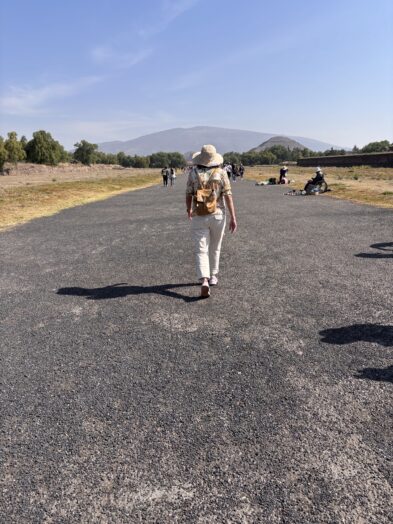
Another great way to see the pyramids is via hot air balloon.
Book the Teotihuacan Hot Air Balloon Flight from Mexico City here – it sells out quickly!
Another great experience is Xochimilco, a UNESCO World Heritage Site famous for its pre-Hispanic, artificial floating gardens. You can actually see the pyramids and the gardens in a single day with this top-rated guided tour.
The Best Restaurants I Tried
Beyond street food, a few places stood out:
Contramar — tuna tostadas and whole grilled fish
Máximo Bistrot — seasonal and ingredient-driven
Rosetta — beautiful setting with Italian-Mexican influences
And one unexpected moment — after days of incredible Mexican food, we ended up craving something different and found a small Italian restaurant near Zócalo that was quietly perfect.
Mexico City will do that. It surprises you constantly.
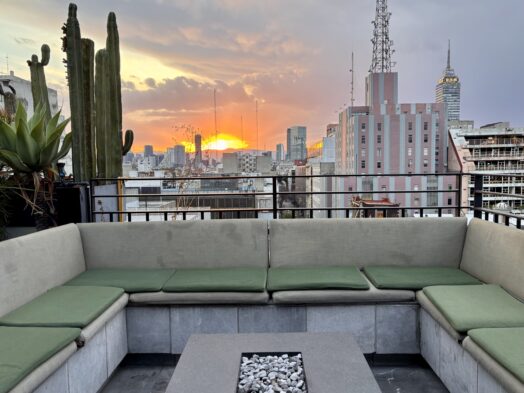
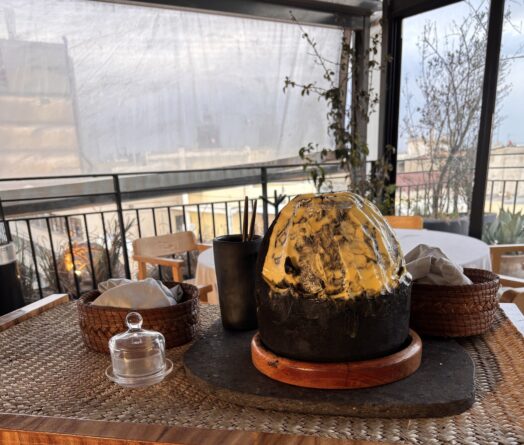
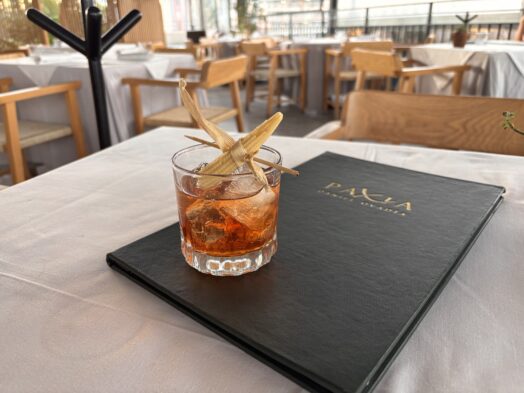
Where I Would Stay Next Time (And What I’d Do Differently)
I made one mistake on this trip — I stayed in Centro Histórico. It is fascinating, but it is not where I would stay again.
If I were planning this trip now:
- Roma Norte for food and walkability
- Condesa for a calmer, more polished stay
- Polanco for upscale hotels and dining
Compare hotel prices across Roma, Condesa, and Polanco for your dates — the best boutique hotels book up quickly.
How I Would Plan This Trip Now
I would keep it simple:
- Day 1: Roma + Condesa
- Day 2: Street food + Centro
- Day 3: Teotihuacan + one great meal
And I would book a food tour early because I almost missed out on ours. That one decision changes everything.
Plan Your Mexico City Trip
If you are planning your trip, do not try to piece it together last minute.
See exactly how to spend 3 days in Mexico City — including where to stay, what to eat, and the best tours to book.
The Best Time to Visit Mexico City
The best time to visit Mexico City is March through May. The dry season means minimal rain, temperatures comfortably in the 70s and low 80s, and — if you time it right — the jacaranda bloom, which turns the city purple for a few weeks in late March and April. We happened to catch it and it was one of the most unexpectedly beautiful things I saw on the trip.
October through early December is the strong second option: the rainy season has ended, crowds are lighter, and the city is at its greenest. Avoid June through September if you can, when afternoon downpours are reliable and the humidity climbs.
Mexico City FAQs
Is Mexico City safe for tourists? Yes, in the right neighborhoods and with normal awareness. Polanco, Roma, Condesa, and the Historic Center are all well-patrolled and generally safe for tourists. Use Uber rather than street taxis, stay aware at night, and you will have no issues.
Will I get sick eating street food in Mexico City? Not necessarily, and not if you choose the right food tour operator. I used Eat Like a Local Mexico City specifically because of their safety record. Stick to busy, high-turnover stalls, avoid raw vegetables and unfiltered water, and you dramatically reduce your risk. I ate extensively from street vendors over three days and had only a minor issue at the very end of the trip.
It’s never a bad idea to have travel insurance in case you do get sick. Get a rate here.
How far are the Teotihuacan pyramids from Mexico City? About one hour by car. Book a private or guided tour from the city — it is the most efficient way to go and the historical context a guide provides makes the site significantly more meaningful.
Do I need to speak Spanish in Mexico City? It helps but is not required in tourist areas and restaurants. English is widely spoken in Polanco, Roma, and Condesa, and most tour operators work in English. Google Translate handles the gaps.
How many days do you need in Mexico City? Three days is enough to cover the major highlights — the Historic Center, the pyramids, one good food tour, and several strong restaurant meals. A fifth or sixth day would let you add Chapultepec Park, the Frida Kahlo Museum in Coyoacán, and more neighborhood wandering. I would go back for a week.
What should I do on a Sunday in Mexico City? Book a walking tour. The city closes its central streets to vehicles from 8am to 2pm every Sunday, making it the single most pleasant day to explore on foot. It is also a good morning for Alameda Central and the Historic Center before the afternoon crowds arrive.