
The Best Great Smoky Mountains Travel Guide: Where to Stay, Eat, and Explore in 2026
This post contains affiliate links. If you book through my links, I may earn a small commission at no extra cost to you.
The Great Smoky Mountains have a way of recalibrating everything. The moment you start climbing into those layered blue ridges, the Florida heat — the relentless, sticky, suffocating Florida heat — becomes a distant memory. I have been escaping to the Smokies and the surrounding mountains of Western North Carolina for years. Sometimes we rent a VRBO in Cashiers. Sometimes we stay with my brother in Maggie Valley and spend days driving the Blue Ridge Parkway in the fog. And a few times, I have treated myself to the sheer luxury of the Old Edwards Inn in Highlands, where the elevation alone feels like a gift.
If you are thinking about visiting the Great Smoky Mountains — whether for the first time or the fifteenth — this guide covers everything you need to know: when to go, where to stay for every travel style, what to eat across the region, the best things to do inside the park, and how to use the mountains as a base for exploring some of the most beautiful small towns in the American South. And I highly recommend this destination for escaping the summer Florida heat!

Why the Great Smoky Mountains Are Worth the Trip
Great Smoky Mountains National Park is the most visited national park in the United States, drawing more than 12 million visitors a year — more than Yellowstone and the Grand Canyon combined. And yet, unlike many overcrowded parks, the Smokies still manage to feel wild. The park spans more than 500,000 acres across the Tennessee-North Carolina border, with nearly 850 miles of hiking trails, more than 2,900 miles of streams, and a biodiversity that earns it UNESCO World Heritage status. Entry is free, which remains one of the great bargains in American travel.
The park is also genuinely accessible. You do not have to be a seasoned hiker to experience it. Scenic drives take you through valleys where black bears graze at dusk, past pioneer churches and gristmills, and up to mountain passes where the views stretch for a hundred miles.
Getting There: Airports and Driving
The Smoky Mountains are within a day’s drive of roughly two-thirds of the U.S. population, which explains why they stay busy year-round.
By air: The closest airport on the Tennessee side is McGhee Tyson Airport (TYS) in Knoxville, about 45 minutes from Gatlinburg. On the North Carolina side, Asheville Regional Airport (AVL) is approximately 60 miles from the Cherokee entrance. Atlanta’s Hartsfield-Jackson (ATL) is about three and a half hours from Gatlinburg and works well if you are flying in from Florida or the Southeast.
By car: From Jacksonville or St. Augustine, plan on roughly eight to nine hours to Gatlinburg. From Atlanta, it’s about two and a half hours. From Charlotte, about two hours to the Cherokee entrance. I typically fly into Knoxville or drive up from Florida when we make it a longer road trip that includes stops in the mountains.
A rental car is essential. You will want the freedom to drive Cades Cove at sunrise, chase waterfalls on back roads, and make spontaneous detours toward Asheville or Highlands. Search rental cars for your trip here.
When to Visit: The Smoky Mountains by Season
Spring (mid-March through May) is my personal favorite for first-time visitors. The wildflowers are extraordinary — the Smokies are sometimes called the Wildflower National Park, with more than 1,500 species of flowering plants. Crowds are moderate before Memorial Day, and the waterfalls run full from spring rains. Temperatures are mild, ranging from the 50s in the mountains to the upper 60s in the valleys.
Summer (June through August) is peak season and the most crowded. Families flock here during school breaks, and Gatlinburg and Pigeon Forge get genuinely packed. That said, if you arrive at the park early and choose less-traveled trails, you can still find peace. Temperatures at higher elevations can be 10 to 20 degrees cooler than the valley floors — a relief if you are coming from Florida.

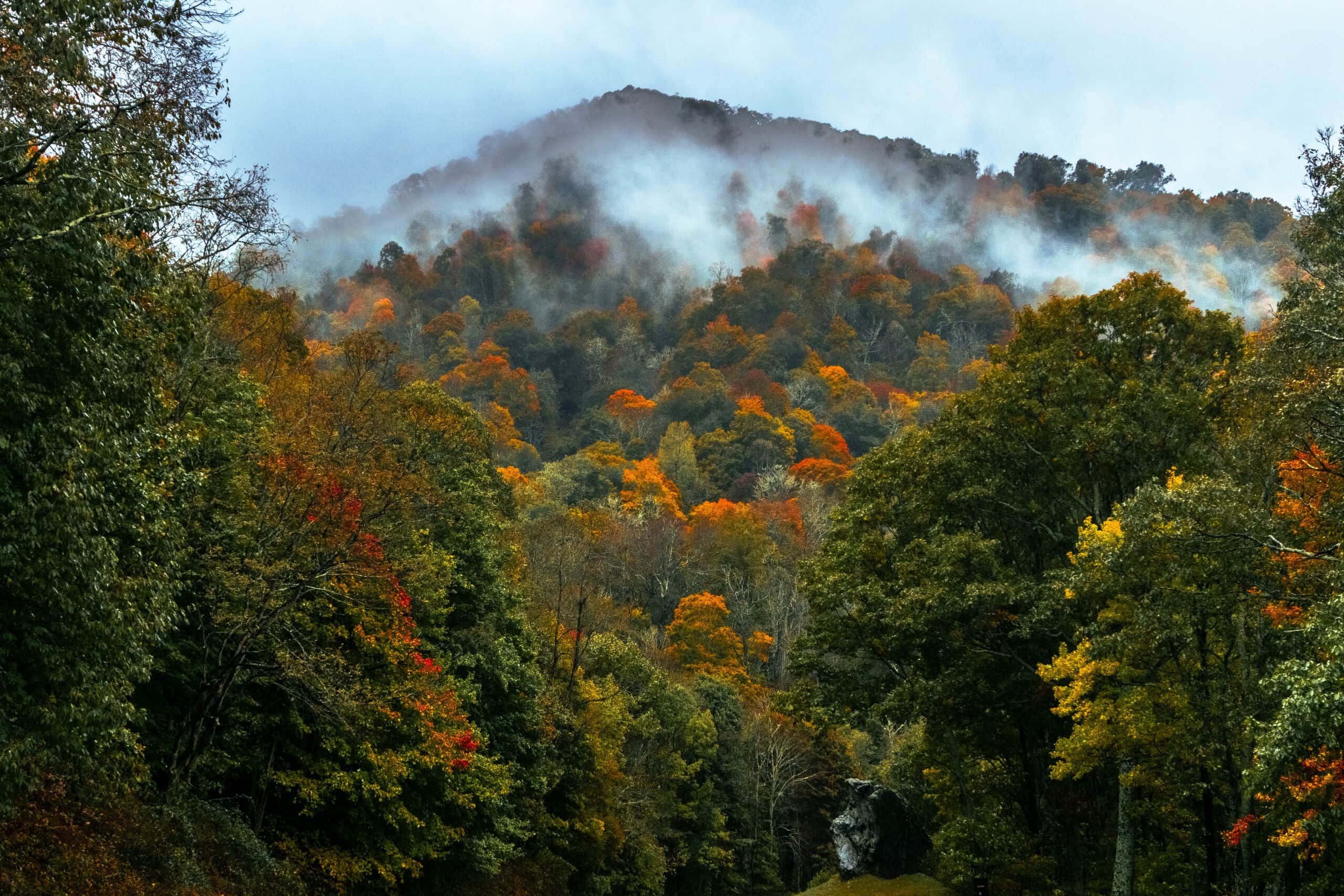
Fall (mid-September through November) is the crown jewel. Foliage typically peaks in mid-October, turning the ridgelines into a patchwork of copper, gold, and crimson. This is when my brother in Maggie Valley starts sending me photos that make me instantly book a flight. Book accommodations months in advance for October. Seriously.
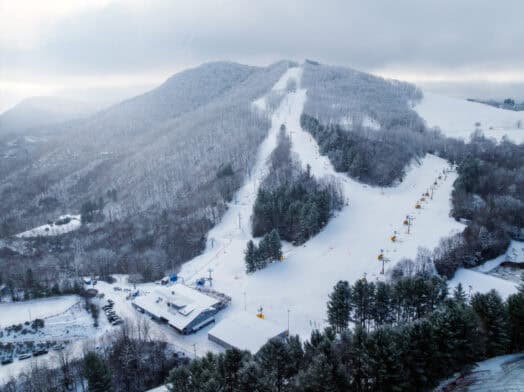
Winter (December through February) is underrated. The park is quieter, rates drop significantly, and when the leaves are gone you get clearer views of the mountain architecture. Snow occasionally dusts the higher peaks and Newfound Gap Road. Some roads close in winter, but the core experiences remain accessible.
Where to Stay: Two Very Different Smoky Mountain Experiences
One of the things I love about this region is how flexible it is depending on what you want from a trip. If you want access to the park, Dollywood, and the full Tennessee mountain-town experience, base yourself in Gatlinburg or Pigeon Forge. If you want to escape entirely into the mountains — cooler, quieter, and considerably more elegant — head to the North Carolina side: Cashiers, Highlands, and Maggie Valley offer a completely different atmosphere.
Staying on the Tennessee Side: Gatlinburg and Pigeon Forge
Gatlinburg sits right at the park entrance and is the better base if your priority is hiking, wildlife watching, and direct access to the park. It is a walkable, bustling mountain town with a distinct personality — part Appalachian, part tourist strip, entirely its own thing. Pigeon Forge, a few miles north, is where you go for Dollywood, outlet shopping, and family-friendly entertainment.
For hotels, the Park Vista DoubleTree by Hilton sits high on a ridge above Gatlinburg with panoramic mountain views and a heated indoor pool. It is the most scenic hotel option in Gatlinburg proper, and the location puts you minutes from the park entrance. The Dollywood’s HeartSong Lodge & Resort is Pigeon Forge’s newest major resort, opened in 2024 with Smoky Mountain-themed rooms, Tennessee’s largest indoor water park, and direct proximity to Dollywood — a very good option if you are traveling with children.
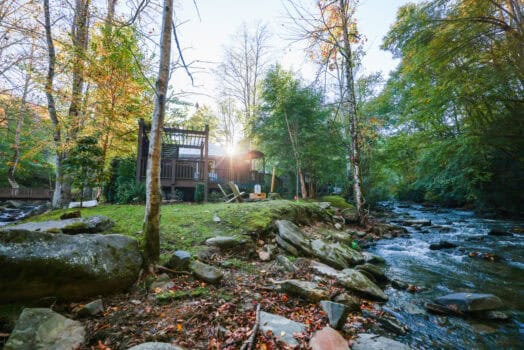
A cabin experience is really the way most people do the Smokies. We have rented VRBO cabins in the hills above Pigeon Forge with hot tubs, game rooms, and mountain views that rival any hotel in the country. Waking up in a log cabin with coffee and a view of the ridgeline is one of the best things about this trip.
Staying on the North Carolina Side: Cashiers, Highlands, and Maggie Valley
This is where the Smokies get really interesting for me personally. My brother lives in Maggie Valley, which means I have a built-in excuse to come back every year. Maggie Valley is a small, unpretentious mountain town tucked into a cove at about 2,600 feet elevation. It is cooler, slower, and far less touristy than the Tennessee side. From here, the Blue Ridge Parkway is minutes away, and Asheville is a 45-minute drive.
Cashiers and Highlands sit even higher — at roughly 3,500 and 4,100 feet respectively — on what locals call the Highlands-Cashiers Plateau. These two towns are where the old money of the Southeast has been summering for generations, and the dining and shopping reflect it. When Florida summers feel genuinely punishing, this is where I come to remember what a pleasant temperature feels like.
Old Edwards Inn & Spa in Highlands is the crown jewel of accommodations in this entire region. A Relais & Châteaux property anchoring Highlands’ Main Street since 1878, it has been meticulously renovated into a genuine luxury resort spanning several blocks. The rooms and cottages blend European elegance with mountain charm — heated bathroom floors, stone fireplaces, plush robes, and private garden views. The spa is world-class. The dining program, led by farm-to-table menus sourced largely from the resort’s own gardens and greenhouse, is the best food you will eat in the mountains. Book well in advance, especially for fall. If you don’t stay here, at least have a glass of wine in the garden.
Find Cashiers mountain rentals where you will find gorgeous privately owned homes and cottages with mountain views, fireplaces, and the kind of quiet that you genuinely cannot buy at a resort.
What to Do: Inside the Park
Cades Cove: Bear Watching and Mountain History
If you do only one thing inside Great Smoky Mountains National Park, make it Cades Cove. This 11-mile one-way loop winds through a wide, open valley surrounded by mountains, past pioneer cabins, three historic churches, cantilevered barns, and a working gristmill. It is also the single best place in the park to see wildlife.
I have watched black bears in Cades Cove more times than I can count. There is something deeply satisfying about sitting in a car at the edge of a meadow at dusk, watching a mother bear lead her cubs through the tall grass while the mountain light goes gold behind them. The trick is timing: arrive before 9 a.m. or after 5 p.m. for the best wildlife encounters and the thinnest crowds. Bears are especially active in spring (emerging from hibernation) and late summer into fall (foraging heavily before winter). Keep 50 yards between you and all wildlife — the park enforces this strictly.
Note that Laurel Falls Trail is closed for reconstruction through approximately June 2026. A good alternate is the Lynn Camp Falls trail, a shorter 1.3-mile walk to beautiful cascading waterfalls. Cades Cove is also closed to vehicles on Wednesdays between May and September, when it becomes a cyclists’ and walkers’ paradise.
Scenic Drives
Newfound Gap Road (U.S. 441) is the park’s main artery, a 33-mile route connecting Gatlinburg, Tennessee to Cherokee, North Carolina at the highest drivable point in the park (5,046 feet). The views from Newfound Gap overlook are some of the best in the eastern United States. On a clear day, you can see for miles across rolling blue ridges. Bears are frequently spotted along this corridor as well.
Roaring Fork Motor Nature Trail is a five-mile loop near Gatlinburg that winds through old-growth forest, past historic cabins, and to Grotto Falls — a 25-foot waterfall where the trail actually passes behind the water. The 2.6-mile round-trip hike to Grotto Falls is one of the most rewarding short hikes in the park.
Foothills Parkway offers panoramic views of the Smokies and Tennessee Valley from a ridge above the park, with multiple pull-offs and a peaceful atmosphere. Considerably less crowded than the main park roads and spectacular at sunrise.
Hiking
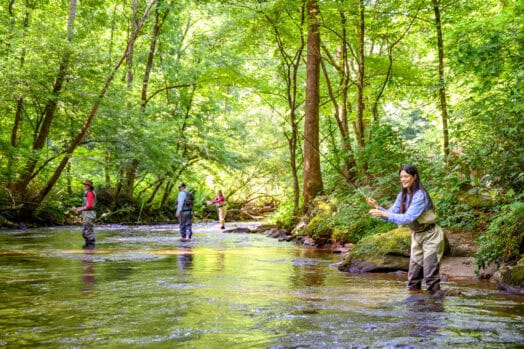
The Smokies offer trails for every ability level, from paved half-mile strolls to multi-day backcountry routes. A few highlights:
Alum Cave Trail (4.6 miles roundtrip) is one of the most varied and beautiful hikes in the park, passing through arched roots, past geological formations, and to sweeping mountain views. Moderate difficulty.
Abrams Falls (5 miles roundtrip) starts from the Cades Cove loop and ends at a stunning 20-foot waterfall with a large pool. Plan two to three hours.
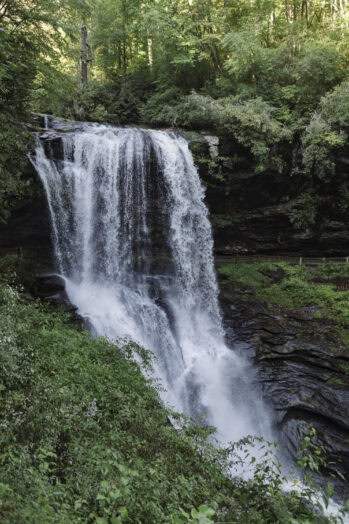
Chimney Tops Trail offers one of the most dramatic summit views in the park. Note that the summit area was damaged in a 2016 wildfire and has been under periodic restoration — check NPS conditions before your visit.
For guided hiking experiences, book a guided Smoky Mountains hiking tour.
Dollywood
If you are traveling with children or simply love a world-class theme park set against an extraordinary mountain backdrop, Dollywood in Pigeon Forge is genuinely worth a day. The park blends thrill rides with Appalachian craft demonstrations, live music, and Dolly Parton’s singular warmth woven into every corner of the property. The food program is also better than you would expect from a theme park — look for the open-pit barbecue and fresh kettle corn. Book Dollywood tickets in advance.
Shopping and Small Town Exploring
Gatlinburg’s main strip has the expected souvenir shops, fudge stands, and taffy pullers, but there are genuinely interesting craft galleries and working artisan studios among the tourist noise. The Arrowmont School of Arts and Crafts has a beautiful gallery showcasing regional Appalachian craft traditions.
Highlands and Cashiers on the North Carolina side offer an entirely different shopping experience — antique galleries, fine art dealers, high-end home goods stores, and independent boutiques catering to the second-home crowd. Main Street in Highlands is walkable, gorgeous, and surprisingly sophisticated for a mountain town of a few thousand people.
Asheville’s River Arts District and downtown are worth a full afternoon of gallery hopping, local shopping, and browsing the city’s excellent independent bookstores.
Check out all the great activities in the Great Smoky Mountains
A Day Trip to Asheville
When I am based on the North Carolina side, an Asheville day trip is almost mandatory. The city has become one of the most celebrated food destinations in the American South, with multiple James Beard Award-winning and nominated restaurants, a Michelin Guide recognition program that launched in 2025, and a food scene that punches well above the city’s size.
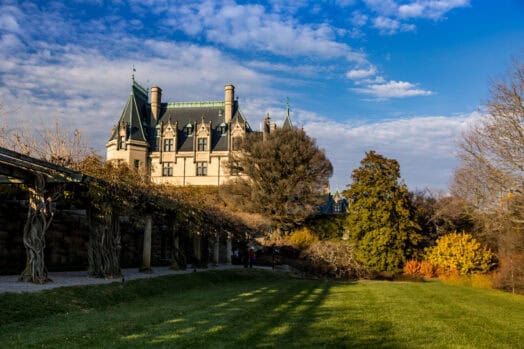
The River Arts District is a former industrial corridor now filled with working artists’ studios and galleries — plan two to three hours to wander properly. Downtown Asheville has excellent independent shopping, a thriving craft beer scene anchored by breweries like Wicked Weed and New Belgium, and the Biltmore Estate just outside town for anyone interested in Gilded Age architecture.
For a day trip from Maggie Valley, Asheville is about 45 minutes. From Highlands or Cashiers, plan closer to an hour to 90 minutes.
Find tours and experiences in Asheville
Where to Eat Across the Region
Gatlinburg and Pigeon Forge
The Peddler Steakhouse (820 River Rd, Gatlinburg) is the classic, long-running Gatlinburg dining institution — high-quality steaks cut to your specification, a salad bar that is genuinely good, and a setting above a rushing mountain stream. Not remotely fancy, completely satisfying.
The Greenbrier Restaurant (370 Newman Rd, Gatlinburg) is the Peddler’s equal and perennial rival for best in town. Both are worth trying; between the two, you cannot really go wrong.
The Park Grill (1110 Parkway, Gatlinburg) is a large, well-executed mountain lodge-style restaurant with good steaks and reliable Southern sides. Popular with families.
Cherokee Grill (1002 Parkway, Gatlinburg) is a local favorite with a broad menu and consistently good quality.
Chesapeake’s (1014 Parkway, Gatlinburg) is the best seafood option in Gatlinburg — an impressive feat given how far inland we are, but they do it well.
Highlands and Cashiers
Old Edwards Inn restaurants — The dining program here is the best food in the mountains. Madison’s is the flagship fine dining experience, with a farm-to-table menu featuring seasonal ingredients from the resort’s own gardens. The Wine Garden is a lovely outdoor setting for lunch or lighter bites. Four65 Woodfire Bistro + Bar across the street does outstanding Neapolitan-style pizza and creative charcuterie. The Hummingbird Lounge, with its historic wood paneling and jazz, is one of the most civilized places to have a cocktail anywhere in the Southeast.
Canyon Kitchen at Lonesome Valley (Cashiers) is widely considered the best restaurant in the Cashiers area — a beautiful, rustic setting with an ingredient-driven Southern menu. Reservations essential.
The Orchard (Cashiers) is a beloved local staple with a warm, cozy atmosphere. The mushroom ravioli and Orchard chicken are consistently excellent.
Oak Steakhouse Highlands (between Highlands and Cashiers) is a newer addition with a gorgeous interior featuring original granite stone fireplaces and a menu built around Certified Angus Beef and local ingredients.
Highlands Supper Club is a charming option in a historic log cabin with classic Southern comfort food, good bourbon, and an old-fashioned atmosphere that feels entirely right in the mountains.
Whiteside Brewing Company (Cashiers) is the best spot for a casual beer and solid pub fare after a day of hiking.
Asheville
Asheville’s food scene deserves its own post, but for a day trip, these are the places that merit the drive:
Chai Pani is a two-time James Beard Award winner serving Indian street food in a vibrant, casual space. The chaat, uttapam, and vada pav are outstanding. Expect a wait even after its expansion to a 10,000-square-foot space on the South Slope.
Curate Bar de Tapas is a Spanish tapas bar in downtown Asheville from a James Beard-recognized team. Excellent wine list and some of the most carefully executed small plates in the city.
The Market Place is Asheville’s original farm-to-table restaurant, open since 1979, with Chef William Dissen at the helm. Multiple James Beard nominations and a menu that reads like a love letter to Western North Carolina’s farms.
Neng Jr.’s is an intimate 18-seat Filipino-American restaurant that has earned national attention — Eater named it among America’s best new restaurants, and Chef Silver Iocovozzi was a James Beard finalist for Best Chef: Southeast. Reservations are essential and book quickly.
Good Hot Fish is Chef Ashleigh Shanti’s fish camp-inspired concept, a 2025 James Beard Award winner. Fresh, fried, and deeply rooted in Southern coastal tradition.
Maggie Valley
Maggie Valley is not a food destination in the way Asheville or Highlands is, but a few spots are worth noting. The area around Waynesville (10 minutes from Maggie) has some genuinely good independent restaurants and a charming Main Street. It is worth a slow drive through.
Practical Tips for Your Trip
The park is free to enter but requires a parking tag ($5/day, $15/week, or $40/annual) if you stop for more than 15 minutes anywhere in the park. Get an annual pass if you plan multiple visits — it pays for itself quickly.
Cell service is limited in much of the park. Download offline maps before you go, and consider downloading audio tour apps while you have signal.
Wildlife safety: Keep 50 yards from bears and elk, 25 yards from other wildlife. Never feed any animals. Bears in the Smokies are wild and should be treated as such — the park has more than 1,500 black bears.
Road closures: Some roads close seasonally in winter. Always check the NPS website or call ahead before making Cades Cove or Newfound Gap Road the centerpiece of your plans in December through February.
Book accommodations early for fall. October in the Smokies is genuinely extraordinary, and it books out months in advance. If fall foliage is your goal, plan at least three to four months ahead.
Travel Insurance
Any time I travel — even for a domestic trip that feels routine — I protect my investment with Travel Insurance Master. Mountain weather can shift quickly, itineraries change, and having coverage for cancellations, medical emergencies, and travel delays is always worth it. Get a quote for your Smoky Mountains trip here.
Frequently Asked Questions About the Great Smoky Mountains
What is the best time to visit the Great Smoky Mountains? Spring (April through May) is ideal for wildflowers and moderate crowds. Fall (mid-September through October) offers the famous foliage but requires advance booking. Summer is busiest; winter is quietest and most affordable.
Is the Great Smoky Mountains National Park free? Yes. It is one of the few major national parks with no entrance fee. However, a parking tag ($5/day) is required if you stop for more than 15 minutes anywhere in the park.
Where is the best place to see bears in the Smoky Mountains? Cades Cove is the most reliable spot for bear sightings, especially in the early morning and late afternoon. Newfound Gap Road and Little River Road are also excellent. Visit at dawn or dusk for the best odds.
What is the difference between staying in Gatlinburg vs. Pigeon Forge? Gatlinburg is better for park access, hiking, and a more authentically mountain-town atmosphere. Pigeon Forge is better for families, with Dollywood, dinner theaters, and more commercial entertainment options.
Is it better to stay in Tennessee or North Carolina for the Smoky Mountains? Tennessee (Gatlinburg/Pigeon Forge) gives you the best access to the national park. North Carolina (Asheville, Highlands, Cashiers, Maggie Valley) offers a more elevated, quieter mountain experience with superior dining and less crowding. I love both sides for different reasons, and if time allows, doing both makes for an exceptional trip.
What are the best hikes in Great Smoky Mountains National Park? For beginners: Grotto Falls (2.6 miles roundtrip) and Laurel Falls (currently closed through June 2026; alternate is Lynn Camp Falls). For intermediate hikers: Alum Cave Trail (4.6 miles) and Abrams Falls (5 miles). For the views: Chimney Tops (check NPS conditions first).
How do I protect my trip to the Great Smoky Mountains? I always recommend travel insurance for any trip, even domestic travel. Travel Insurance Master offers comprehensive coverage for cancellations, medical emergencies, and travel disruptions.