
Milan, Italy: A Guide to Eating, Exploring, and Falling in Love With the City (2026)
This post contains affiliate links. If you click a link and make a purchase, I may earn a small commission at no extra cost to you. I only recommend properties and experiences I genuinely believe in and would recommend to friends.
I lived in Milan for three years with my family, and I will tell you something that most travel guides get completely wrong about this city: Milan is not the reluctant stop between Rome and Lake Como. It is a destination in its own right, and for food lovers especially, it may be the most rewarding city in all of Italy.
My husband was offered an opportunity to live in Milan for a few years so we jumped at the chance! My husband’s grandparents were Sicilian so he had a good grasp of the language. Me? Not so much. But we enrolled our young children in Italian school and before we knew it, we were integrating well.
By the time we left, we had neighborhood bars where they knew our order, a butcher who slipped us cuts off the menu, a panetteria we visited every Saturday morning like it was church, and a deep, embarrassing love for Campari spritzed with soda at six in the evening in any piazza that would have us. I have been back many times since we returned to the States, and every visit reminds me why Milan deserves far more credit than it typically gets.
If you are planning a trip to Italy in 2026, pay attention. CNN named Milan its top Italy pick for the year, noting that the city has long been misunderstood and underestimated. I have been saying this for years. Everyone heads straight to Rome, but Milan is a destination worthy of your vacation. Now is the time to go.
Why Milan Deserves More Than an Overnight Stop
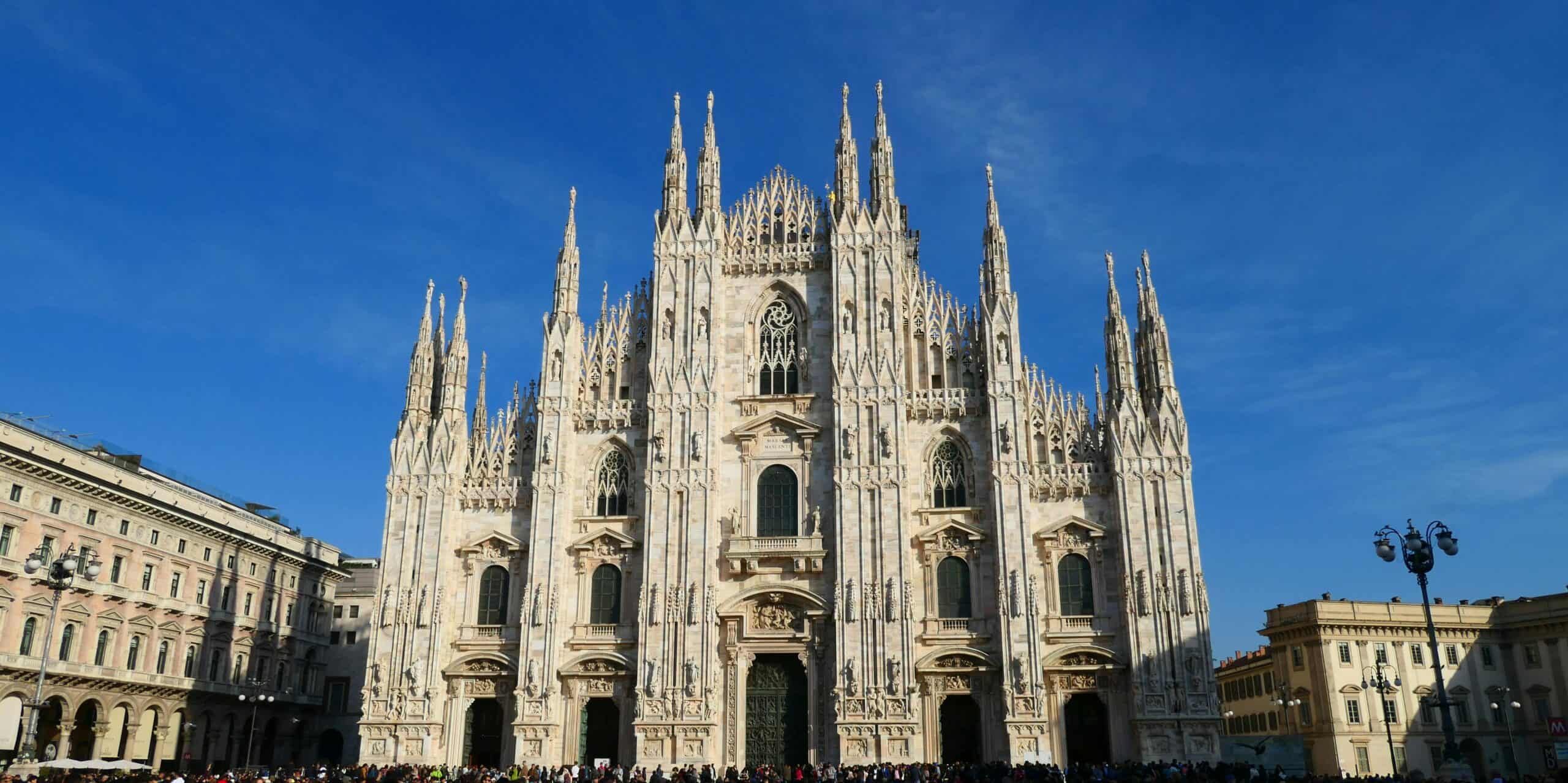
Most travelers treat Milan like a layover. They breeze through the Duomo, snap a photo in the Galleria, eat a plate of risotto, and catch a train to Venice. This is a tragedy I am personally invested in helping you avoid.
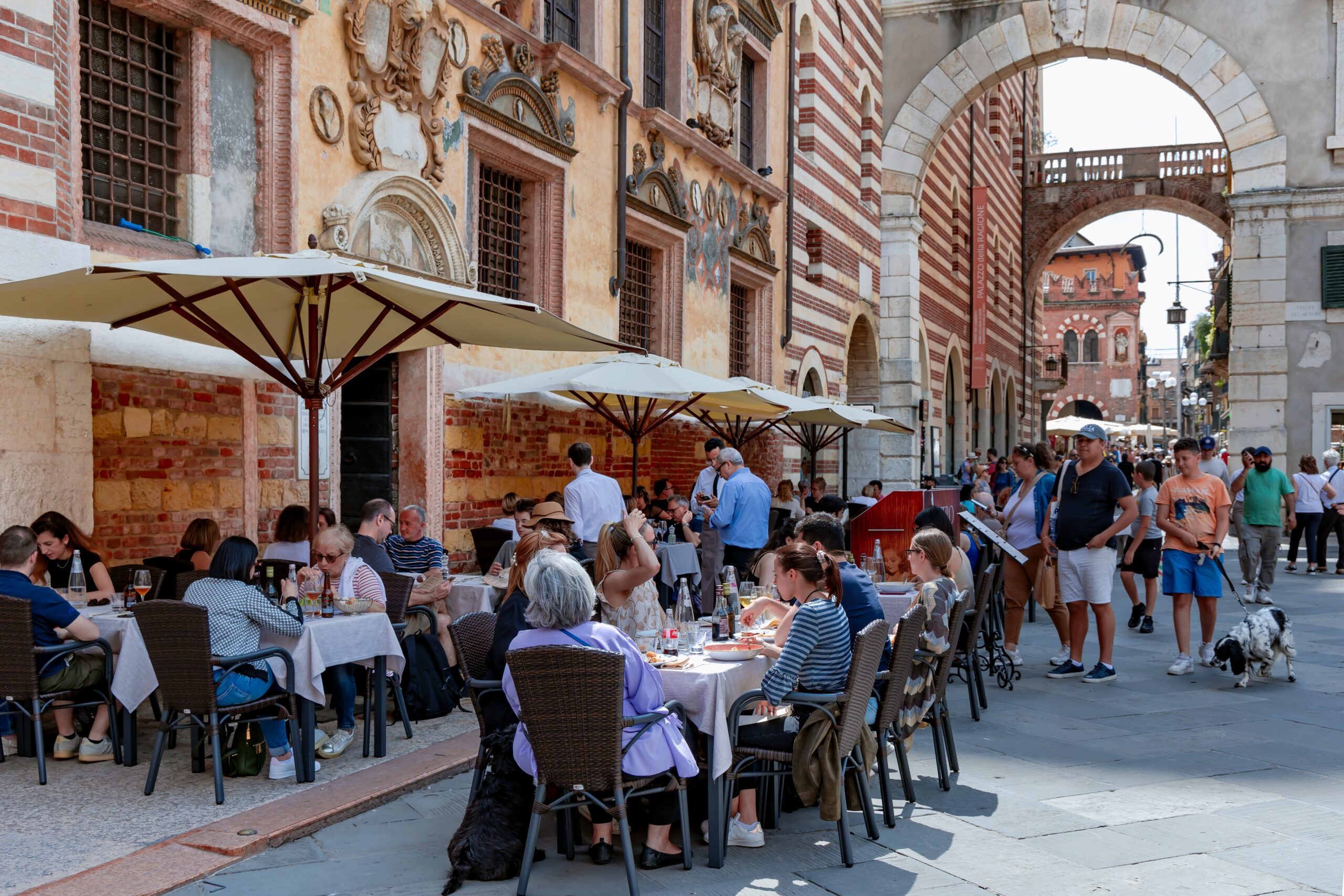
The Milan I know is the city of Navigli on a warm Tuesday evening, when the canal-side aperitivo scene turns into an impromptu block party. It is a Sunday morning market in the Isola neighborhood, where locals pile into small stalls selling cheese and cured meats with the same urgency Americans reserve for Black Friday sales. It is a city of extraordinary contemporary restaurants sitting two streets from medieval churches, of espresso culture so specific that ordering at the bar rather than sitting down saves you eight euros and approximately forty minutes of feeling like a tourist.
Milan rewards the traveler who slows down and pays attention. It punishes those who only skim the surface.
Where to Stay in Milan
One of the biggest mistakes travelers make in Milan is staying too close to Centrale Station simply because it looks convenient on a map. When we lived in Milan, I learned very quickly that neighborhood atmosphere shapes your entire experience of the city. I lived just blocks from Centrale and it’s really not a great area to base yourself. Milan is not Rome where you spend all day monument hopping. It is a city of cafes, aperitivo bars, markets, neighborhood walks, and lingering dinners. Where you stay matters.
Brera is still my top recommendation for first-time visitors. This is the Milan I fell in love with when we lived there — cobblestone streets, ivy-covered buildings, tiny wine bars tucked into side streets, and locals who actually live there rather than tourists rolling suitcases over ancient stone at all hours. It is central enough to walk almost everywhere but still feels deeply residential. On weekend mornings, I used to wander through Brera grabbing espresso and pastries while the city slowly woke up around me.
Milan hotels for luxury travelers
Bulgari Hotel Milano is one of the most beautiful hotels in the city, hidden behind a private garden near Brera.
🍷 See why this is the “IT” hotel in Milan
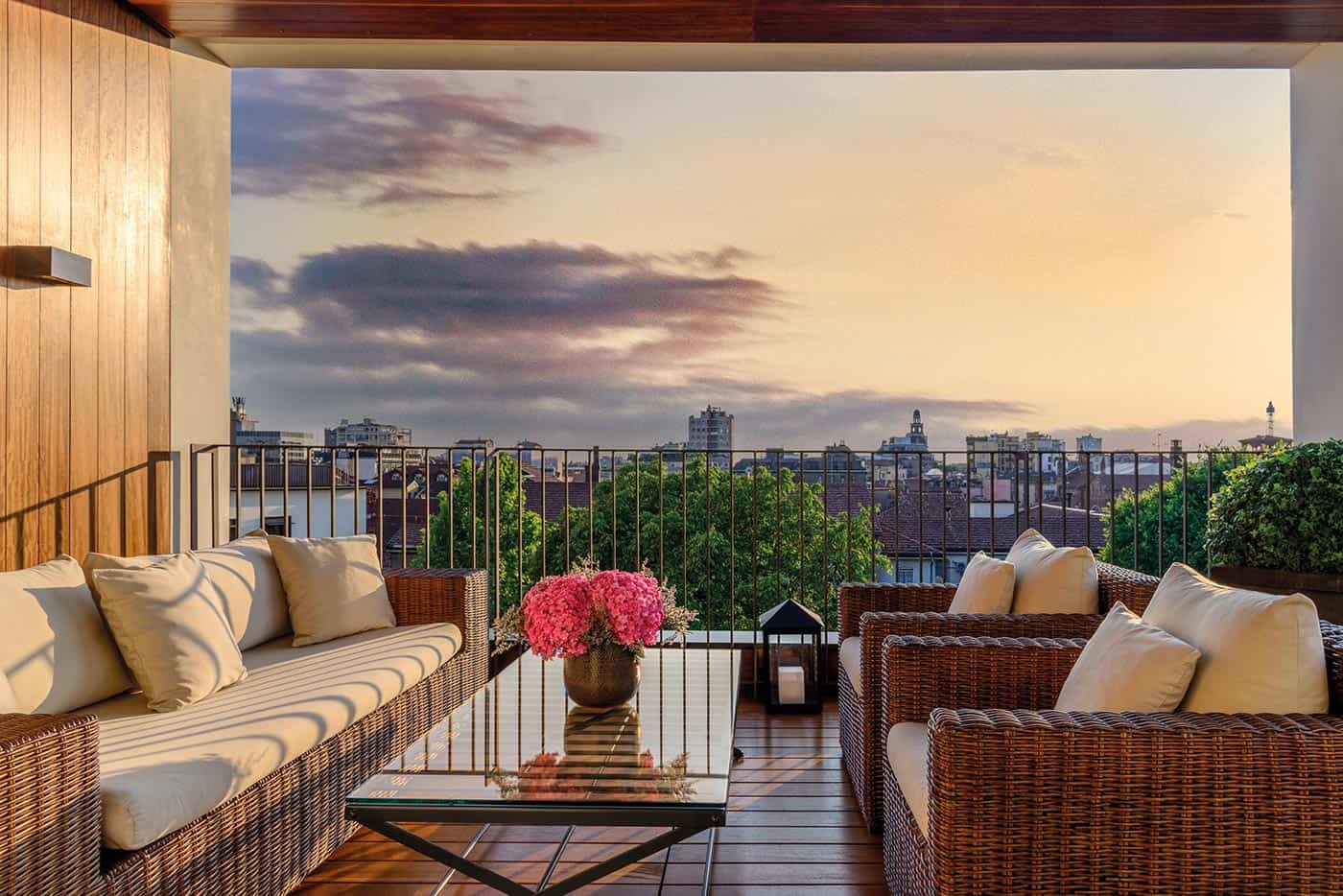
Portrait Milano has also become one of Milan’s standout luxury stays, combining fashion-house elegance with an incredible central location near the Quadrilatero della Moda.
🍷 Reserve your room before prices climb for the season

If you want boutique luxury without the major splurge pricing
Senato Hotel Milano is elegant, calm, and perfectly positioned between Brera and the Duomo.
🍷 Plan your vacation while rates are still reasonable
Casa Baglioni Milan also feels wonderfully Milanese, with a more intimate atmosphere than the larger luxury properties.
🍷 See why travelers love staying here
For travelers focused heavily on food and nightlife
Navigli is ideal. The canal district comes alive at aperitivo hour, and some of my favorite evenings in Milan happened spontaneously there — ordering a Campari soda, watching locals crowd onto the sidewalks, and somehow turning “one drink” into a four-hour dinner.
Magna Pars l’Hotel à Parfum is a beautiful boutique option nearby with a more creative, artistic feel.
🍷 Treat yourself to the stay you actually want
Porta Venezia is another area I recommend often, especially for repeat visitors. It has become one of Milan’s most exciting food neighborhoods, filled with cocktail bars, bakeries, natural wine spots, and restaurants reflecting Milan’s increasingly international food scene. The area feels younger, more local, and slightly less polished in the best possible way.
If you prefer classic grand hotels
The iconic Park Hyatt Milan remains one of the best addresses in the city directly beside the Galleria
🍷 Check into one of the most-loved stays in Milan

Hotel Principe di Savoia (adjacent to my former apartment) still delivers that old-world Milan glamour that feels straight out of a Fellini film.
🍷 This is where to stay if you want the full experience
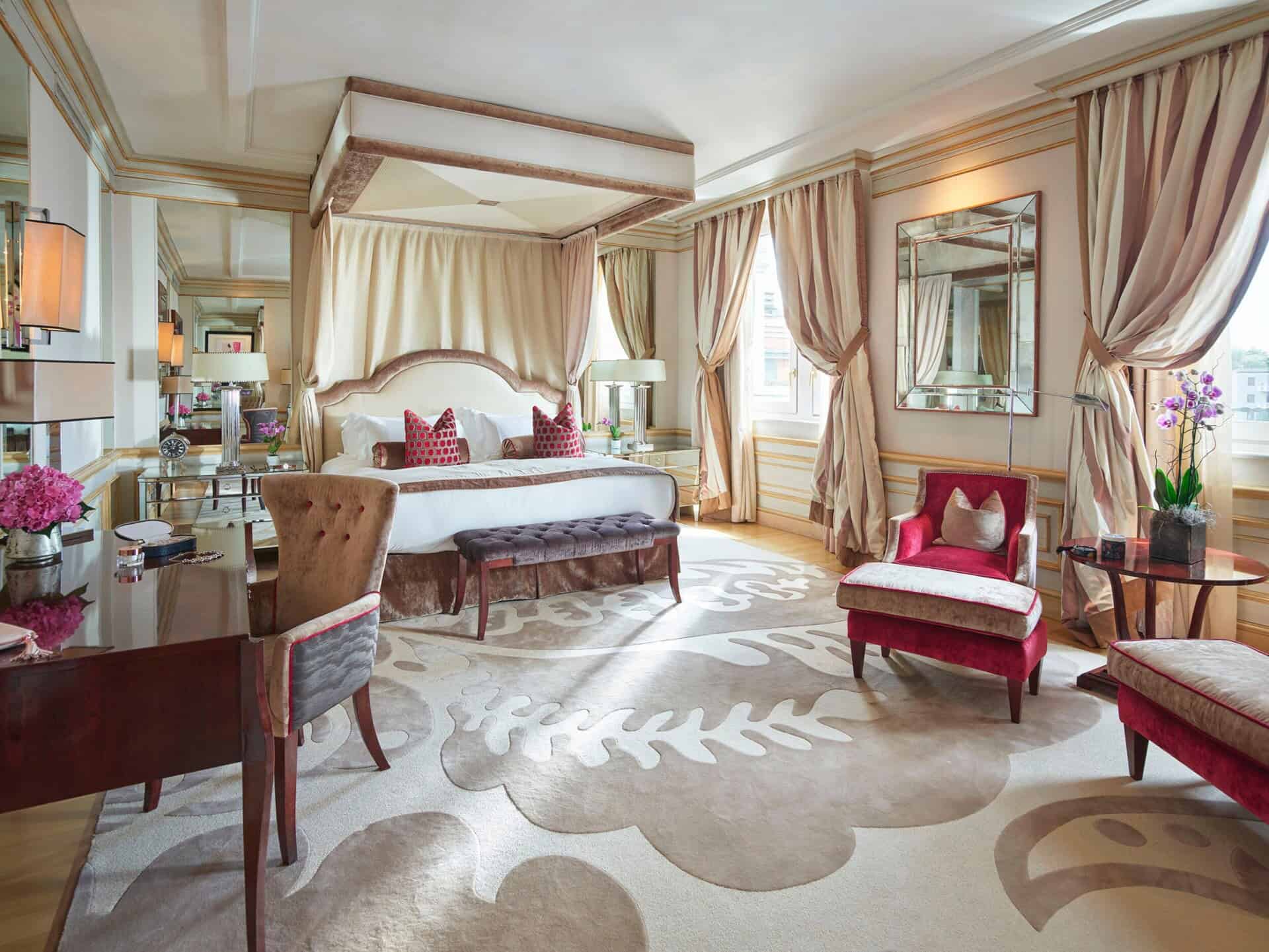
🍷 Check out all of the hotels in Milan and find the perfect one for your stay
What to Eat in Milan: The Honest Local’s List
Let me be clear: Milan does not have simple food. Lombardy cuisine is rich, particular, and deeply tied to land and season in a way that the rest of Italy sometimes overlooks. Here is what you absolutely must eat while you are there.
Risotto alla Milanese
This is the dish. Saffron-gilded risotto with a depth of flavor that takes most home cooks years to replicate, because the secret is in the quality of the Carnaroli rice, the saffron, and the patience. Order it everywhere you go and develop opinions about it. I did.
Cotoletta alla Milanese
Yes, it looks like a schnitzel. No, it is not. The Milanese version is bone-in, beaten thin, breaded in fine crumbs, and fried in butter until it is just barely golden. It is served with lemon and absolutely nothing else. Do not ask for sauce. Do not.
Osso Buco
Braised veal shank with gremolata, typically served with that same saffron risotto. This is cold-weather food, belly-warming and complex. Even in spring, if a restaurant has it on the menu, I order it.
Panettone
I know you think panettone is a Christmas thing. In Milan, it is a year-round point of civic pride. Locals debate bakeries the way Neapolitans debate pizza. Go to a proper pasticceria and taste the difference between mass-produced and the real thing.
Aperitivo Done Right
Aperitivo in Milan is a cultural institution. Between roughly six and nine in the evening, most bars set out a buffet of small bites — olives, bruschetta, cured meats, occasionally hot dishes — included with the price of your drink. This is dinner. Nobody will tell you that, but it is absolutely dinner. Order a Campari soda, an Aperol spritz, or a Negroni, and proceed accordingly.
Milan for Food Lovers
If Rome is about pasta traditions and Florence is about Tuscan simplicity, Milan is about refinement, ritual, and northern Italian depth of flavor. Living there completely changed how I understood Italian food culture because Milanese cuisine is quieter and more nuanced than the bold tomato-heavy dishes many visitors expect from Italy. Milan is a city where people debate risotto the way New Yorkers debate pizza.
Some of my favorite memories from living there are not from famous restaurants at all, but from tiny neighborhood spots where the same older men gathered every afternoon for Campari and plates of salumi. We had a panetteria near our apartment where I bought focaccia so often the owner stopped asking what I wanted and simply handed me “the usual.”
Food lovers should absolutely prioritize aperitivo culture while visiting Milan. Aperitivo is not simply happy hour here. It is a lifestyle. Around six in the evening, bars across the city begin setting out beautiful spreads of olives, focaccia, risotto bites, cheeses, cured meats, bruschetta, and small hot dishes included with your drink purchase. Some locals genuinely treat it as dinner.
The Navigli district is one of the best places to experience this atmosphere, especially on warm evenings when the canals fill with locals spilling out onto terraces and sidewalks. But some of the best aperitivo bars are actually tucked into Brera and Porta Venezia.
For more formal dining, Milan has one of Italy’s strongest contemporary restaurant scenes. The city blends tradition with innovation better than almost anywhere else in the country. One night you might eat classic osso buco in a century-old trattoria; the next you are dining in a sleek modern restaurant serving experimental tasting menus influenced by Japanese and French technique.
If food is a major focus of your Italy trip, Milan also works beautifully as the starting point for a broader culinary itinerary through northern Italy. From here, you can easily continue toward Bologna, Parma, Modena, Venice, Lake Como, or Piedmont’s wine country. I often tell travelers that Milan is one of the best gateway cities in Europe for food-focused travel.
You should also absolutely book at least one food experience while you are here. Cooking classes, market tours, wine tastings, and guided food walks help travelers understand how different northern Italian cuisine really is from the food traditions farther south in Rome or Naples.
If you are continuing through Italy afterward, my guides to Rome food tours, cooking classes in Italy, and foodie Italy itineraries can help you build a much larger culinary-focused trip.
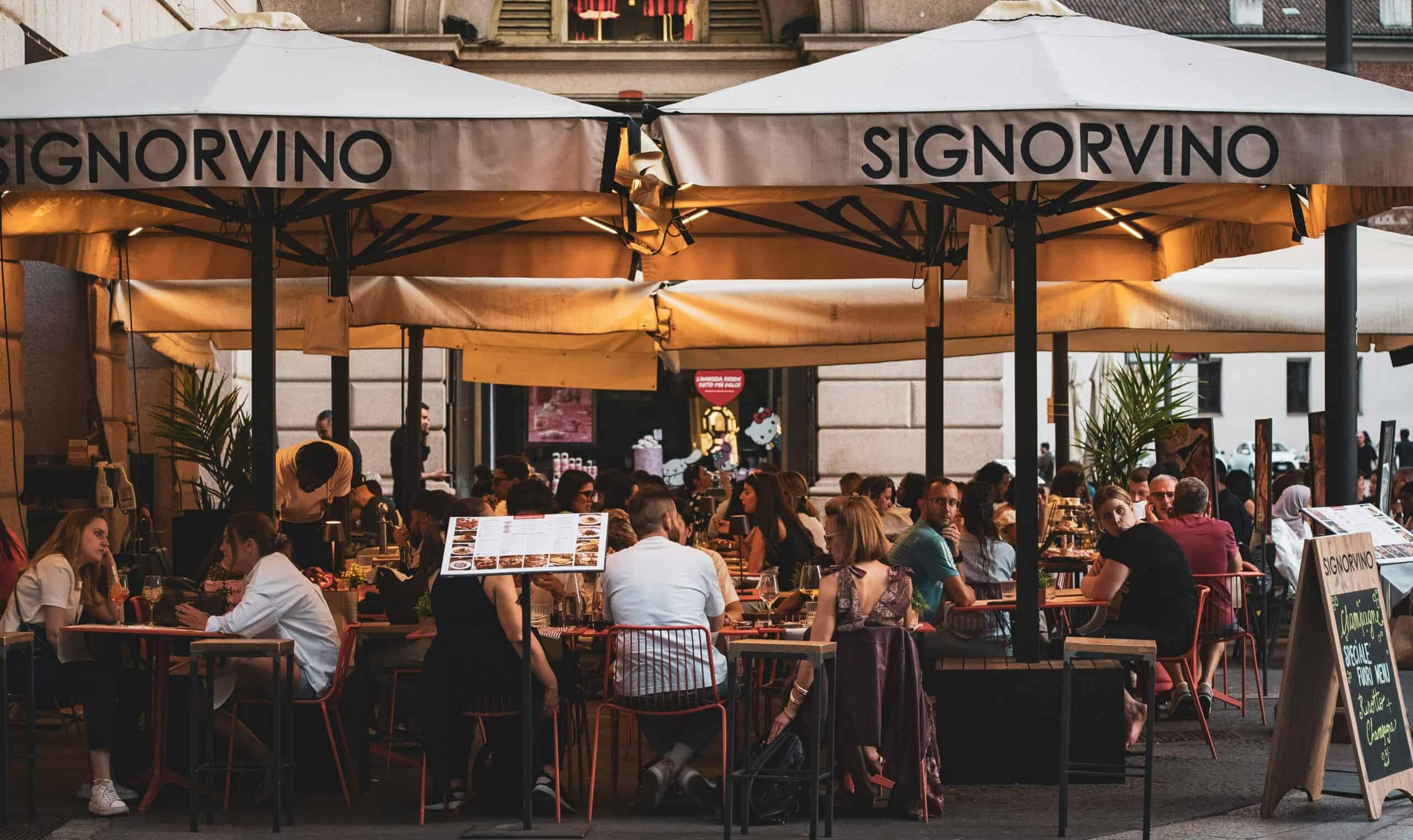
Food Experiences Worth Booking in Advance
Milan has an extraordinary cooking class scene, and I am not talking about tourist-facing demonstrations in a show kitchen. There are real cooking classes here, taught in home kitchens and professional spaces, focused on Lombard technique and northern Italian pantry staples.
The Gnocchi, Pasta, Tiramisù and Wine Class is the best way to experience Milan!
🍷 Book this class early because it is a favorite!
Take a food tour of the city and taste all it has to offer.
🍷 This is Milan’s top-rated food tour.
Navigli is known for its eclectic food scene. Take a daytime tour or experience it at sunset.
🍷 See why tourists rave about this tour
If you really want to understand Northern Italian cuisine, take a cooking class.
🍷 Explore cooking class options in Milan
🍷 Compare the top-rated foodie experiences in Milan
Top Attractions & Tours in Milan
Milan is one of those cities where booking a few experiences in advance genuinely improves your trip, especially because some of the city’s most famous attractions sell out weeks ahead. After living in Milan, I learned that the best way to experience the city is to combine iconic landmarks with food, neighborhood, and local culture experiences.
Duomo Rooftop Tour
If you only book one attraction in Milan, make it the Duomo rooftop terraces. Seeing the marble spires up close with the Alps in the distance is unforgettable, especially early in the morning before the crowds arrive.
🍷 Book skip-the-line Duomo rooftop tickets here
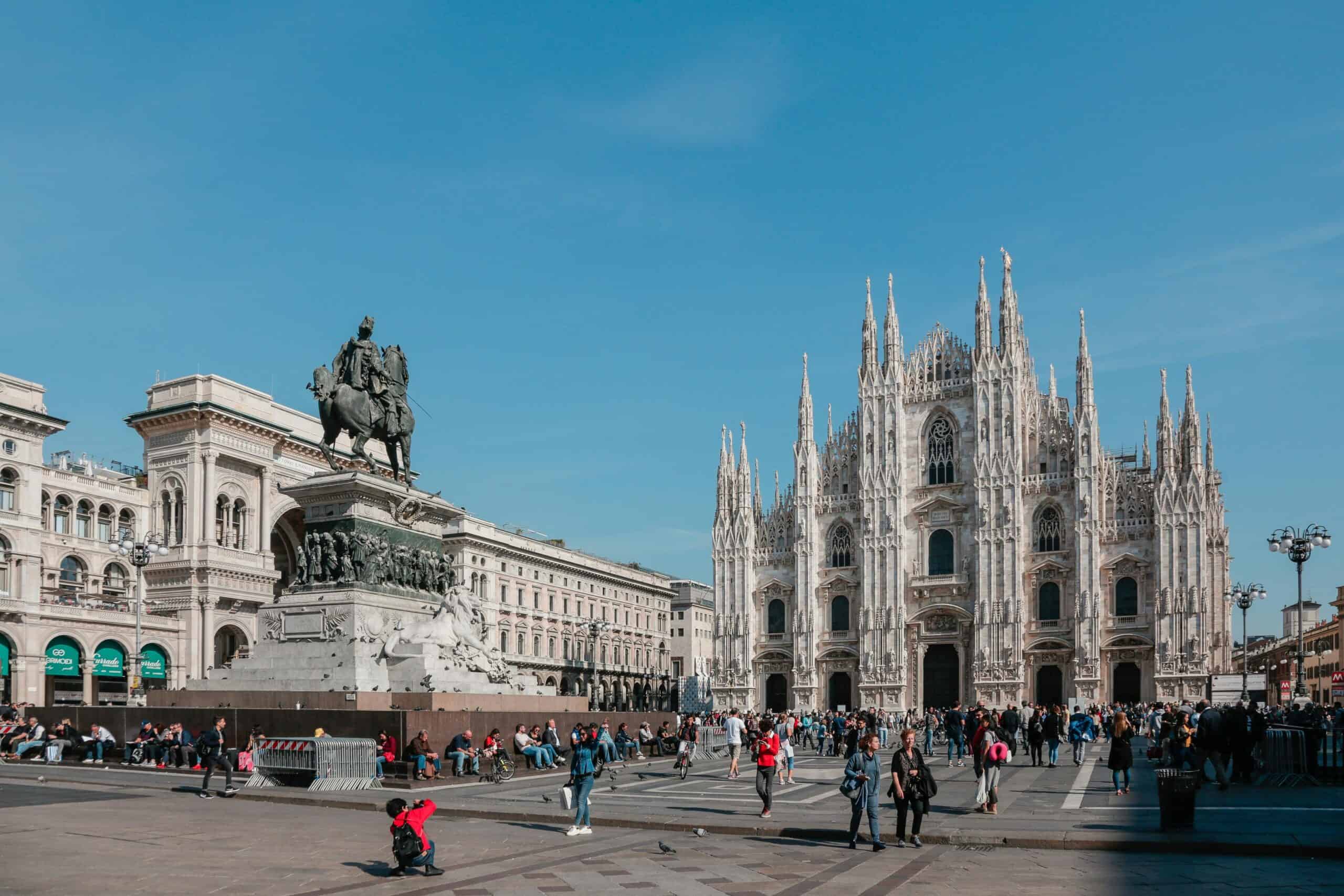
Last Supper Tickets
The Last Supper absolutely requires advance planning. Read that again!! Timed entries are limited and tickets regularly sell out far ahead of time. I have seen disappointed travelers turned away many times.
🍷 Reserve Last Supper tickets here; I highly recommend a skip-the-line small group tour.
Navigli Walking Tours
The Navigli district becomes especially lively in the evenings, but guided tours help visitors understand the history of Milan’s canal system while introducing hidden bars, artisan shops, and local aperitivo culture.
🍷 Book a Navigli walking tour here.
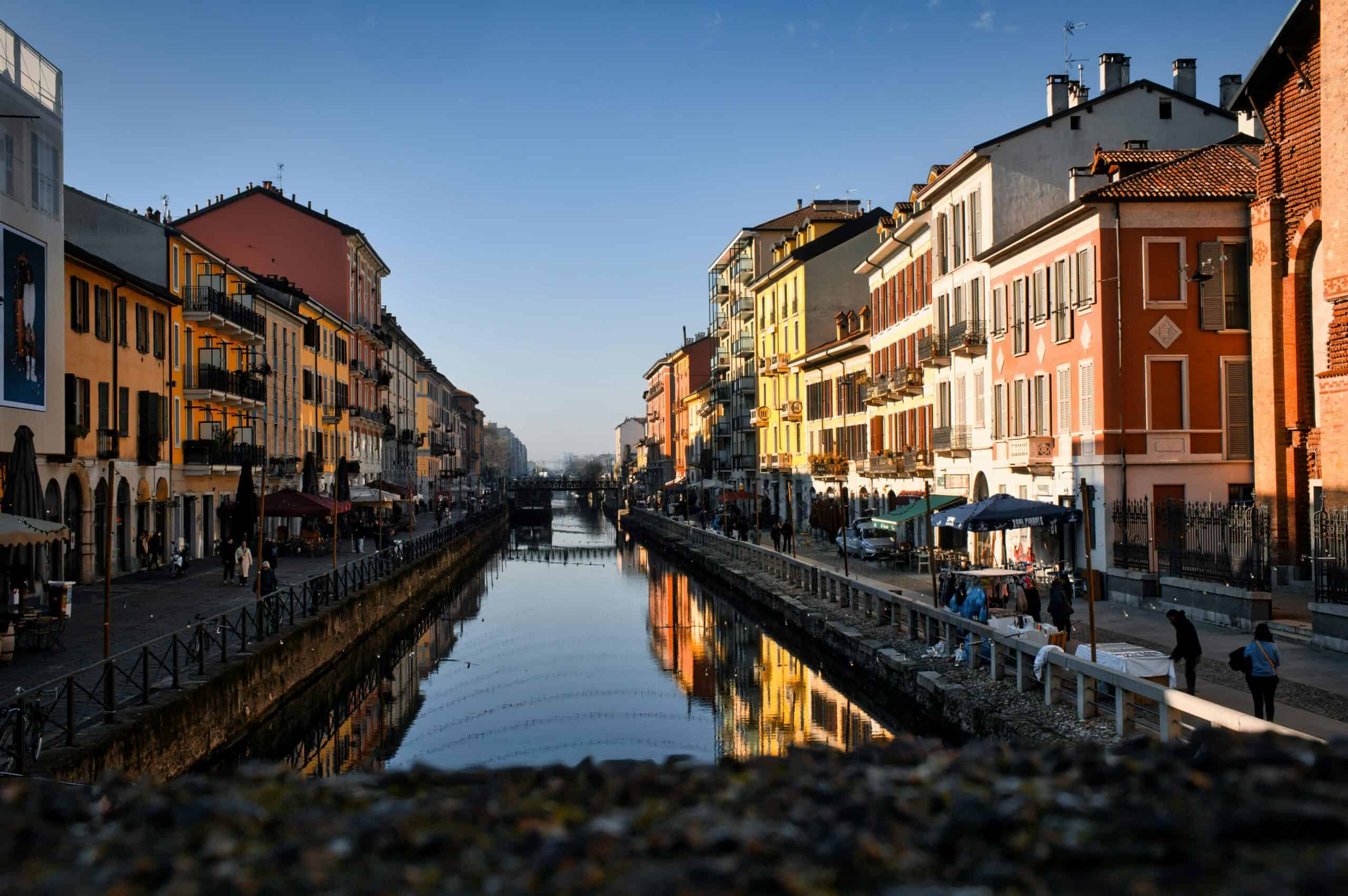
🍷 Compare all of the top-rated Milan tours and excursions.
3 Days in Milan Itinerary
Day 1: Classic Milan + Brera
Start early at the Duomo before the crowds build. Go straight to the rooftop terraces because the views across the city toward the Alps are one of the most underrated experiences in Italy. Even after living in Milan for years, that view still stopped me in my tracks every time.
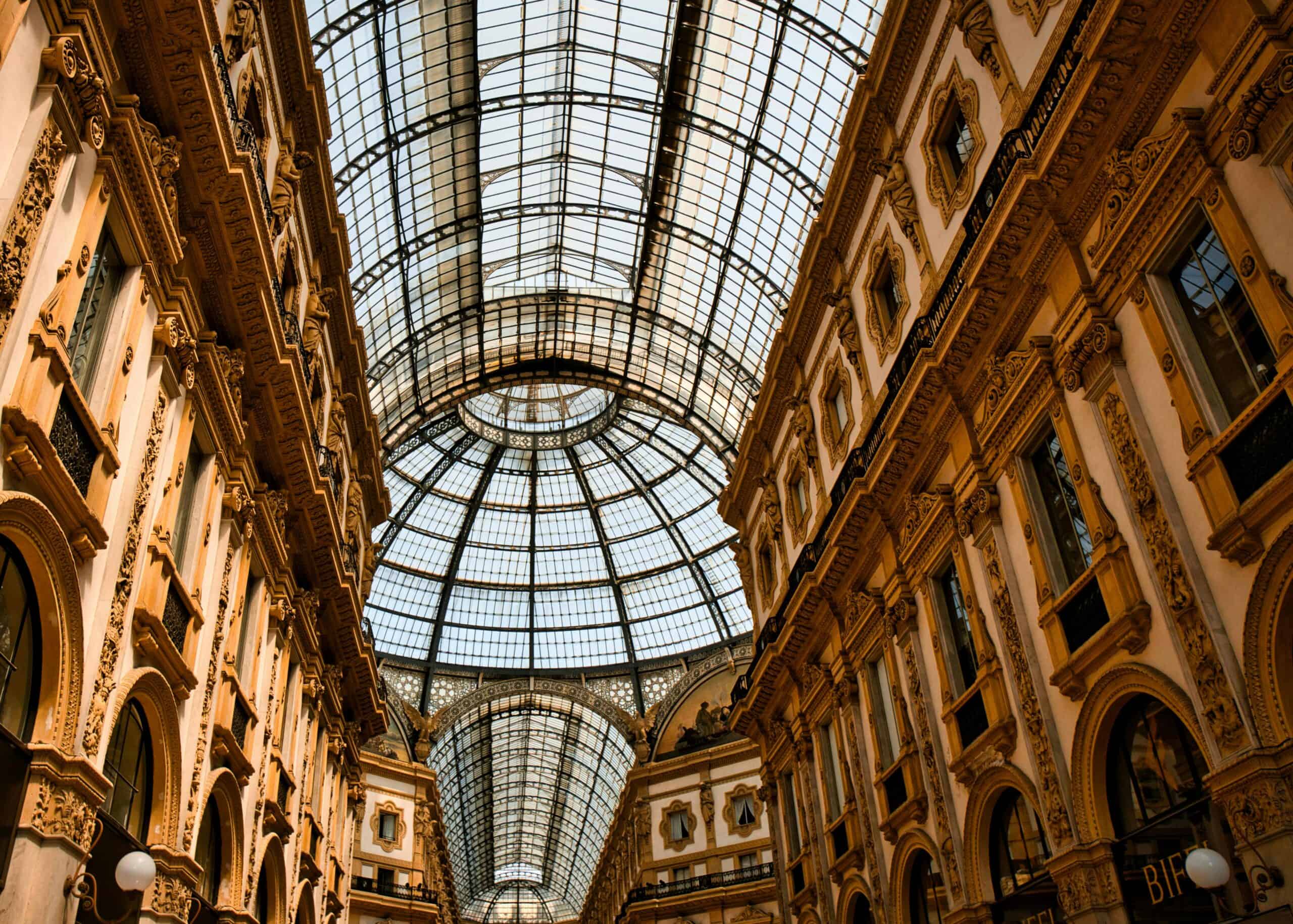
From there, walk through the Galleria Vittorio Emanuele II and stop for an espresso at one of the historic cafes inside. Yes, it is expensive. Yes, you should absolutely still do it.
Spend the afternoon wandering Brera and visiting the Pinacoteca di Brera, one of Italy’s most underrated museums. Then settle into a long aperitivo and dinner in the neighborhood rather than rushing around trying to “see everything.”
Day 2: Food, Markets & Navigli
Spend the morning exploring local markets or booking a Milan food tour. This is one of the best ways to understand Milanese food culture beyond the tourist restaurants near the Duomo.
After lunch, visit the Last Supper at Santa Maria delle Grazie if you were able to secure tickets in advance. Then head toward the Navigli district in the late afternoon.
This is when Milan truly comes alive.
Walk along the canals, browse independent boutiques and antique shops, and settle into aperitivo before dinner. Some of my favorite nights living in Milan began with “just one drink” in Navigli and ended hours later over wine and risotto at crowded neighborhood trattorias.
Day 3: Design, Fashion & Hidden Milan
Spend your final day exploring the side of Milan many travelers completely miss.
Visit Fondazione Prada or the Armani/Silos museum if you enjoy art, architecture, or fashion. Wander through Porta Venezia and Corso Buenos Aires for shopping and people-watching. Stop into bakeries, cafes, and wine bars rather than trying to aggressively sightsee.
If the weather is nice, take the historic tram lines through the city simply to observe everyday Milanese life unfolding around you. Some of my strongest memories from living there are honestly just ordinary moments on trams, overhearing conversations in Italian while carrying groceries home through the city.
End your final evening with a proper Milanese dinner: risotto alla Milanese, osso buco, and a final Negroni or Campari spritz.
Best Day Trips From Milan
One of the reasons Milan works so well as a base is because northern Italy opens up effortlessly from here by train.
Lake Como
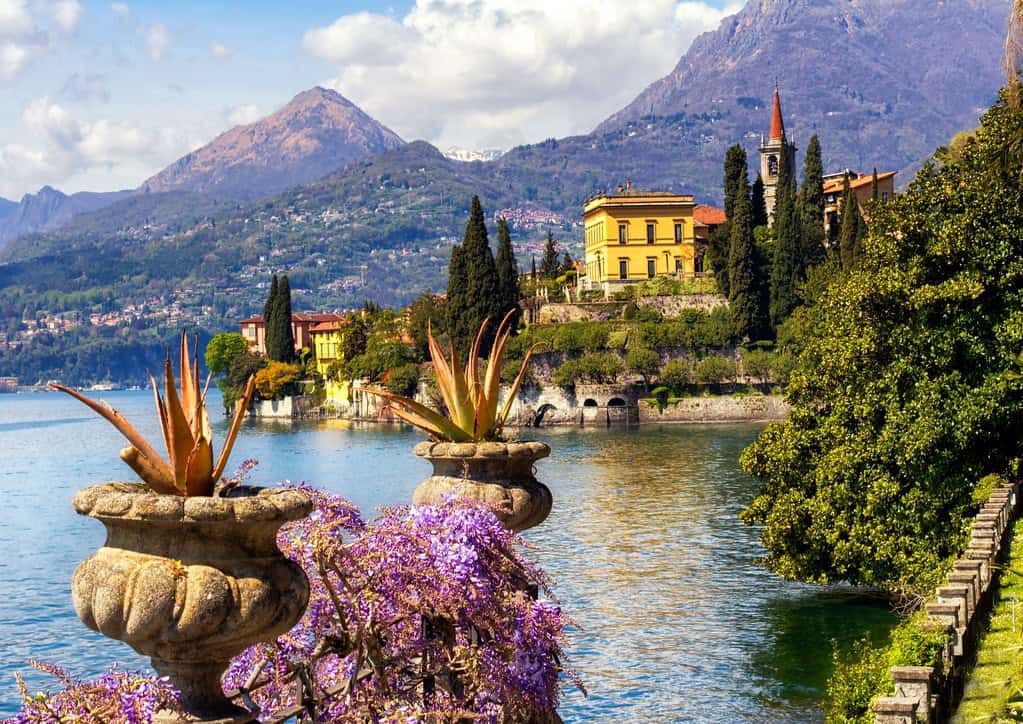
Lake Como is the easiest and most famous lake day trip from Milan, reachable in about an hour from Milano Centrale. Varenna is my favorite town for first-time visitors because it feels calmer and more authentic than Bellagio during peak season. Orangized tours from Milan make logistics incredibly easy and allow you to see multiple towns in a single day without worrying about ferry schedules and train connections. Better yet, spend a night there!
🍷 See Lake Como day trip options here.
Lake Maggiore
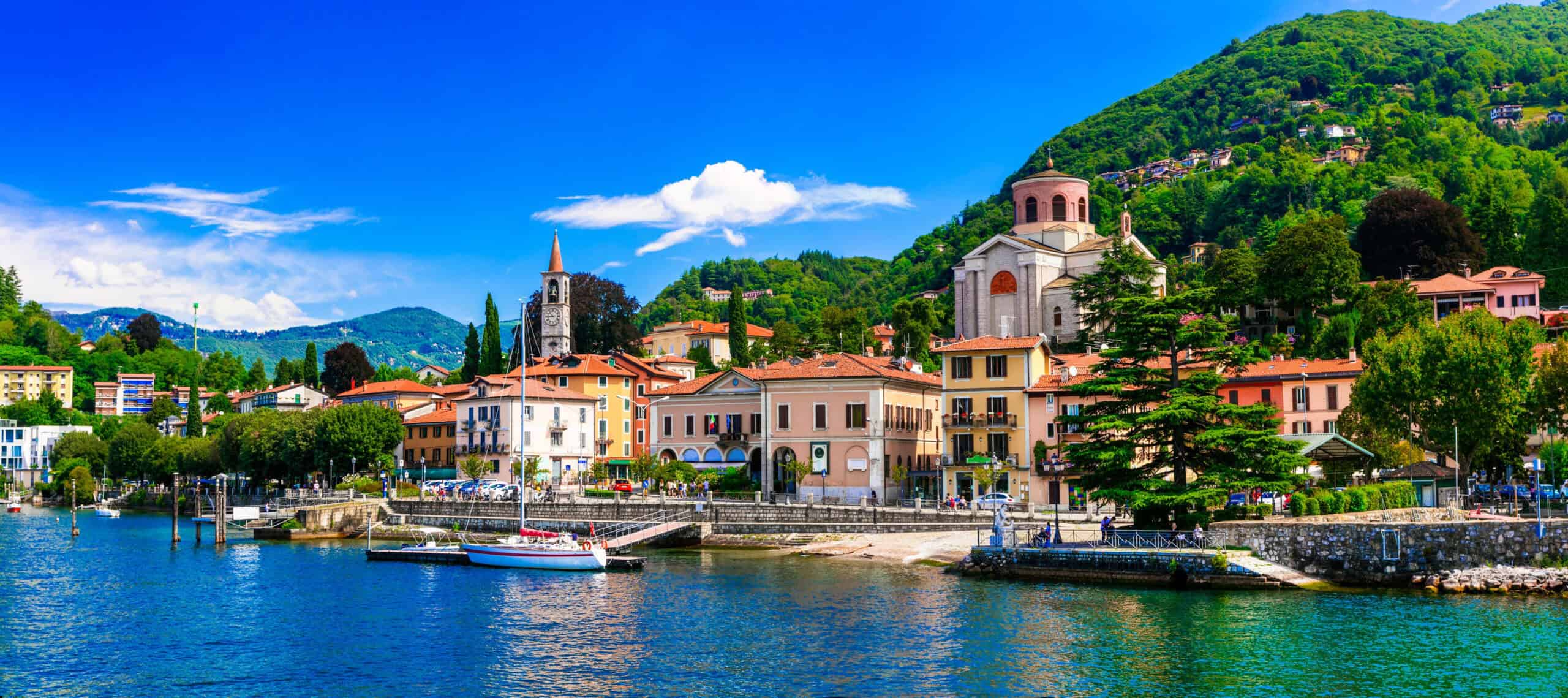
Personally, I still prefer Lake Maggiore. It feels greener, quieter, and less performative than Como. During the years we lived in Milan, this was often the lake we escaped to when we wanted a slower weekend. The Borromean Islands are genuinely spectacular.
🍷 See Lake Maggiore day trip options here.
Bernina Express & Swiss Alps Tours
You’ll be surprised how close Milan is to Switzerland and one of the most spectacular excursions from Milan is the Bernina Express route into the Swiss Alps. Even after years living in northern Italy, this train ride still feels surreal.
🍷 See why this is the most-talked about day trip from Milan and book your Bernina Express tour here
Franciacorta
Wine lovers should absolutely consider Franciacorta, Italy’s premier sparkling wine region. Tastings here are far more relaxed and intimate than many wine experiences in Tuscany.
🍷 Book a wine tasting for your trip
Venezia/Venice
Yes, Venice is possible as a day trip from Milan thanks to Italy’s high-speed trains, though I personally recommend at least one overnight stay if your schedule allows.
🍷 Check train routes to Venezia
Torino/Turin
Turin remains one of the most overlooked food cities in Italy. Chocolate, vermouth, historic cafes, and incredible Piedmontese cuisine make this a fantastic option for food-focused travelers.
🍷 Check train routes to Torino
Northern Italy Itinerary From Milan
One of the best Italy trips I ever recommend to people is a northern Italy itinerary centered around Milan.
7-Day Northern Italy Itinerary
Days 1–3: Milan
Days 4–5: Lake Como or Lake Maggiore
Days 6–7: Venice or Verona
This works exceptionally well for first-time visitors who want a balance of cities, lakes, food, and scenery without constantly packing and unpacking.
10-Day Northern Italy Itinerary
Days 1–3: Milan
Days 4–5: Lake Maggiore
Days 6–7: Venice
Days 8–10: Tuscany or Bologna
This route gives you a wonderful progression through different regional food cultures and landscapes.
Food Lover’s Italy Route
Milan → Parma → Modena → Bologna → Florence → Rome
If your trip revolves around food, this is one of the best culinary routes in Europe. High-speed trains make the logistics incredibly easy.
Train Logistics Around Northern Italy
One of the reasons living in Milan was so wonderful is that train travel in northern Italy is genuinely easy.
Milan to Lake Como: about 1 hour by train
Milan to Lake Maggiore: 1–1.5 hours depending on destination
Milan to Venice: about 2.5 hours on high-speed rail
Milan to Rome: under 3 hours on Frecciarossa trains
Milan to Florence: under 2 hours
Milan to Bologna: about 1 hour
Honestly, we rarely drove unless we were heading deep into wine country or smaller villages. Italy’s train system makes multi-city itineraries remarkably smooth, especially compared to trying to navigate parking and ZTL driving restrictions in historic centers.
One of my favorite memories from living there was boarding early morning trains out of Milano Centrale with a coffee in hand, watching Lombardy slowly unfold outside the window as we headed toward the lakes or another long weekend somewhere else in Italy.
Best Time to Visit Milan
April through June is my top recommendation, full stop. The weather is warm without being oppressive, the city is in full bloom, and the energy is extraordinary — especially if you happen to be there during Salone del Mobile in April, when the entire city turns into a design festival. Book accommodation very early for that week; hotels fill months in advance.
September and October are a close second. The summer heat has eased, restaurant terraces are still open, and the light in autumn over the Navigli is something I still think about from my years living there.
July and August are hot, humid, and relatively quiet because most Milanese leave the city for vacation. Many smaller restaurants close for two to four weeks. The Duomo and Last Supper are crowded with tourists but the city has a different, emptier quality that some people find appealing.
Winter, particularly November through February, offers the lowest hotel rates and the most dramatic version of Milanese aperitivo culture — nothing like a Negroni when it is cold outside. The Christmas lights in the Galleria are genuinely beautiful. Panettone season is also, objectively, the best season.
Getting to Milan
By Air: Milan has two main airports. Malpensa (MXP) is the larger international airport, about forty-five minutes from the city center by the Malpensa Express train, which runs directly to Milano Centrale. Linate (LIN) is the smaller city airport, just eight kilometers from the center, and is used mostly for European routes. If you are flying from the US, you will likely arrive at Malpensa.
By Train: If you are already in Europe, train travel into Milan is genuinely excellent. High-speed trains connect Milan to Rome in under three hours, to Venice in two and a half hours, and to Florence in under two hours. Milano Centrale is one of the great train stations of Europe and worth a look in its own right.
By Car: Driving in the city itself is not advisable — there is a congestion charge zone in the center called the Area C, and parking is expensive and limited. But if you are planning to explore the lakes and surrounding regions, renting a car at the airport for day trips makes a great deal of sense. I recommend DiscoverCars for comparing rental rates at Malpensa.
FAQ: Milan, Italy
Is Milan worth visiting for first-time Italy travelers?
Absolutely yes. Milan works exceptionally well as an entry point into an Italian itinerary, and it offers cultural depth, food experiences, and day trip options that make it much more than a brief stop. Plan at least three nights to begin to understand it.
What is the best neighborhood to stay in Milan?
For first-time visitors, Brera is hard to beat — it is central, walkable, beautiful, and genuinely residential enough to feel like a real part of the city. Navigli is ideal for travelers who prioritize food and nightlife culture. Porta Venezia offers more local character and slightly lower prices.
How do I book Last Supper tickets?
Book as far in advance as possible through the official booking site. Timed entry slots are limited to fifteen-minute windows, and the experience sells out weeks or months ahead during peak season. Book your tickets here.
Is Milan expensive compared to other Italian cities?
It is the most expensive city in Italy, yes. Dining, hotels, and shopping all run higher than Rome or Florence on average. That said, aperitivo culture genuinely works as a budget hack — a well-chosen aperitivo bar from six to eight in the evening means a few euros for a drink and a full spread of food.
What is the best way to get around Milan?
The metro is excellent, clean, and easy to navigate. A standard urban ticket is valid for ninety minutes across all transport including metro, bus, and tram. For a true Milan experience, take a historic tram at least once. The city is also very walkable between Brera, the Duomo, and the Navigli area.
What is the best day trip from Milan?
This depends on what you love. For stunning natural scenery, Lake Maggiore or Lake Como. For medieval history with almost no crowds, Bergamo. For something completely off the tourist trail, Pavia and the Certosa. For wine lovers, Franciacorta. I wrote a full breakdown of the lakes comparison in my Lake Maggiore vs Lake Como post.
Do I need travel insurance for Italy?
I never travel internationally without it, and Italy is no exception. Medical care is good in Milan, but costs for uninsured travelers can be significant, and trip interruption coverage has saved me real money over the years. I use and recommend Travel Insurance Master to compare plans before every international trip.
More Italy Travel Guides
Best Italy Itinerary for 10 Days: A Slower, More Beautiful Way to See Italy
Milan & The Lakes
Lake Como vs Lake Maggiore: Which Is Better? (Why I Always Choose Maggiore)
Where to Stay on Lake Maggiore: Best Towns, Hotels, and What Each Area Is Known For
Where to Stay on Lake Como (Best Towns + Hotels)
Best Towns on Lake Maggiore: Where to Stay, Eat + Explore in Italy’s Most Underrated Lake Region
Milan, Italy: A Local’s Guide to Eating, Exploring, and Falling in Love With the City (2026)
Best Day Trips From Milan for Lakes, Wine, Food, and Slow Italian Charm
Rome
Rome for Food Lovers: Best Food Tours, Cooking Classes & Hotels
Tuscany
Where to Stay in Tuscany: Best Agriturismo for Luxury, Families & Food Lovers (2026)
The Ultimate Guide to Planning a Trip To Tuscany
Cooking classes & food tours
The Best Cooking Classes in Italy (Tuscany, Rome, Bologna & More)
Rome for Food Lovers: Best Food Tours, Cooking Classes & Hotels