
The Ultimate Guide to Planning a Trip To Tuscany
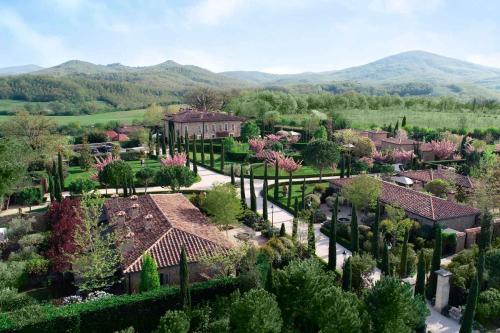
Tuscany is one of those places that feels familiar before you even arrive. The cypress-lined roads, medieval hill towns, vineyard-covered hillsides, and long lingering meals have become almost symbolic of Italy itself. But the reality of Tuscany is far more layered than the postcards. It is Renaissance cities and quiet stone villages. Rustic trattorias and elegant wine estates. Sunflower fields, thermal spas, seafood along the coast, and tiny family-run agriturismos where dinner stretches for hours.
I’ve traveled throughout Tuscany for years, often escaping there when we lived in Milan, and it remains one of the regions I return to over and over. What makes Tuscany special is not simply what you see. It’s the rhythm of life there. Morning cappuccinos in sleepy piazzas. Long drives through vineyard roads. Local markets overflowing with pecorino and tomatoes. The golden evening light that somehow makes every hill town look cinematic.
If you’re planning your first Tuscany trip or trying to decide where to stay, how long to go, or whether you need a car, this guide will help you build an itinerary that feels immersive instead of rushed.
Where Is Tuscany?
Tuscany sits in central Italy north of Rome and stretches from the Tyrrhenian coast inland toward the Apennine Mountains. While many travelers imagine Tuscany as one singular landscape of vineyards and rolling hills, the region is actually incredibly diverse.
You’ll find:
- Renaissance cities like Florence and Siena
- Medieval hill towns like San Gimignano and Montepulciano
- Wine regions including Chianti, Montalcino, and Montepulciano
- Coastal beach towns along the Tuscan Riviera
- Thermal spa towns like Saturnia
- Olive groves, cypress-lined roads, sunflower fields, and countryside villas
The beauty of Tuscany is that you can combine several entirely different experiences in one trip.
The Best Towns to Visit in Tuscany
I’m saving all of my wine tasting suggestions for later in this post as it really deserves its own section! But stay tuned because I’ll share my favorite wine experiences!
Florence
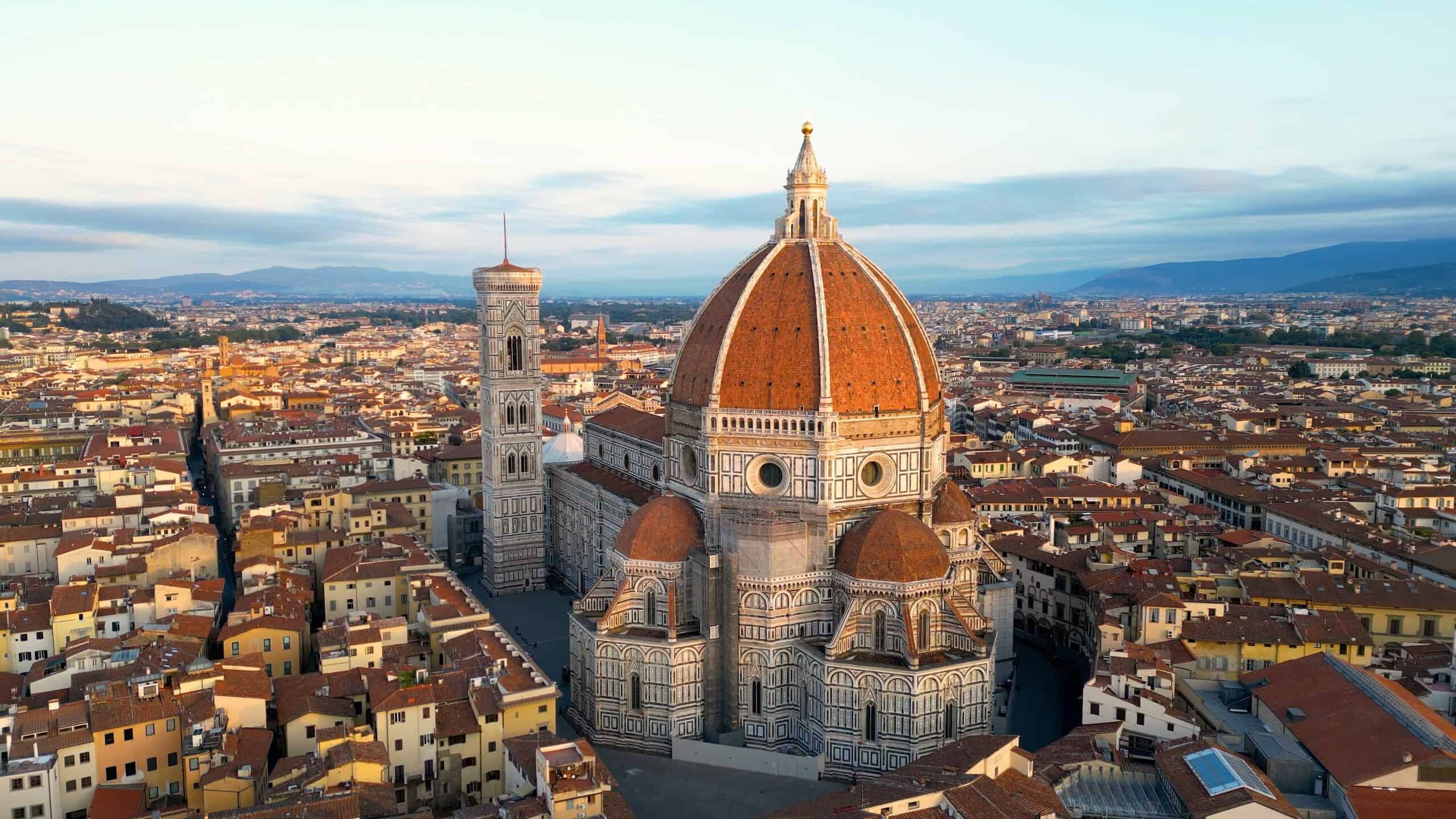
Florence is the cultural heart of Tuscany and one of the most beautiful cities in Europe. It’s compact enough to explore on foot but packed with world-famous art, architecture, food, and history.
This is where you’ll find:
- The Duomo
- The Uffizi Gallery
- Ponte Vecchio
- Piazza della Signoria
- Incredible leather markets
- Some of the best food in Italy
Florence also makes an excellent base for day trips if you don’t want to move hotels constantly. If possible, stay at least three nights. Florence rewards slow travel.
Best Florence Tours & Experiences
- Tuscany Day Trip from Florence: Siena, San Gimignano, Pisa and Lunch at a Winery
🍷 Reserve this Tuscany day trip early. - Small-group skip-the-line Uffizi tour
🍷 You’ll want to book this one early because it sells out - Take this award winning sunset food tour
🍷 See why this is one of Italy’s most popular tours
Siena
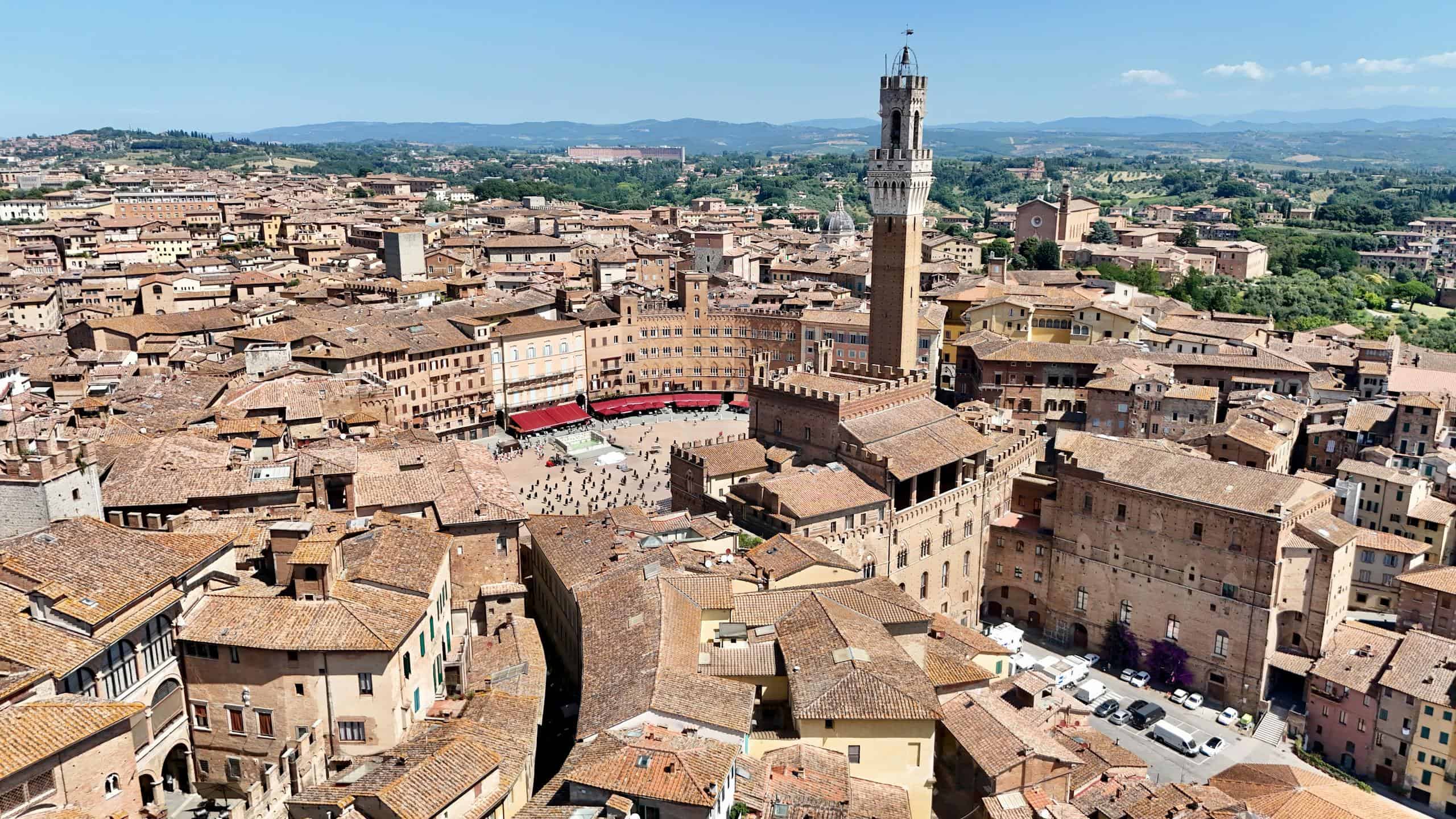
Siena feels dramatically different from Florence. It’s moodier, more medieval, and wonderfully atmospheric. The shell-shaped Piazza del Campo remains one of the most beautiful squares in Italy, and Siena’s cathedral is breathtaking inside and out.
Siena also works beautifully as a base for exploring southern Tuscany and the Val d’Orcia.
Best Siena Tours & Experiences
- See Siena’s stunning duomo and learn the city’s history
🍷 Book this skip-the-line tour - Take a private walking tour of Siena and see the medieval sites
🍷 See why this one gets rave reviews
San Gimignano
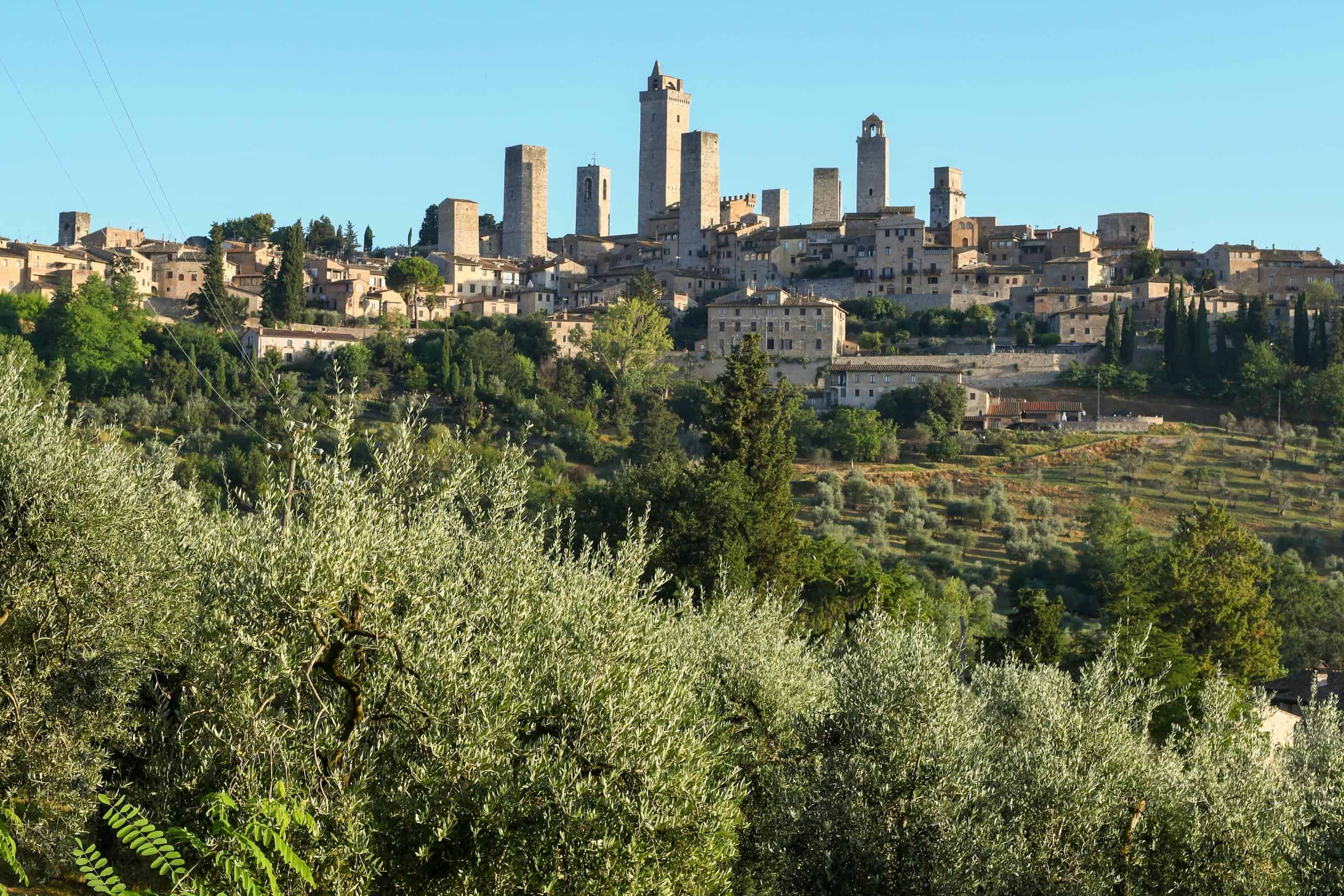
San Gimignano is famous for its medieval towers that rise dramatically above the surrounding vineyards. Yes, it can get crowded midday, but if you stay overnight or visit early in the morning, the town becomes magical. Wandering the quiet stone streets at sunset is one of my favorite Tuscany experiences.
Don’t miss:
- Vernaccia wine tastings
- Tuscan saffron products
- Panoramic countryside views
- Gelato shops tucked into medieval alleys
Best San Gimignano Tours & Experiences
- You’ll want to take a guided walking tour of this city because there are so many nooks and crannies to explore
🍷 This is San Gimignano’s most popular walking tour
Montepulciano
Montepulciano is one of Tuscany’s most beautiful wine towns. Perched high above the Val d’Orcia, it’s known for Vino Nobile wines, dramatic views, Renaissance architecture, and atmospheric wine cellars carved beneath the city.
This area feels slightly less crowded than Chianti while still offering stunning landscapes.

Best Montepulciano Tours & Experiences
- Ride horses through the most beautiful vineyards
🍷 This is an experience you don’t want to miss - Take a cooking class and learn to make pasta and tiramisu
🍷 This experiences sells out quick so don’t delay
Lucca
Lucca is one of Tuscany’s most underrated cities. Surrounded by intact Renaissance walls, it has a softer and quieter energy than Florence or Siena.
The best thing to do here is simple: Rent a bike and ride the tree-lined walls surrounding the city.
Lucca also makes a great base for visiting:
- Pisa
- The Tuscan coast
- Northern Tuscany
- Cinque Terre day trips
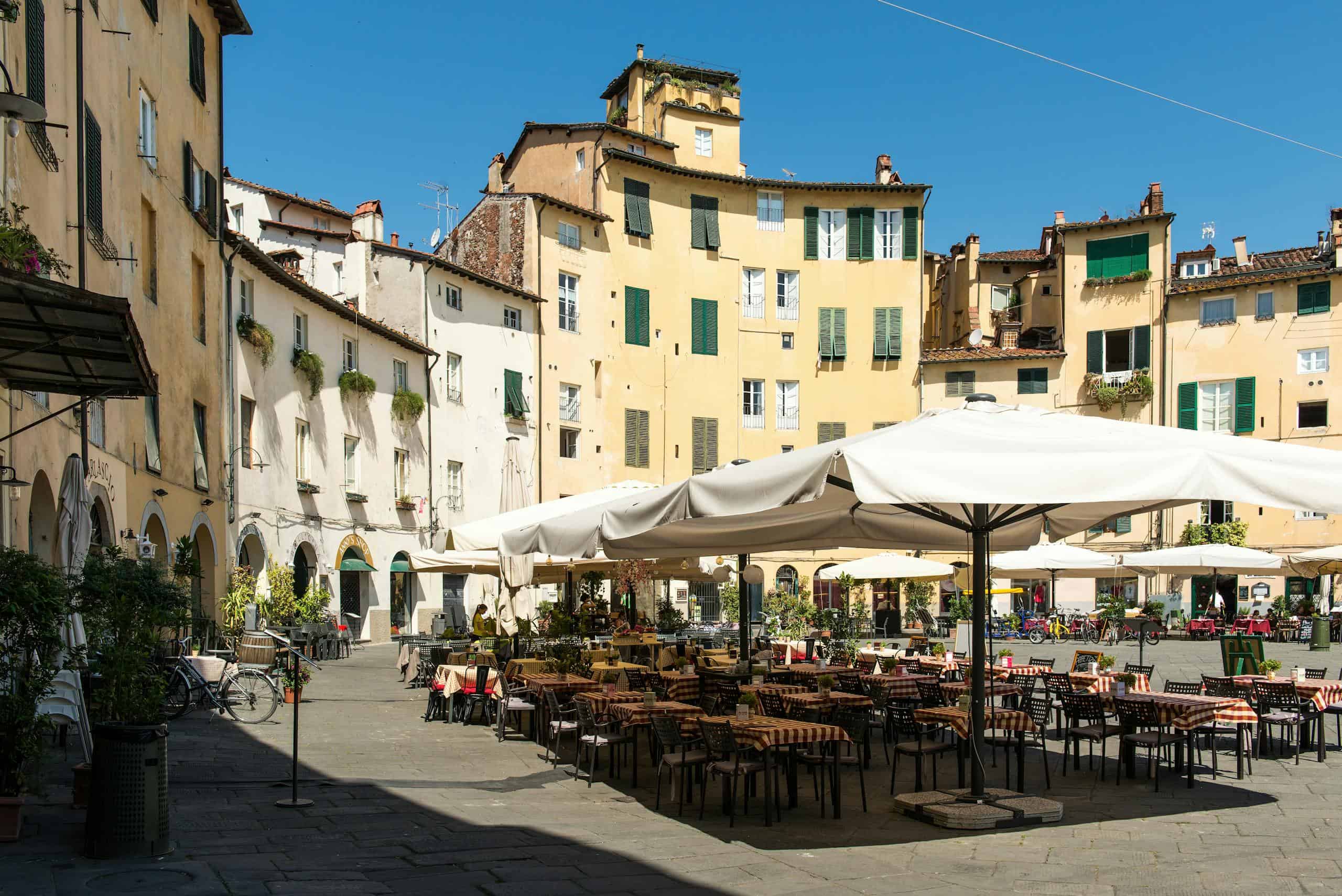
Best Lucca Tours & Experiences
- Take a bike tour of the town and stop along the way for tasty bites
🍷 See why travelers love this experience - If you can spare the time, DO NOT miss seeing the Cinque Terre
🍷 This is something you must do
Wine Tasting in Tuscany
Southern Tuscany is one of the best places in Italy for wine lovers because the experience feels deeply connected to the landscape itself. Unlike some wine regions that feel commercialized, wine tasting here often feels personal, intimate, and rooted in generations of family tradition.
Montepulciano is best known for Vino Nobile di Montepulciano, one of Italy’s oldest protected wines. The town itself is perched dramatically on a hilltop, and many of the wine cellars are built directly beneath the medieval streets. Some tastings actually take place underground inside centuries-old stone caves lined with massive oak barrels, which makes the experience feel incredibly atmospheric.
Nearby Montalcino is famous for Brunello di Montalcino, one of Italy’s most prestigious red wines. This area tends to feel more refined and luxurious, with elegant vineyard estates overlooking rolling hills and cypress-lined roads. Many wineries here offer long tasting lunches, private vineyard tours, and food pairings featuring local pecorino cheese, truffles, handmade pasta, and olive oil produced on-site.
One of the things I love most about wine tasting in Tuscany is that it rarely feels rushed. Tastings often stretch into long conversations overlooking vineyards with sweeping countryside views. Even small wineries frequently produce exceptional wines, and many family-run estates offer experiences that feel far more authentic than larger commercial tours.
If you stay in southern Tuscany, it’s easy to spend your days slowly exploring:
- Montepulciano
- Montalcino
- Pienza
- Bagno Vignoni
- San Quirico d’Orcia
- The Val d’Orcia countryside
Many luxury hotels and agriturismos can also arrange:
- Private wine tastings
- Vineyard picnics
- Sommelier-led experiences
- Cooking classes paired with wine
- Guided Brunello tours
- Olive oil tastings during harvest season
For travelers who love food and wine, this region is one of the most rewarding places in all of Italy because the experience feels immersive rather than transactional. Even a simple lunch at a countryside winery can become one of the most memorable parts of the trip.
The Best Wine Regions in Tuscany
Chianti Classico: The most famous Tuscan wine region with rolling vineyard landscapes between Florence and Siena.
Montalcino: Home to Brunello di Montalcino wines and some of Tuscany’s most luxurious countryside stays.
Montepulciano: Known for Vino Nobile and beautiful hilltop scenery.
Bolgheri: A coastal wine region producing world-renowned Super Tuscans.
The Best Wine Tasting Tours in Tuscany
Learn all about Chianti wine
🍷 Book this Small-Group Wine Tasting Experience in the Tuscan Countryside
Take a full day trip if you base yourself in Florence and see the entire region
🍷 Walk through the vineyards in this highly rated tour
Bet you didn’t know you could take a wine safari!
🍷 See why this tour has 5,000 great reviews
Learn to make pizza and gelato on a Tuscan farm
🍷 Book this memorable experience while you can
Tuscany is also famous for its olive oil
🍷 Take this popular tasting tour
The Best Areas to Stay in Tuscany
Where you stay will completely shape your Tuscany experience.
Stay in Florence if:
- It’s your first Italy trip
- You prefer trains over driving
- You love museums, food, shopping, and walkable cities
- You want easy day trips
The Best Hotels in Florence
Four Seasons Hotel Firenze – a 5-star hotel set in a historic 15th-century palazzo, featuring a private park, spa, and Michelin-starred restaurant. Located in central Florence, it offers 116 luxurious rooms and suites adorned with Renaissance art and modern amenities.
🍷 Don’t miss out on this iconic hotel

Rocco Forte Hotel Savoy – Elegant and refined with one of the best locations in Florence overlooking Piazza della Repubblica. Ideal if you want luxury, walkability, and classic Italian style in the center of the city.
🍷 Check rates for your dates at Hotel Savoy here
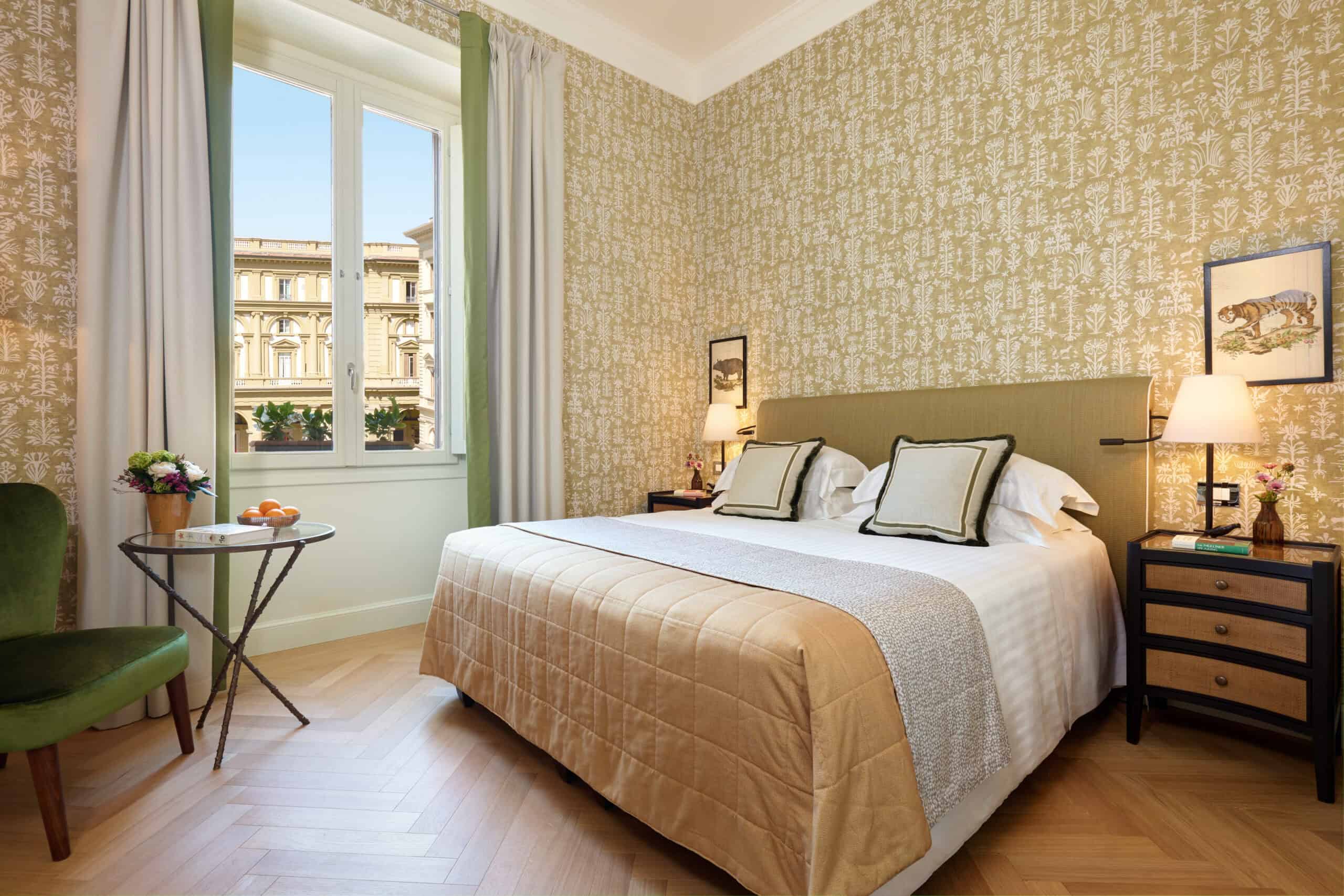
Portrait Firenze – One of the most luxurious boutique hotels in Florence with Arno River views and beautifully understated interiors. Perfect for a romantic Tuscany itinerary.
🍷 View rooms and availability at Portrait Firenze.
Hotel Lungarno – A sophisticated riverfront hotel with impeccable service, art-filled interiors, and easy access to Florence’s major sights.
🍷 Book an elegant stay at Hotel Lungarno here
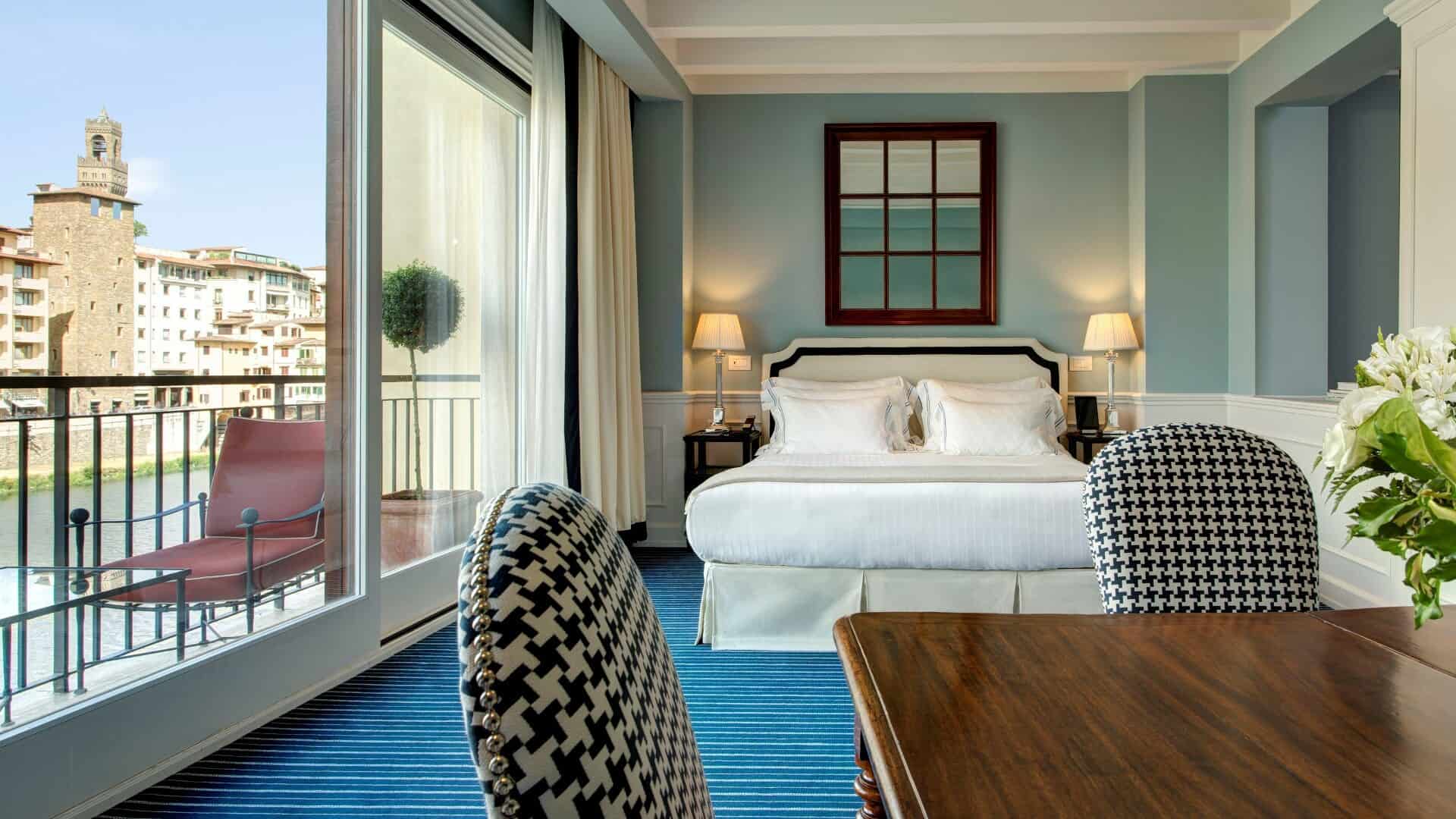
Hotel Spadai – puts you right in the historic center, which makes it easy to explore markets, restaurants, and day trips into the countryside for cooking classes. It’s one of the easiest “yes” bookings if this is your first time in Tuscany.
🍷 See availability and room choices for your dates
Stay in Chianti if:
- You want vineyards and wine tasting
- You dream of classic Tuscan scenery
- You want a romantic countryside atmosphere
Where to Stay in Chianti
COMO Castello Del Nero – A stunning luxury castle hotel surrounded by vineyards and rolling hills in the heart of Chianti. This is classic Tuscany at its most cinematic.
🍷 Book your stay in this luxurious castle before it sells out
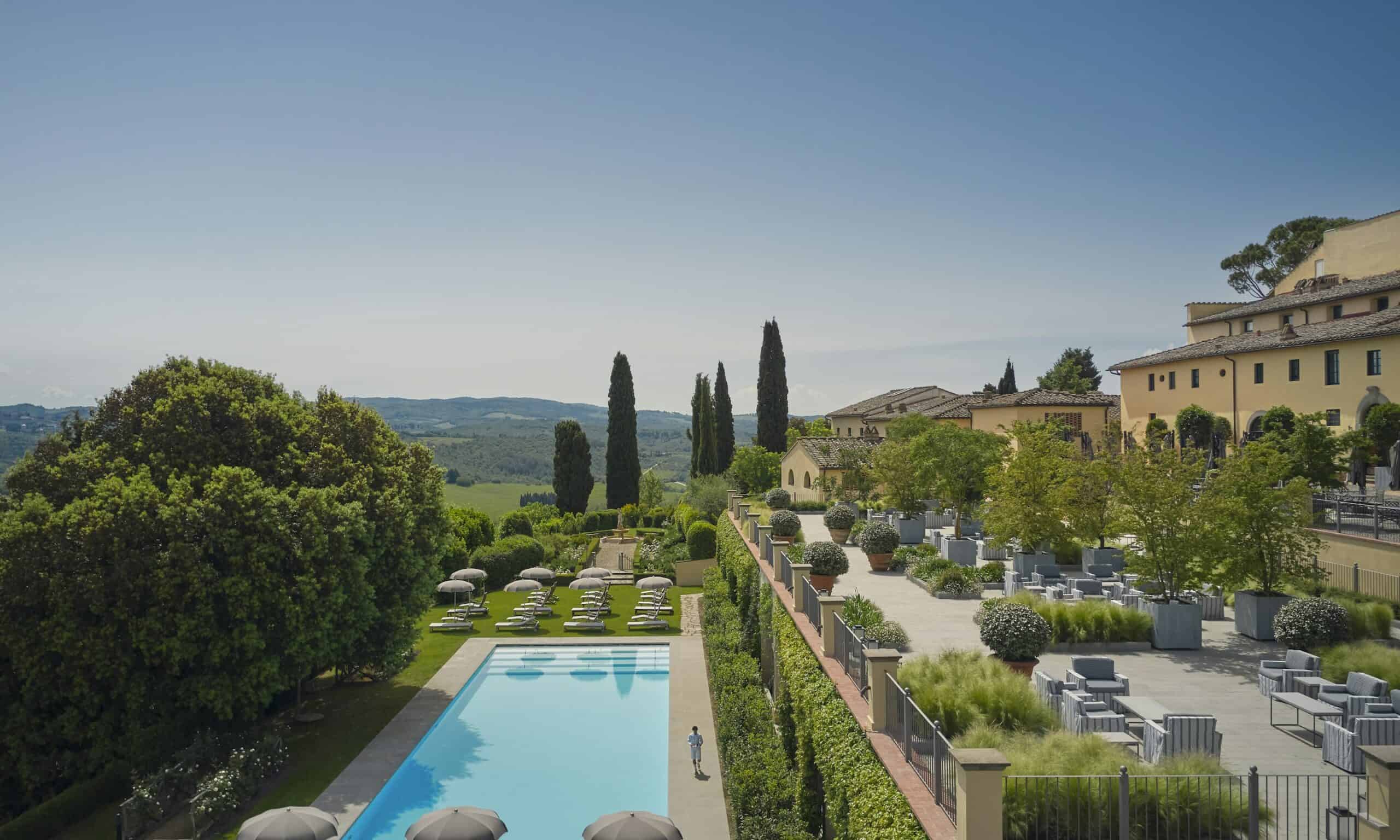
Borgo San Felice – A beautifully restored medieval village turned luxury wine resort with exceptional dining and vineyard scenery.
🍷 This is one of Tuscany’s most popular stays
Castello di Spaltenna – Romantic and atmospheric with sweeping vineyard views, a spa, and classic Tuscan charm.
🍷 Book Castello di Spaltenna now to get the best vineyard views
Stay in Val d’Orcia if:
- You want the iconic Tuscany landscapes you see in films
- You love photography
- You prefer slower luxury travel
- You want spa towns and scenic drives
Where to Stay in Val d’Orcia
Rosewood Castiglion del Bosco – One of the most luxurious countryside resorts in Italy with extraordinary views, wine experiences, and elegant villas.
🍷 Book your stay at the elegant Rosewood Castiglion del Bosco
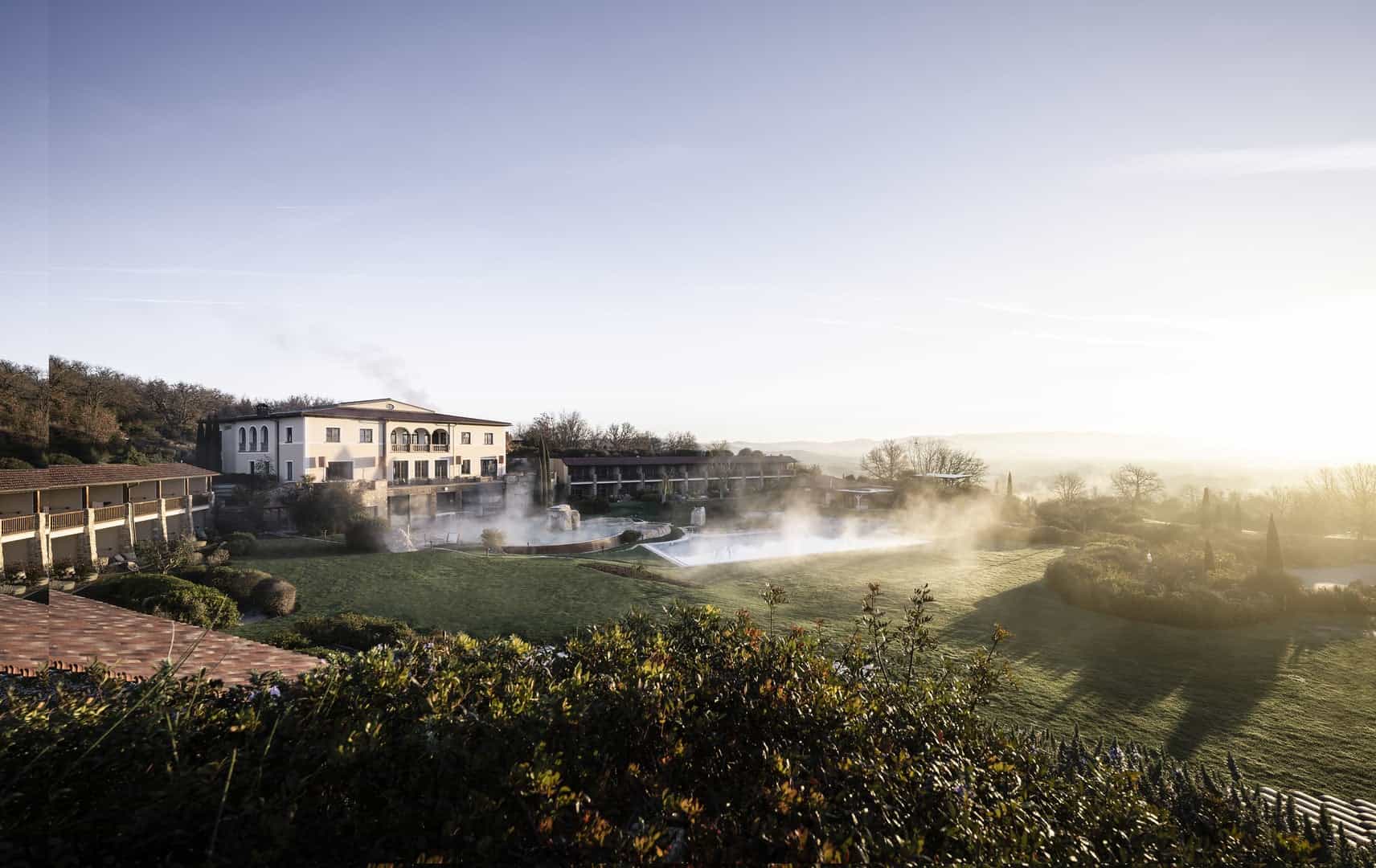
Adler Spa Resort Thermae – Perfect for a wellness-focused Tuscany trip with thermal pools, spa treatments, and serene countryside surroundings.
🍷 Check out the spa packages at Adler Spa Resort
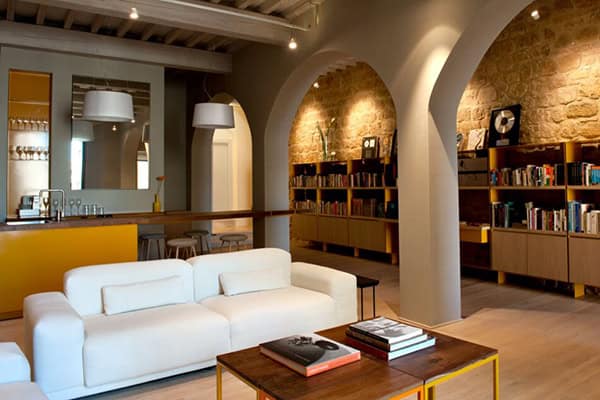
La Bandita Townhouse – A stylish boutique hotel in the heart of Pienza blending modern interiors with classic Tuscan atmosphere.
🍷 Book your stay at La Bandita Townhouse
Stay in Lucca or Northern Tuscany if:
- You want fewer crowds
- You want access to the coast
- You’re combining Tuscany with Liguria or Lake regions
Where to Stay in Lucca or Northern Tuscany
Hotel Palazzo Alexander – An elegant boutique hotel inside Lucca’s historic center with old-world character and excellent service.
🍷 Check rates for Hotel Palazzo Alexander
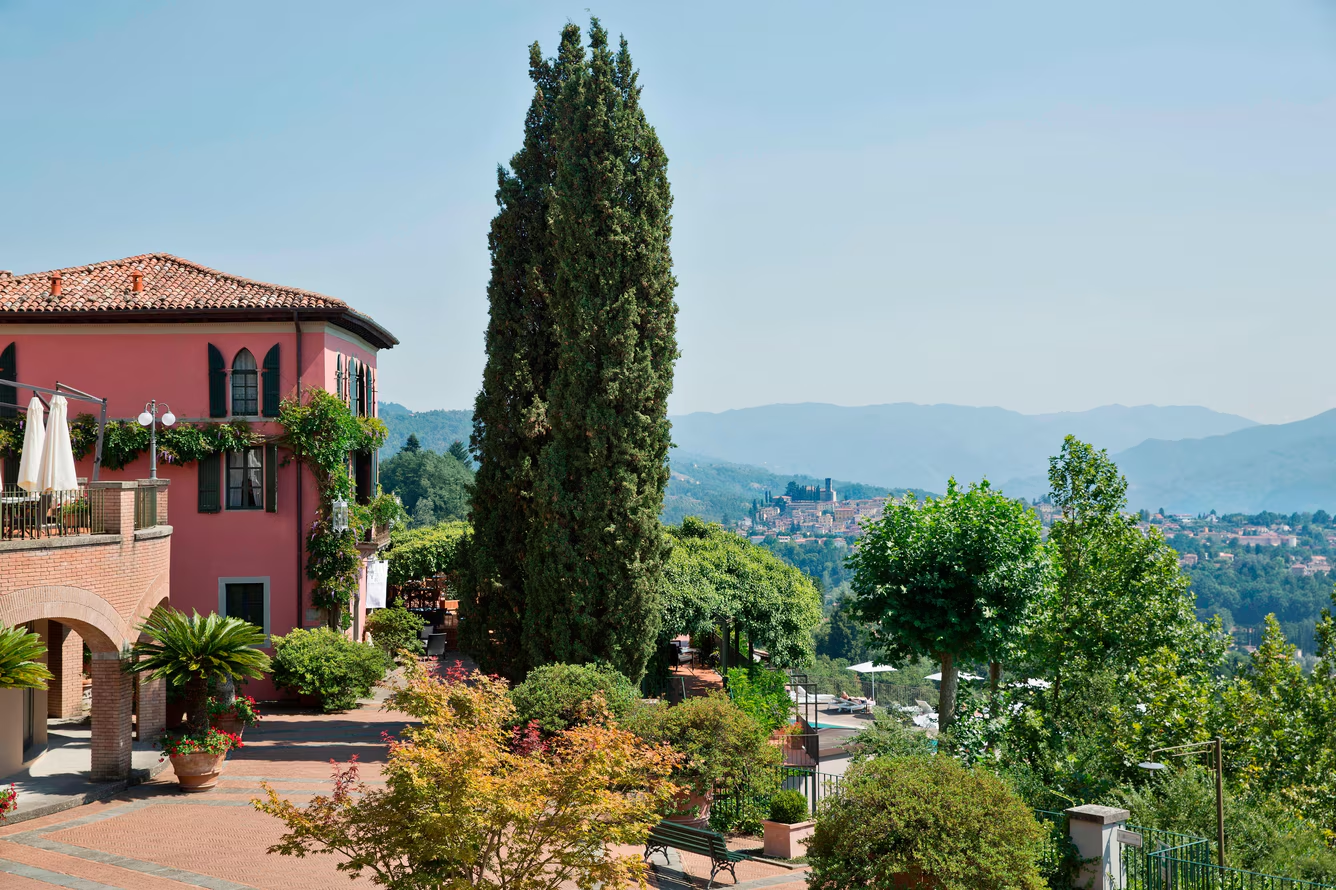
Renaissance Tuscany Il Ciocco Resort & Spa – A peaceful mountain retreat with panoramic views that feels very different from the busier wine regions of Tuscany.
🍷 See what rooms with amazing views are available for your dates
Stay in Montepulciano & Southern Tuscany if:
- You want the iconic rolling hill scenery Tuscany is famous for
- You love wine tasting, especially Brunello and Vino Nobile
- You prefer slower, quieter luxury travel
- You want beautiful boutique hotels and agriturismos
- You’re interested in thermal spas and wellness experiences
- You enjoy scenic drives through vineyard-covered countryside
- You want a more romantic and less crowded Tuscany experience than Florence or Chianti
Where to Stay in Montepulciano & Southern Tuscany
Precise Tale Poggio Alla Sala – A gorgeous countryside estate with a spa, vineyard scenery, and easy access to Montepulciano and Val d’Orcia.
🍷 This resort has it all but it books up quick
Relais La Corte dei Papi – Romantic and intimate with beautifully landscaped gardens and traditional Tuscan luxury.
🍷 View rooms at Relais La Corte dei Papi.
Do You Need a Car in Tuscany?
This depends entirely on your itinerary.
If you’re only visiting Florence and a few major cities, trains work beautifully.
But if you want:
- Agriturismos
- Vineyards
- Scenic countryside drives
- Hidden hill towns
- Flexible itineraries
…then renting a car is absolutely worth it.
The most beautiful parts of Tuscany are often the places trains don’t reach well.
One strategy I love: Spend a few days in Florence first without a car, then pick up a rental when heading into the countryside.
Tuscany by Train vs Car
Tuscany by Train
Best for:
- Florence
- Siena
- Pisa
- Lucca
- Budget travelers
- First-time Italy visitors
Pros:
- Easier
- Less stressful
- No parking issues
- Great high-speed rail connections
Cons:
- Limited access to vineyards and countryside stays
Tuscany by Car
Best for:
- Val d’Orcia
- Chianti
- Wine travel
- Agriturismos
- Photography-focused trips
Pros:
- Total flexibility
- Scenic drives
- Access to hidden villages
Cons:
- Parking challenges
- Narrow roads
- ZTL zones in cities
The Best Time to Visit Tuscany
Spring (April–June)
Spring is one of the best times to visit Tuscany.
The hills are green, wildflowers bloom everywhere, and temperatures are ideal for walking and wine tasting.
Summer (July–August)
Summer is beautiful but hot and crowded, especially in Florence.
If traveling in summer:
- Stay somewhere with a pool
- Slow down midday
- Focus on countryside stays
- Explore towns early or late
Fall (September–October)
Fall is arguably Tuscany at its most beautiful.
Harvest season brings:
- Wine festivals
- Truffle menus
- Olive oil tastings
- Golden vineyards
- Cooler weather
This is my personal favorite season.
Winter (November–March)
Winter is quiet, atmospheric, and much more affordable.
Florence remains wonderful year-round, while countryside areas become peaceful and uncrowded.
Tuscany Food You Shouldn’t Miss
Tuscany’s cuisine is rustic, seasonal, and deeply regional.
Some classic dishes include:
- Bistecca alla Fiorentina
- Pici pasta
- Ribollita
- Wild boar ragù
- Pecorino Toscano
- Truffle dishes
- Fresh olive oil
- Crostini Toscani
And of course: Wine is central to the experience.
How Long Should You Spend in Tuscany?
For a first trip, I recommend:
- Minimum: 5 days
- Ideal: 7–10 days
That allows enough time to combine:
- Florence
- A countryside stay
- Several hill towns
- Wine tasting
- Slow travel days
Tuscany is not a region to rush through.
A Perfect Tuscany Itinerary
7-Day Tuscany Itinerary Idea
Days 1–3: Florence
- Museums
- Food tours
- Shopping
- Day trip to Pisa or Lucca
Days 4–7: Countryside Stay
Choose:
- Chianti
- Val d’Orcia
- Montepulciano
- Montalcino
Spend your days:
- Wine tasting
- Exploring hill towns
- Long lunches
- Scenic drives
- Relaxing at your agriturismo
Should You Stay in an Agriturismo?
Absolutely. Agriturismos are one of the best ways to experience Tuscany authentically. These countryside farm stays often include:
- Homemade meals
- Olive oil tastings
- Vineyard views
- Cooking classes
- Pools overlooking the hills
This is the Tuscany experience many travelers dream about.
My Final Ideas on Planning a Tuscany Trip
The best Tuscany trips are the ones that leave room for spontaneity.
Don’t over-schedule every day. Leave space for:
- Long lunches
- Unexpected villages
- Wine tastings
- Wandering quiet streets
- Sunset stops along vineyard roads
Tuscany is not about checking landmarks off a list. It’s about slowing down enough to actually experience Italy.
And once you’ve been there, chances are you’ll already be planning your return before the trip is even over.
More Italy Travel Guides
Lake Como vs Lake Maggiore: Which Is Better? (Why I Always Choose Maggiore)
Where to Stay on Lake Maggiore: Best Towns, Hotels, and What Each Area Is Known For
Where to Stay on Lake Como (Best Towns + Hotels)
Best Towns on Lake Maggiore: Where to Stay, Eat + Explore in Italy’s Most Underrated Lake Region
Milan, Italy: A Local’s Guide to Eating, Exploring, and Falling in Love With the City (2026)
The Best Cooking Classes in Italy (Tuscany, Rome, Bologna & More)
Rome Food Tours Guide: Best Tours, Classes + Where to Stay
Where to Stay in Tuscany: Best Agriturismo for Luxury, Families & Food Lovers (2026)
Best Day Trips From Milan for Lakes, Wine, Food, and Slow Italian Charm