

Madrid vs. Barcelona: Which Spanish City Should You Visit?
This post may contain affiliate links. If you make a purchase through one of these links, I may earn a small commission at no additional cost to you.
Madrid or Barcelona? It is one of the most common questions travelers ask when planning a first trip to Spain. The two cities share wonderful food, late dinners, impressive architecture and a seemingly endless supply of museums, markets and neighborhood cafés. But the experience of visiting each one is surprisingly different.
Madrid is Spain’s elegant inland capital, known for world-class art museums, broad boulevards, green parks and a social culture that seems to spill into every plaza. Barcelona has the Mediterranean, Gaudí’s unmistakable architecture, the Gothic Quarter and one of Europe’s most exciting food markets.
Having spent about a week exploring Madrid while my husband was there for work, and later visiting Barcelona on a Windstar cruise, I would not describe one as a substitute for the other. My short answer is this: choose Madrid for art, traditional Spanish culture, grand public spaces and a more local city rhythm. Choose Barcelona for architecture, the sea, food markets and a more visually dramatic first visit to Spain.
Madrid vs. Barcelona at a Glance
| Choose Madrid if you want… | Choose Barcelona if you want… |
|---|---|
| The Prado and exceptional art museums | Gaudí architecture and the Sagrada Família |
| Grand boulevards, plazas and Retiro Park | A city break combined with the Mediterranean |
| A more traditional Spanish atmosphere | A distinctive Catalan identity |
| Tapas neighborhoods and late-night dining | La Boqueria, seafood and market experiences |
| Day trips to Toledo or Segovia | Day trips to Montserrat or the Costa Brava |
| A city that often feels less tourist-dominated | Iconic sights with immediate visual impact |
Is Madrid or Barcelona Better for First-Time Visitors?
Barcelona is often the more exciting choice for a first-time visitor. The Sagrada Família, Park Güell, Casa Batlló and the Gothic Quarter give the city a look and personality unlike anywhere else. Add the Mediterranean waterfront and La Boqueria, and it is easy to build a varied itinerary even if you only have three days.
Madrid reveals itself more gradually. Its appeal is not based on one architectural style or a waterfront setting. It comes from spending a morning at the Prado, walking through Retiro Park, shopping along Gran Vía, stopping for tapas and watching the city come alive in the evening.
When I spent about a week in Madrid, my husband was working and I had time to tour and shop on my own. That is an ideal way to experience the capital. Madrid rewards wandering and lingering rather than racing between a checklist of landmarks.
Barcelona made a more immediate impression on me, especially through its food culture. During my recent Windstar cruise visit, I spent an entire day at La Boqueria. I have visited food markets around the world, from the souks of Marrakech to the covered markets of Paris, and La Boqueria remains one of the best.
What Madrid Is Really Like
Madrid feels grand but livable. The historic center includes famous stops such as Plaza Mayor, Puerta del Sol and the Royal Palace, but some of the city’s best moments happen between the major attractions. Neighborhoods such as La Latina, Malasaña and Chueca are made for walking, eating and stopping whenever somewhere looks interesting.
The city is especially strong for art lovers. The Prado is the essential museum, while the Reina Sofía and Thyssen-Bornemisza complete Madrid’s celebrated Golden Triangle of Art. You do not need to visit all three unless museums are a major priority. A focused Prado tour can be more rewarding than trying to rush through several enormous collections.
Book a guided Prado Museum tour
Madrid is also an easy city in which to balance sightseeing with downtime. Retiro Park provides a welcome break from museums and busy streets, and its location near the Prado makes the two easy to combine in one day.
What Barcelona Is Really Like
Barcelona is more visually distinctive. Gaudí’s buildings turn ordinary sightseeing into something almost theatrical, while the Gothic Quarter, El Born, Eixample and Barceloneta each provide a different version of the city.
It is also one of Europe’s most heavily visited cities, so advance planning matters. Timed tickets are essential for the Sagrada Família and Park Güell, especially during the warmer months. A guided tour that combines the major Gaudí sights can simplify transportation and help you understand what you are seeing rather than merely moving through crowded spaces.
Book a Sagrada Família, Park Güell and Gothic Quarter tour
Barcelona is walkable within individual neighborhoods and has excellent public transportation, but its headline attractions are spread out. Do not assume you can casually walk from the Gothic Quarter to Park Güell and then continue to the Sagrada Família without losing a large part of the day. Group sights geographically or use a tour for the more dispersed Gaudí landmarks.
My Day at La Boqueria in Barcelona
La Boqueria is one of Barcelona’s best-known attractions, but it is more than a quick photo stop. I spent an entire day there during my Windstar cruise visit, and I rank it among the best food markets I have experienced anywhere.
The entrance from La Rambla is colorful and energetic, with fruit juices, sweets and displays designed to catch the attention of visitors. The market becomes more interesting when you walk deeper inside. That is where you find seafood, jamón, spices, saffron and counters serving tapas and other Catalan specialties.
Go before 10 a.m. if you want to see the market before it becomes overwhelmingly busy. Do not stop at the first stalls facing the entrance. Walk through the aisles, look for the places where local shoppers are buying ingredients and, if you can get a seat, eat at El Quim de la Boqueria.
A market tour or cooking class can also turn La Boqueria into a more meaningful food experience. Look for a small-group tour that combines the market with the Gothic Quarter, tapas or a paella class.
Book a Barcelona market and tapas tour
Compare Barcelona cooking classes

Madrid vs. Barcelona for Food
Choosing the better food city depends on how you like to eat. Madrid is better for traditional tapas evenings, neighborhood restaurants and the ritual of moving from one bar to another. Barcelona is better for food markets, Catalan cooking, seafood and dining experiences connected to the Mediterranean.
Madrid specialties include cocido madrileño, calamari sandwiches, jamón and churros with thick hot chocolate. Mercado de San Miguel is easy to visit near Plaza Mayor, although it caters heavily to tourists. For a more complete experience, take a tapas tour through La Latina or another neighborhood where the focus extends beyond one market hall.
Browse Madrid tapas and food tours
Barcelona’s food identity is distinctly Catalan. In addition to tapas, look for fideuà, tomato-rubbed pa amb tomàquet, grilled seafood and crema catalana. La Boqueria is the obvious introduction, but the city also has neighborhood markets such as Santa Caterina and Sant Antoni.
If food is the deciding factor, Barcelona has the stronger market experience, while Madrid offers the better setting for an unhurried night of tapas and wine.
Madrid vs. Barcelona for Art and Architecture
Madrid wins for traditional art. The Prado alone can justify choosing the capital, especially if you want to see works by Velázquez, Goya, El Greco, Rubens and Bosch. The Royal Palace, Plaza Mayor and the elegant architecture lining Gran Vía add to the city’s stately character.
Barcelona wins for architecture. Gaudí’s work is inseparable from the city, and the Sagrada Família is one of those rare attractions that deserves its fame. Casa Batlló and La Pedrera bring Modernisme directly onto Passeig de Gràcia, while the Gothic Quarter offers a much older layer of Barcelona.
Choose Madrid if you would rather spend several hours inside a great museum. Choose Barcelona if you want the city itself to feel like the primary work of art.
Which City Has Better Day Trips?
Madrid has excellent day trips for travelers interested in Spanish history. Toledo is the classic choice, with a dramatic hilltop setting and Christian, Jewish and Muslim heritage. Segovia is known for its Roman aqueduct, cathedral and fairy-tale alcázar. Both can be visited by train, but a guided tour is easier if you want transportation and context handled for you.
Book a Toledo day trip from Madrid
Compare Toledo and Segovia tours
Barcelona’s most popular day trip is Montserrat, where a distinctive mountain landscape surrounds the Benedictine monastery. Wine lovers can combine Montserrat with a winery visit, while travelers seeking beaches and medieval towns may prefer the Costa Brava or Girona.
Book a Montserrat day trip from Barcelona
Madrid has the advantage for monumental historic cities. Barcelona has the edge if you want mountains, wine country or the coast.Where to Stay in Madrid
For a first visit to Madrid, Centro offers the most convenient access to Puerta del Sol, Plaza Mayor, the Royal Palace and Gran Vía. The area around Retiro and the Prado is quieter and particularly good for art lovers, while Chueca and Malasaña offer more restaurants, boutiques and nightlife. Madrid’s metro makes it easier to stay slightly outside the busiest tourist streets without sacrificing convenience.
Hotel Regina is one of the best all-around choices for a first trip to Madrid. It is located on Calle de Alcalá between Gran Vía and the Prado, placing the historic center, major museums, Retiro Park and numerous restaurants within walking distance. The hotel combines a polished contemporary style with a location that works equally well for sightseeing, shopping and dining.
Only YOU Boutique Hotel Madrid is a stylish choice in Chueca, one of Madrid’s most energetic neighborhoods. The hotel occupies a restored 19th-century mansion and has inviting public spaces that feel more social than those of a conventional city hotel. Choose it if you want boutique design, restaurants and nightlife nearby without staying directly amid the crowds around Puerta del Sol.
Dear Hotel Madrid is a good option for travelers who want to be on Gran Vía and close to shopping, theaters and major transportation connections. Its rooftop pool and terrace offer expansive views over Madrid, providing a welcome place to relax after a day of sightseeing. Because Gran Vía stays busy late into the evening, this hotel is better for travelers who value location and energy over a quiet neighborhood atmosphere.
Pestana CR7 Gran Vía Madrid combines a central location with a lively, contemporary personality. The hotel is near Puerta del Sol, Plaza de Cibeles and the shops and theaters of Gran Vía. Its rooftop terrace, pool and restaurants make it appealing for couples or friends who want their hotel to be part of the city experience rather than simply a place to sleep.
Mandarin Oriental Ritz, Madrid is the luxury choice for art lovers. This historic hotel sits beside the Prado Museum and close to the Thyssen-Bornemisza Museum, Reina Sofía and Retiro Park. Its elegant interiors, garden and highly personalized service make it ideal for a special trip, although the rates place it firmly in the splurge category.
Where to Stay in Barcelona
Eixample is the best all-around area for a first visit to Barcelona because it is central, well connected and close to Gaudí landmarks, restaurants and shopping. The Gothic Quarter and El Born provide more historic atmosphere but can be noisy and crowded. Travelers who prioritize the beach may prefer Barceloneta, although it is less convenient for several of Barcelona’s major architectural sights.
Seventy Barcelona is my preferred Barcelona hotel for boutique style, personalized service and walkability. It is located near the boundary of Eixample and Gràcia, within walking distance of Passeig de Gràcia, Casa Milà and numerous restaurants and shops. The stylish courtyard, spa, rooftop pool and terrace make it easy to relax at the hotel, and rooftop cocktails are a particularly enjoyable way to end the day.
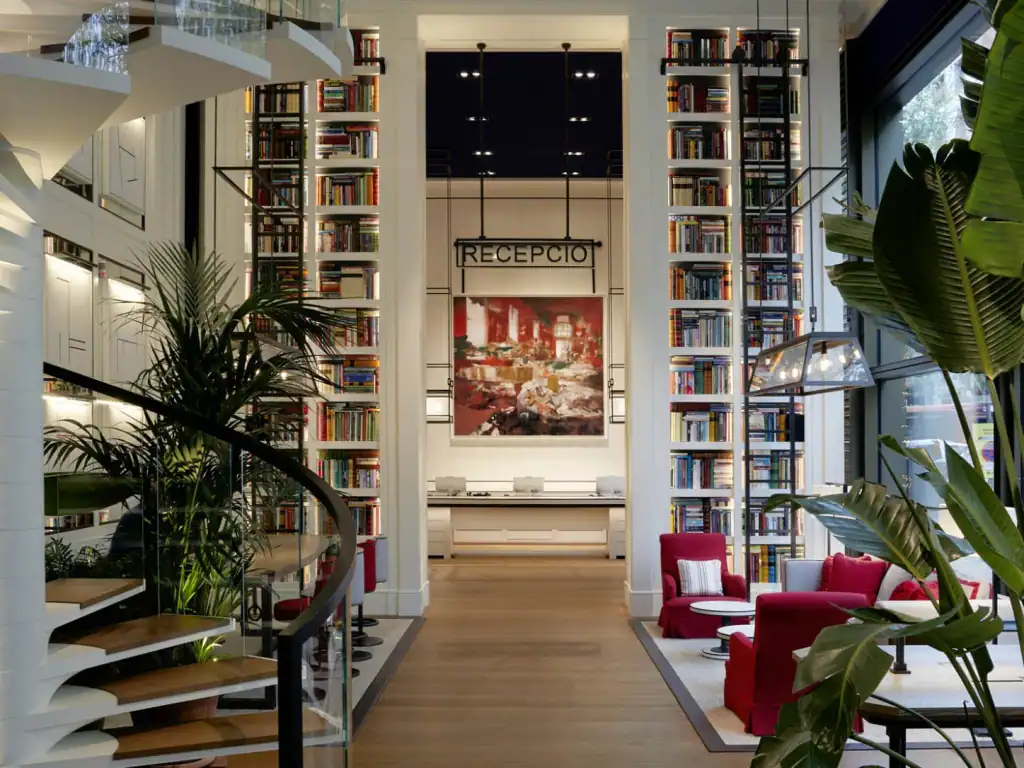
Grand Hyatt Barcelona is a polished luxury option on Avinguda Diagonal. I have stayed here as well and appreciated its spacious accommodations, spa and rooftop views. It is farther from the Gothic Quarter and waterfront than many central hotels, but taxis and public transportation make it easy to reach the major sights. Choose it if you value full-service luxury and resort-like amenities over stepping directly into the historic center.
H10 Madison is an excellent choice for travelers who want to stay close to the Barcelona Cathedral and Gothic Quarter. The hotel’s central location makes La Boqueria, El Born, Plaça de Catalunya and many restaurants accessible on foot. Its rooftop terrace and pool provide views across the old city, making it particularly appealing for couples who want both convenience and atmosphere.
Hotel Praktik Bakery is a moderately priced boutique hotel built around an operating bakery. The smell of freshly baked bread greets guests downstairs, giving the hotel a distinctive food-focused personality. Its Eixample location is close to Passeig de Gràcia, Casa Milà and Casa Batlló. Rooms are relatively compact, but it is a smart choice for travelers who prioritize location, design and value.
Is Madrid or Barcelona More Crowded?
Barcelona generally feels more crowded in the places most visitors want to see. La Rambla, La Boqueria, the Gothic Quarter, Park Güell and the Sagrada Família can all become congested. Timed admission and early starts make a significant difference.
Madrid is a major capital and is never quiet, but tourism tends to feel more dispersed. The area around Puerta del Sol and Plaza Mayor can be busy, while the Prado requires advance planning during peak periods. Still, Madrid often feels like a city continuing its daily life around visitors rather than a city organized primarily around them.
How Many Days Do You Need in Madrid and Barcelona?
Allow at least three full days in Madrid. Four or five days will give you time to enjoy the museums without rushing and add a day trip to Toledo or Segovia.
Barcelona also deserves at least three full days. Add a fourth day for Montserrat, more time at the beach or a slower exploration of the city’s food markets and neighborhoods.
If you want to see both cities, plan seven to nine days. Spend three or four nights in each and travel between them by high-speed train. Flying usually adds unnecessary airport time when you are traveling city center to city center.
Madrid or Barcelona: My Final Verdict
Barcelona is the stronger choice if you want a city that delivers immediate visual drama. Gaudí’s architecture, the Mediterranean setting and the food culture make it an exciting first stop in Spain. My day at La Boqueria alone showed why Barcelona is such a rewarding destination for travelers who experience a city through its food.
Madrid is the better choice if you want to settle into the rhythm of Spanish city life. It has exceptional museums and major landmarks, but its appeal also comes from walking, shopping, sitting in a plaza and letting a tapas dinner stretch late into the evening. Having a full week there allowed me to appreciate Madrid in a way that a rushed two-day visit would not.
Choose Barcelona for architecture, markets and the sea. Choose Madrid for art, traditional Spanish culture and a more relaxed urban experience. If this is your first trip to Spain and you have a full week, the best answer is not Madrid versus Barcelona. Visit both and pay attention to how completely different they feel.
Frequently Asked Questions About Madrid vs. Barcelona
Is Madrid better than Barcelona? Madrid is better for major art museums, traditional Spanish atmosphere, parks and historic day trips. Barcelona is better for Gaudí architecture, food markets, the Mediterranean and a visually distinctive city break.
Which is cheaper, Madrid or Barcelona? Costs vary by season, but Barcelona’s most popular central areas and major ticketed attractions can make it feel more expensive. Compare hotel prices for your exact dates because conventions, festivals and major sporting events can significantly affect rates in either city.
Which city is better for food, Madrid or Barcelona? Barcelona is especially good for markets, seafood and Catalan cuisine. Madrid is better for traditional tapas crawls and long evenings moving among neighborhood bars. Food-focused travelers will find plenty to love in both.
Is Madrid or Barcelona more walkable? Central Madrid is easier to explore in broad walking routes, although the city itself is large. Barcelona is very walkable within its neighborhoods, but major attractions such as Park Güell, the Sagrada Família and the Gothic Quarter are spread across the city.
Which city has better weather? Barcelona has a Mediterranean coastal climate, while Madrid has hotter, drier summers and colder winters because of its inland location and elevation. Spring and fall are generally the most comfortable seasons for sightseeing in either city.
Can you visit Madrid and Barcelona on the same trip? Yes. High-speed trains connect the city centers, making it easy to combine them. Allow at least three full days in each city, plus additional time for Toledo, Montserrat or another day trip.