

Best Caribbean Cruises for Foodies: 9 Lines Worth Booking
As a beach lover, I’ve done more Caribbean cruises than I can count. The problem is that I’m also a deeply picky food person, and for years cruise food was often something you tolerated between islands.
That has changed.
Several cruise lines now take dining seriously enough that food can be one of the reasons to choose the ship in the first place. I’ve sailed on several of these lines myself, eaten my way through their specialty restaurants and taken enough Caribbean shore excursions to know which ports are worth planning a day around.
If food matters when you travel, these are the Caribbean cruise lines I would consider first.
Compare current Caribbean cruises and fares on CruiseDirect →
Quick Guide: Best Caribbean Cruises for Food Lovers
| Cruise Line | Best For | Price Level |
|---|---|---|
| Oceania | Best overall for serious foodies | Luxury |
| Regent Seven Seas | All-inclusive luxury | Ultra-luxury |
| Windstar | Small ships and intimate dining | Luxury |
| Club Med 2 | French cuisine and sailing experience | Luxury |
| Celebrity | Elevated dining at a lower price | Premium |
| Viking Ocean | Destination-focused food | Premium |
| Holland America | Best mid-range culinary program | Mid-range |
| Princess | Dining variety | Mid-range |
| Norwegian | Flexibility and choice | Mid-range |
If you’re deciding primarily on food, I’d start with Oceania, Regent and Windstar. If price matters more, Celebrity and Holland America offer a good middle ground.
Check out my article on the Best All-Inclusive Resorts in the Caribbean for Foodies and The Best Caribbean Islands for Food Lovers
1. Oceania Cruises — Best Overall for Foodies
If food is the primary reason you’re choosing a cruise, Oceania is where I’d start.
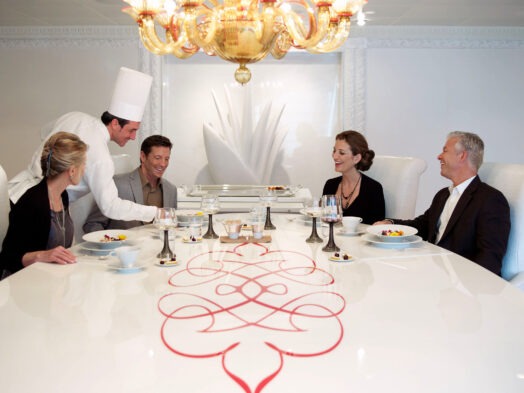
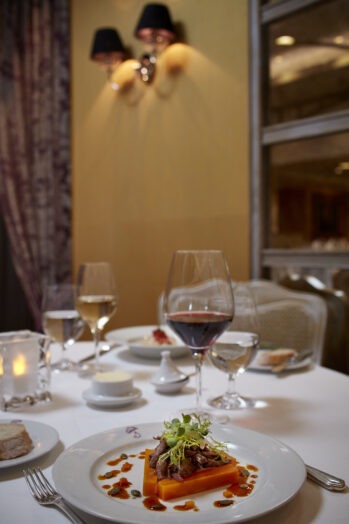
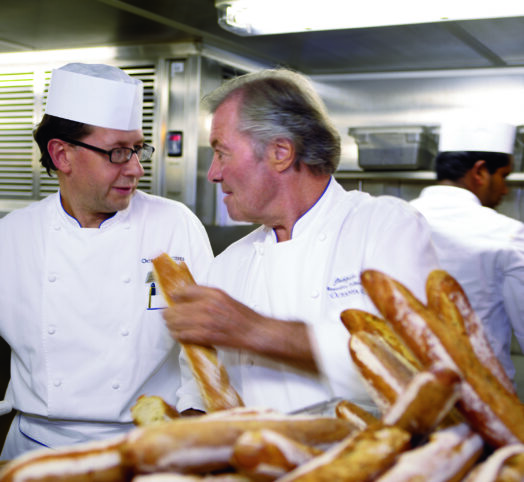
Oceania has built much of its identity around food. Specialty restaurants span French, Italian and Asian cuisines, while its Culinary Center adds something I particularly like for food-focused travelers: actual hands-on cooking classes rather than simply watching a demonstration.
That combination makes Oceania especially appealing if you want the culinary experience to extend beyond dinner.
In the Caribbean, I also like pairing the onboard experience with food-focused ports such as Grenada, where spice plantations, markets and local cooking give you a completely different perspective on the island.
Check current Oceania Caribbean cruises and fares
2. Regent Seven Seas — Best All-Inclusive for Foodies
I sailed the Seven Seas Voyager, and the combination of exceptional dining and genuinely attentive service made meals feel like part of the experience rather than simply something scheduled between activities.
Regent’s restaurants range from French cuisine to Asian and steakhouse dining, and the wine and champagne program is extensive.
The other advantage is the all-inclusive structure. If you’re comparing Regent with a less expensive cruise, look carefully at what’s actually included. Drinks, specialty dining and excursions can substantially change the final cost of a cruise.
For travelers who want luxury dining without constantly thinking about additional charges, Regent would be near the top of my list.
Compare current Regent Seven Seas Caribbean sailings
3. Windstar Cruises — Best Small-Ship Experience for Foodies
I sailed with Windstar through the Mediterranean and the food was exceptional. What I particularly like about Windstar is scale. With far fewer passengers than the large cruise ships, meals and service can feel much more personal.
Dining at Amphora and the outdoor Candles experience are particularly well suited to travelers who would rather have an intimate dinner under the stars than choose among dozens of restaurants on a massive ship.
Windstar also tends to visit smaller ports, which can make the destination experience more interesting for travelers who care about local food.
See current Windstar Caribbean itineraries and prices


4. Club Med 2 — Best for French Cuisine at Sea
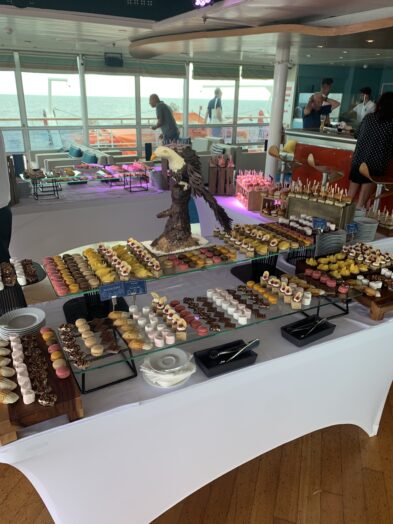
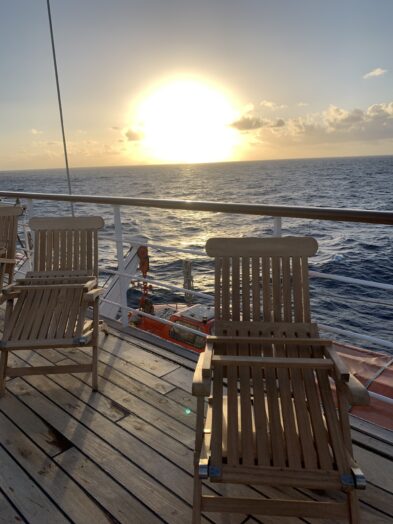
I sailed on the Club Med 2 in the British Virgin Islands, and the food was one of the highlights.
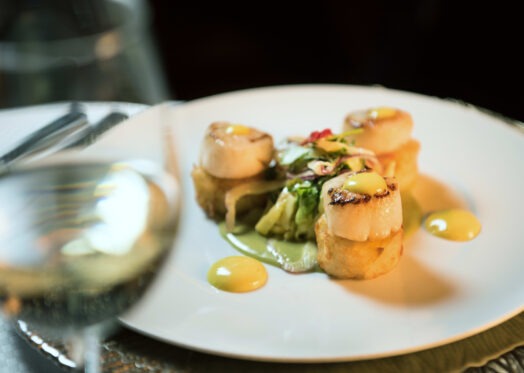
The French influence is strong, from the cooking style to the bread and pastries, and the sailing-ship experience itself feels completely different from a conventional Caribbean cruise.
I’d choose Club Med 2 specifically for the combination of French atmosphere, food and small-ship sailing rather than simply because you’re looking for a Caribbean cruise.

5. Celebrity Cruises: Best Premium Choice for Creative Dining
Celebrity is one of my favorite recommendations for travelers who want better food but aren’t ready to move into Regent-level pricing.
Its newer ships put considerably more emphasis on dining, with steakhouse, seafood and specialty restaurant options alongside the main dining venues.
Celebrity also works particularly well when you’re traveling with someone who doesn’t plan an entire vacation around food. You get the big-ship amenities while still having enough interesting dining choices to keep a food-focused traveler happy.
Compare Celebrity Caribbean cruises and current fares
6. Viking Ocean — Best for Destination-Focused Dining
Viking’s approach is particularly appealing to me because the food is intended to reflect the places you’re visiting.
Rather than treating the Caribbean simply as scenery outside the ship, Viking incorporates regional influences into its menus and puts considerable emphasis on destination experiences.
This is the line I’d consider if you’re as interested in what you’ll eat in San Juan or another port as what you’ll have for dinner onboard.
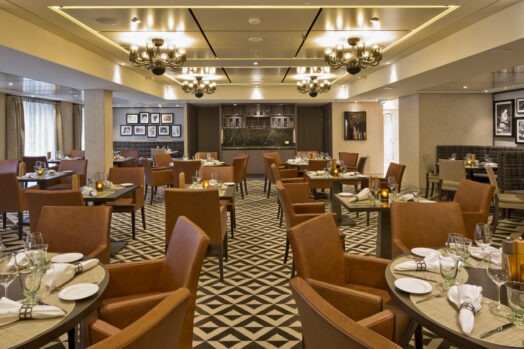
7. Holland America — Best Mid-Range Culinary Program
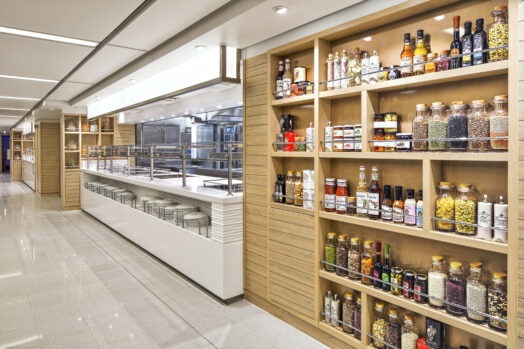
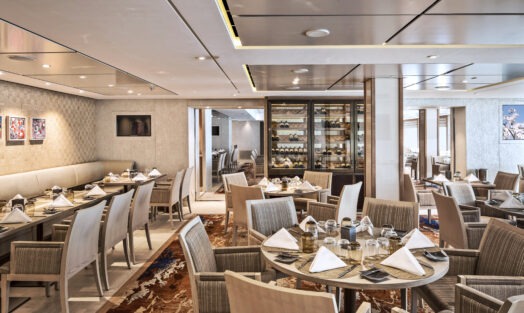
Holland America is worth considering if you want a traditional cruise experience with more attention paid to food than you might expect at this price level.
Specialty dining, culinary programming and a generally more grown-up onboard atmosphere make it a good alternative for travelers who don’t need an ultra-luxury ship.
It’s also a useful comparison point against Celebrity because you can often find Caribbean itineraries from both at considerably less than the luxury lines.
See current Holland America Caribbean cruises
8. Princess Cruises — Best for Variety at Scale
Princess works well for travelers who want plenty of dining choices without making food the sole focus of the vacation.
Specialty restaurants, Chef’s Table experiences and casual options give you enough variety that a weeklong Caribbean cruise doesn’t become repetitive.
It’s particularly worth comparing Princess against Holland America and Celebrity when itinerary and price are important parts of your decision.
9. Norwegian Cruise Line — Best for Dining Flexibility
Norwegian’s biggest advantage is choice.
Its Freestyle Dining approach works particularly well if you dislike fixed dining times or you’re traveling with people who have very different tastes.
I was upgraded to Norwegian’s Prima and highly recommend it. The larger ships offer an enormous range of restaurants, from steakhouses and French dining to casual concepts.
Which Caribbean Cruise Should You Book?
If food is your number-one priority, I’d start with Oceania.
For an all-inclusive luxury experience, I’d choose Regent. For a small-ship experience, Windstar is particularly appealing. Celebrity offers one of the better compromises between elevated dining and price, while Holland America, Princess and Norwegian are worth comparing if budget and broader onboard amenities matter.
The important thing is to compare the total trip rather than the advertised starting fare. Look at what’s included, the itinerary, cabin category, specialty dining costs and shore excursions before deciding.
Compare Caribbean cruise itineraries, dates and current fares on CruiseDirect
Best Caribbean Ports for Food Lovers
The ship is only half of the experience. For a food-focused Caribbean itinerary, I particularly like seeing Grenada, Puerto Rico, Barbados, St. Lucia and St. Maarten on the schedule.
Grenada stands out for spices and farm-to-table experiences. Old San Juan has a genuine food scene that rewards getting away from the immediate cruise terminal. Barbados combines rum culture with excellent Bajan food, while St. Lucia has interesting farm-to-table experiences beyond the beaches.
St. Maarten gives you two distinct culinary cultures on one island. If you have enough time in port, head to the French side for lunch.
This is one reason I wouldn’t choose a cruise based entirely on the ship. If two cruises are similarly priced, I’d choose the itinerary with the better food ports.
Best Caribbean Food Experiences to Book in Port
Some of my favorite choices include spice and market tours in Grenada, rum experiences in Barbados, food tours in Old San Juan and cooking experiences in St. Lucia or St. Maarten.
Independent excursions can often be smaller and more food-focused than standard cruise-line tours, although you need to pay careful attention to the ship’s departure time when booking independently.
Some of my favorite Caribbean food experiences happen off the ship. In Grenada, spice and food tours are a great way to experience the island beyond the beaches, while Old San Juan food tours introduce you to Puerto Rican specialties and local restaurants. In Barbados, look for rum and food experiences, and in St. Lucia you can find food, chocolate and cooking experiences. Independent excursions can often be smaller and more food-focused than standard cruise-line tours, although you need to pay careful attention to your ship’s departure time when booking independently.
When Should You Book a Caribbean Cruise?
If you have a particular ship, cabin category or culinary experience in mind, I wouldn’t wait for a last-minute bargain.
Popular cabins and specialty experiences can disappear well before departure. Caribbean cruises operate throughout much of the year, but winter brings the greatest selection along with higher demand.
Shoulder-season sailings can provide better value, but hurricane-season travel requires more flexibility.
The best approach is to compare several dates rather than searching for one exact departure.
Check Caribbean cruise prices for your travel dates
My Final Thoughts
I wouldn’t book a Caribbean cruise solely because someone says the food is “good for a cruise.” There are now enough genuinely good culinary options that food travelers can be much more selective.
For me, Oceania is the place to start if dining is the priority. Regent makes sense if you want the luxury experience to be genuinely inclusive, and Windstar is hard to beat if you prefer smaller ships. Celebrity is the one I’d look at when I want to balance food, amenities and price.
But compare the itinerary as carefully as the ship. A great dinner followed by a day eating your way through Grenada or Old San Juan is what turns a good Caribbean cruise into a genuinely memorable food trip.
Looking for a smaller population cruise in Caribbean in march/April that high quality food and service
Windstar offers great small cruises with amazing food!