

Best Cooking Classes in Europe (Actually Worth Booking in 2026)
This post contains affiliate links. If you book through them, I may earn a small commission at no extra cost to you. I only recommend experiences I’d book myself.
If you want to understand a place, eat its food. If you want to understand its food, learn to cook it. Cooking classes are one of my favorite ways to travel, and Europe does them better than anywhere else. You’re not just following a recipe. You’re learning techniques that have been passed down for generations, shopping in local markets, and sitting down to meals that feel personal in a way restaurants rarely do.
I’ve taken cooking classes across Europe, and the ones that stay with me aren’t about perfection. They’re about the nonna who’s been hand-rolling pasta for 60 years, the chef who forages herbs from the coastline, the instructor who treats a family recipe like a story worth protecting.
If you’re planning a food-focused trip, these are the destinations where cooking classes are genuinely worth building your itinerary around.
Quick Picks: Best Cooking Classes in Europe
If you’re skimming or trying to decide quickly, start here:
- Best overall experience: Tuscany farmhouse cooking class + wine tasting
- Best for pastry lovers: Paris macaron workshop in Le Marais
- Best market-to-table class: Barcelona paella class with La Boqueria visit
- Best unique experience: The Art of Danish Pastry in Copenhagen
- Best value: Budapest Hungarian cooking class + market visit
- Best underrated food city: Lisbon cooking class + pastéis de nata workshop

How to Choose the Right Destination
Each country offers a completely different type of cooking experience. Choosing the right one makes a big difference.
- Italy (Tuscany): Rustic, immersive, hands-on cooking in countryside villas
- France (Paris): Technique-driven, pastry-focused, precision cooking
- Spain (Barcelona): Social, lively, market-based experiences
- Denmark (Copenhagen): Ingredient-driven, modern, and experimental
- Hungary (Budapest): Hearty, traditional, comfort food cooking
- Greece (Crete): Simple, seasonal, ingredient-first Mediterranean cooking
- Portugal (Lisbon): Seafood-focused with iconic pastry techniques
Cooking Classes in Tuscany, Italy
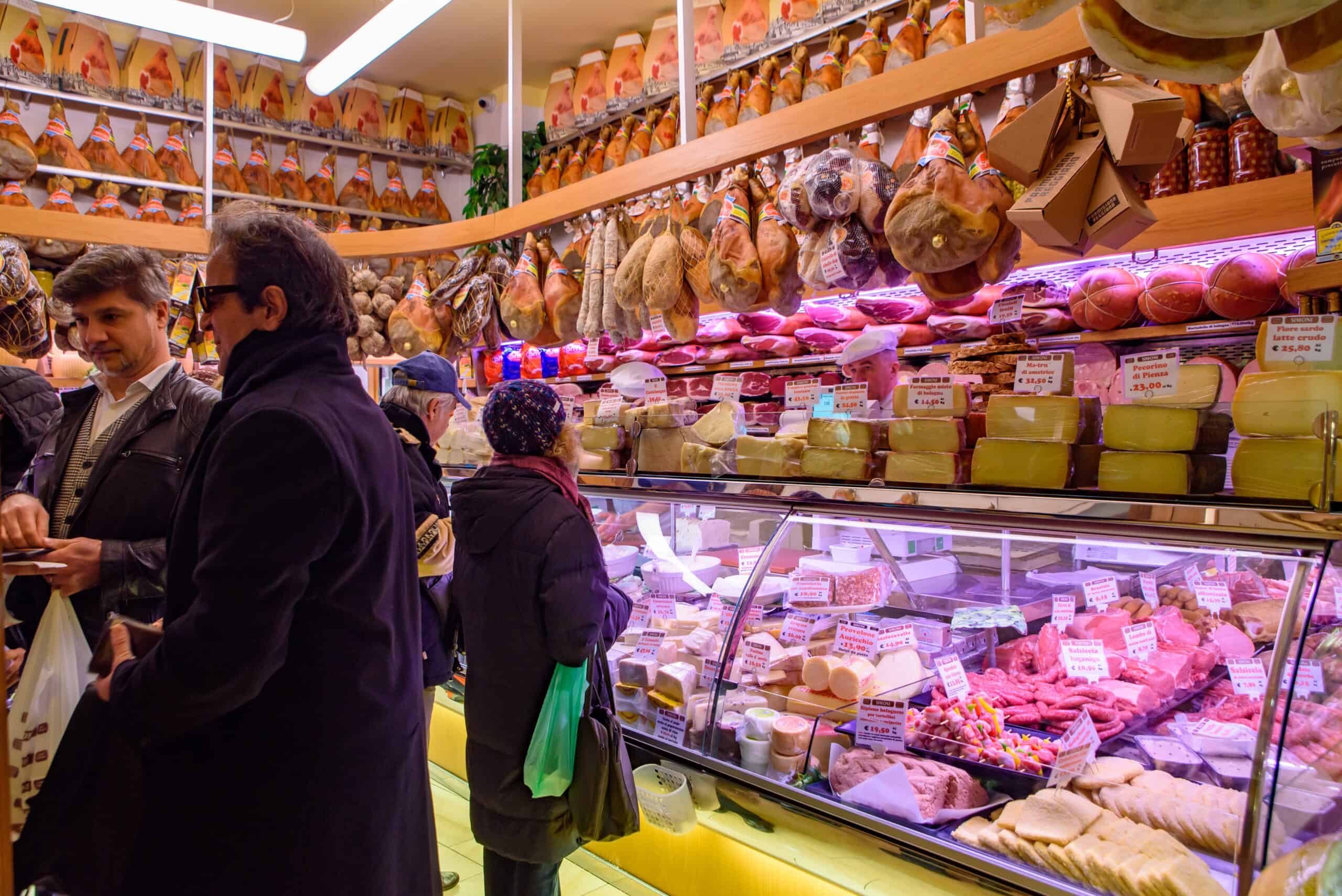
Tuscany is the kind of place that makes you want to slow down and stay awhile. Rolling vineyards, olive groves, stone farmhouses. It’s not just a backdrop, it’s part of the experience. Cooking classes here are typically held in family-run villas or agriturismos, and they feel more like being invited into someone’s home than attending a formal class. You’ll make fresh pasta from scratch, learn to balance simple ingredients properly, and finish with a long meal paired with local wine.
This is the class to book if you want the full experience:
→ Tuscany farmhouse cooking class + wine tasting
If you want something shorter but still immersive:
→ Florence pasta making class with wine pairing
Many of these experiences include a market visit or vineyard stop, which makes them feel like a full-day activity rather than just a class.
Tuscany classes tend to book out early, especially in peak season, so it’s worth locking this in as soon as your dates are set.
Where to Stay in Tuscany
If you’re planning your trip around a cooking class, where you stay shapes the entire experience. Tuscany is less about convenience and more about atmosphere, so it’s worth choosing a hotel that actually feels like part of the trip.
If you want the full countryside experience, this is where to stay:
- Castello di Casole is one of those places that feels like Tuscany in your imagination. Think rolling hills, olive groves, and a restored estate where you can go from a cooking class straight into a wine tasting without ever leaving the property. This is the stay if you want your entire trip to revolve around food, wine, and scenery.
→ Check rates for your dates

If you want a balance of access and experience:
- Hotel Spadai (Florence) puts you right in the historic center, which makes it easy to explore markets, restaurants, and day trips into the countryside for cooking classes. It’s one of the easiest “yes” bookings if this is your first time in Tuscany.
→ See availability and room choices for your dates
If you want something quieter and more atmospheric:
- Grand Hotel Continental Siena gives you a slower, more traditional Tuscan feel, with easy access to countryside classes but fewer crowds than Florence.
→ See what it costs for your exact dates
If you’re planning to take classes outside the main cities, renting a car will make everything significantly easier. The best experiences are rarely in the places you can reach by train.
Cooking Classes in Paris, France
Paris is where you go if you want to learn technique. Pastry classes here are precise, structured, and incredibly satisfying. You’ll learn how to make macarons properly, not just follow steps but understand why they work. You’ll leave knowing how to recreate them at home, which is both empowering and slightly dangerous.
If you only book one experience in Paris, make it this:
→ Paris macaron baking class in Le Marais
For something more classic:
→ French dessert class (tarte Tatin + pastries)
These classes are polished, well-run, and genuinely skill-building.

Where to Stay in Paris
Paris is one of the easiest cities in Europe to plan, but choosing the right neighborhood makes a big difference, especially if your trip revolves around food and cooking classes.
If you want to walk to everything and be surrounded by bakeries and markets:
- Pavillon de la Reine sits tucked into Place des Vosges in Le Marais, one of the most walkable and food-focused neighborhoods in the city. It’s quiet, elegant, and exactly where you want to be if your days revolve around pastry classes and café stops.
→ Find your room before it sells out

If you want boutique charm in the center of it all:
- Les Tournelles is a smaller, design-forward hotel that puts you steps from cooking schools, markets, and some of the best casual food in Paris. It’s an easy choice if you want location without overthinking it.
→ Unlock current pricing for your dates
If you want something that feels distinctly Parisian without going full luxury:
- Hôtel Caron de Beaumarchais feels like staying in a classic Paris apartment, right in the heart of Le Marais. It’s a great fit if you want something with character that still puts you close to everything.
→ See what it costs to stay here right now
You don’t need a car in Paris. Between walking and the Metro, getting to your class is usually part of the experience.
Cooking Classes in Barcelona, Spain
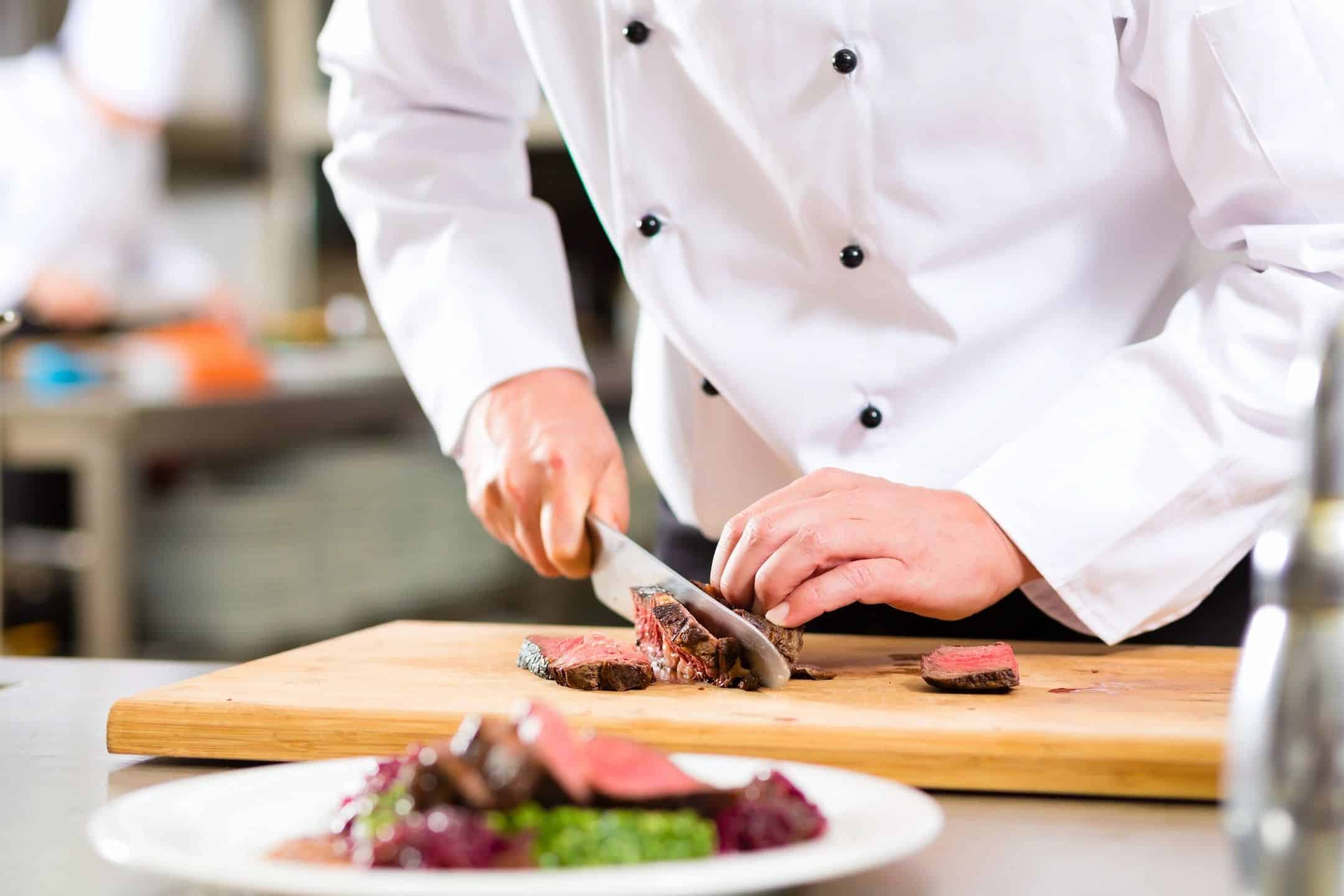
Barcelona cooking classes start in the market, which is exactly how they should. You’ll walk through La Boqueria or a neighborhood market with a chef, choosing ingredients based on what’s freshest that day. Then you’ll head to the kitchen to cook it.
Paella is the main event, and getting the socarrat right, that crispy layer of rice at the bottom of the pan, is the goal.
This is one of the most popular experiences in the city:
→ Barcelona market tour + paella cooking class
For a slightly more relaxed option:
→ Spanish tapas cooking class with wine
These classes are social, interactive, and a great way to meet other travelers.
Where to Stay in Barcelona
Barcelona is incredibly easy to navigate, so the goal here is to stay somewhere that puts you within walking distance of markets, restaurants, and your cooking class.
If you want a central, no-stress location:
- H10 Madison is one of the easiest hotels to recommend. It’s right near the Gothic Quarter, which means you can walk to La Boqueria, your cooking class, and most of the city’s major food spots without thinking about logistics.
If you want something a little more design-forward:
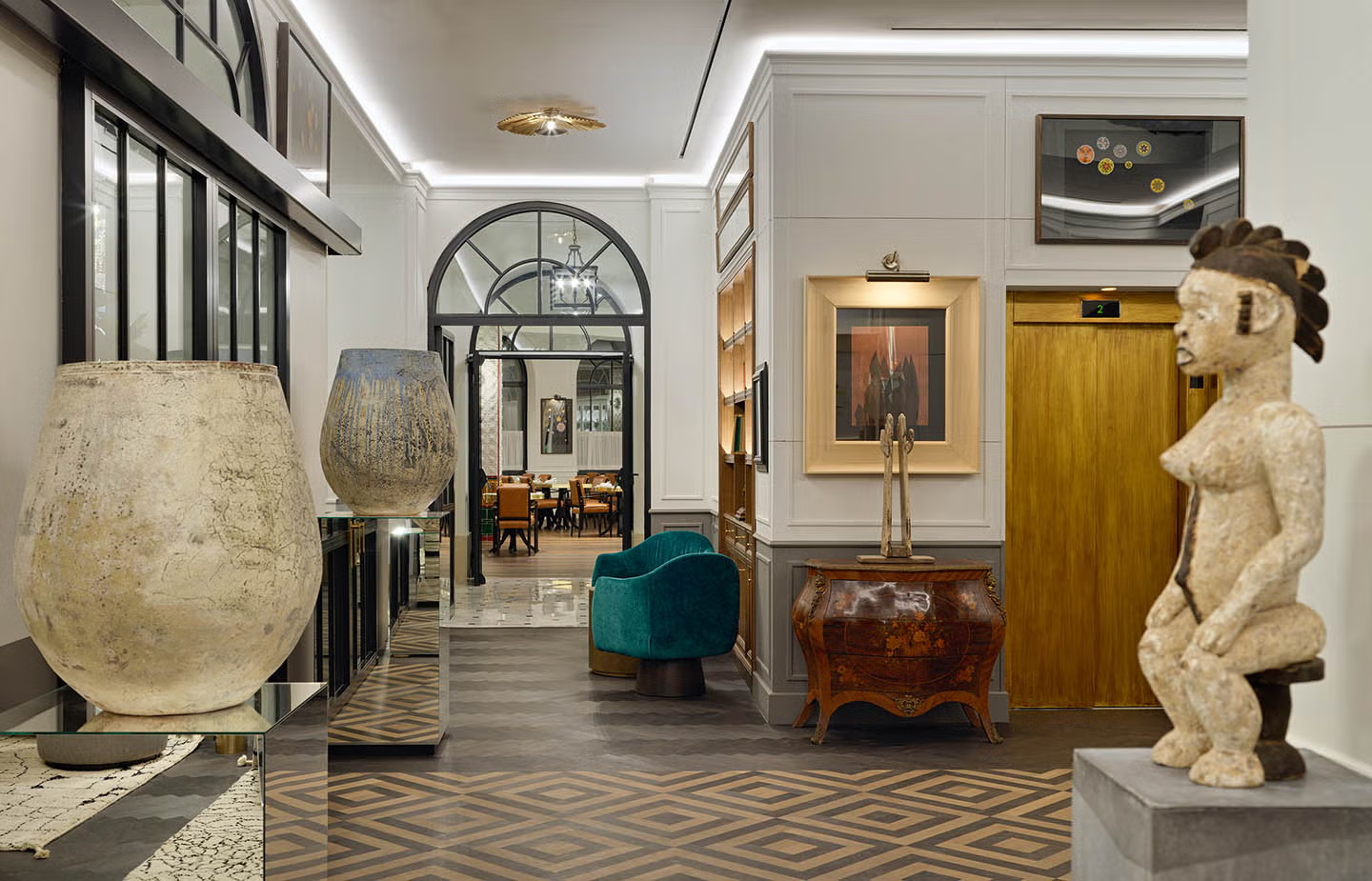
- Miiro Borneta sits in El Born, one of the best neighborhoods in the city for food. You’re close to markets, tapas bars, and cooking experiences, with a slightly more local feel than the busiest tourist areas.
→ Check luxury rates for your travel dates

If you want a stay that feels like part of the food experience:
- Hotel Praktik Bakery is built around an actual working bakery, and you’ll smell fresh bread the moment you walk in. It’s one of the most memorable places to stay in Barcelona and a natural fit for a food-focused trip.
→ View availability at this iconic hotel
Barcelona is very walkable, and public transportation is excellent, so once you’re checked in, you likely won’t need a car at all.
Cooking Classes in Copenhagen, Denmark
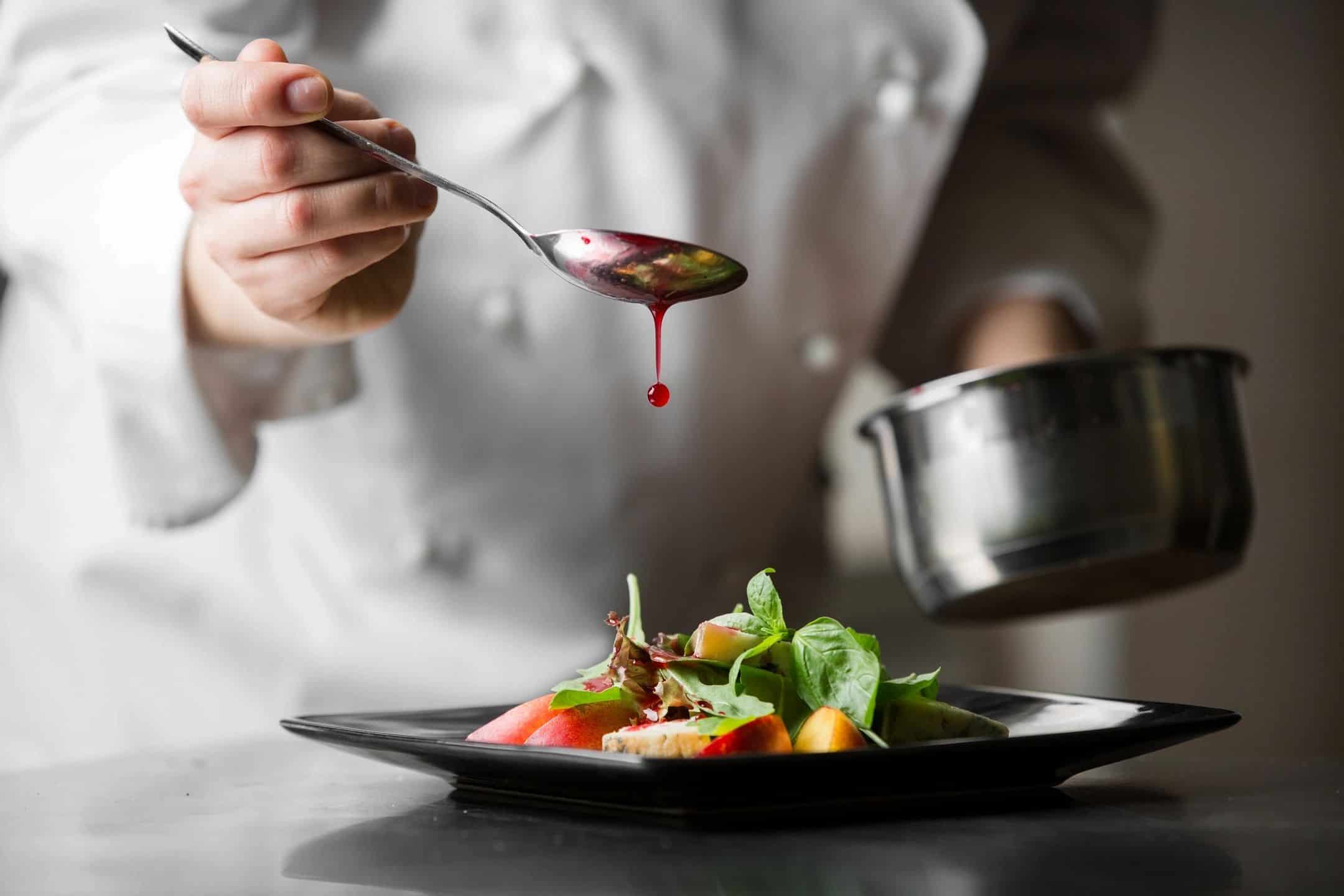
Copenhagen offers a completely different kind of cooking class. This isn’t about tradition, it’s about ingredients. Many classes start with foraging, walking along the coastline or through fields to collect herbs, greens, and edible plants. Then you cook with them.
This is the experience to book if you want something unique:
→ The Art of Danish Pastry in Copenhagen
Expect dishes built around what you found, not what was planned.
Where to Stay in Copenhagen
Copenhagen is compact and easy to navigate, so staying central gives you access to everything without much planning.
If you want a stylish, central base:
- Hotel Sanders is one of the most beautiful hotels in the city, with a refined, residential feel that makes it a great place to come back to after a day of cooking and exploring.
→ See why travelers love staying here
If you want something social and well-located:
- SP34 Hotel sits in the Latin Quarter and has a relaxed, creative vibe that fits well with the city’s food scene.
→ Check availability at this hidden gem

If you want something simple, modern, and reliable:
- CitizenM Copenhagen Radhuspladsen gives you a central location with a streamlined, no-fuss experience that works well if you’re spending most of your time out exploring.
→ See what it costs for your exact dates
Copenhagen is one of the easiest cities in Europe to get around, whether by bike, walking, or public transport.
Cooking Classes in Budapest, Hungary
Budapest is one of Europe’s most underrated food cities. Cooking here is hearty, comforting, and rooted in tradition. You’ll learn to make dishes like goulash, strudel, and lángos, all built around bold flavors and simple techniques.
This is a great value experience:
→ Hungarian cooking class + market visit
Classes are relaxed, welcoming, and often include generous tastings.

Where to Stay in Budapest
Budapest is one of my favorite foodie cities and it’s surprisingly easy to navigate, so your focus should be staying somewhere central with good access to food, markets, and walking routes.
If you want a stay that feels like part of the experience:
- Aria Hotel Budapest is one of the most memorable hotels in the city, with a rooftop overlooking St. Stephen’s Basilica and a level of service that makes it feel like a splurge worth making.
→ Check rates for your travel dates now
If you want a polished boutique option in a perfect location:
- Hotel Moments Budapest sits right on Andrássy Avenue, putting you within walking distance of major sights, markets, and cooking class meeting points.
→ View rooms and pricing for your stay
If you want something more design-forward and fun:
- Stories Boutique Hotel is right in the Jewish Quarter, which is one of the best areas in the city for food, nightlife, and easy access to experiences.
→ See what it costs for your exact dates
Budapest is very walkable in the center, and public transport fills in the gaps easily.
Cooking Classes in Crete, Greece
Crete is where Mediterranean cooking feels the most authentic. Classes often take place outdoors, surrounded by olive trees or overlooking the sea. You’ll cook with ingredients that were likely harvested that morning.
This is a great experience to book:
→ Crete farm-to-table cooking class with olive oil tasting
Expect simple dishes done exceptionally well.
Where to Stay in Crete
Crete is more spread out than most destinations on this list, so choosing the right base and having a car makes a big difference.
If you want a modern, elevated stay with access to local experiences:
- Domes Zeen Chania blends contemporary design with a strong connection to local culture. It’s a great choice if you want to pair a cooking class with a more curated, high-end stay.
→ Find your room before it sells out
If you want charm and location in the old town:
- Casa Delfino Hotel & Spa sits in the heart of Chania’s historic center, making it easy to explore local markets, restaurants, and nearby cooking experiences.
→ Unlock current pricing for your dates

If you want a more luxurious, resort-style experience:
- Phāea Blue offers incredible views and access to some of the island’s best food experiences, with the added benefit of a full-service resort.
→ See what it costs to stay here right now
You’ll want to rent a car in Crete. The best cooking classes and food experiences are scattered across the island.
Cooking Classes in Lisbon, Portugal
Lisbon is one of the most charming places in Europe to take a cooking class. The cuisine is built around seafood, bold flavors, and iconic pastries like pastéis de nata.
This is the class to book:
→ Lisbon cooking class + pastéis de nata workshop
You’ll learn both savory and sweet dishes, which makes it feel like a complete experience.
Where to Stay in Lisbon
Lisbon is one of those cities where your neighborhood shapes your entire experience. For a food-focused trip, you want to be somewhere atmospheric, walkable, and close to both markets and cooking classes.
If you want views, character, and a true sense of place:
- Memmo Alfama sits in the heart of Alfama with sweeping views over the Tagus River. It’s quiet, intimate, and perfectly placed if you want to wake up, wander narrow streets, and end your day with a cooking class and wine.
→ Check luxury rates for your travel dates
If you want something more polished and central:
- The Lumiares Hotel & Spa in Bairro Alto gives you apartment-style space with a luxury feel, right in one of Lisbon’s most vibrant food neighborhoods. This is a great choice if you want to combine cooking classes with restaurants and nightlife.
→ View availability at this iconic hotel

If you want an easy, well-located stay without overthinking it:
- Lisboa Pessoa Hotel sits between Chiado and Bairro Alto, making it incredibly convenient for walking to cooking classes, markets, and viewpoints.
→ See why travelers love staying here
Lisbon is very walkable, but it’s hilly. Plan your days accordingly and wear comfortable shoes.
Sample 7-Day Tuscany Foodie Itinerary
If you want to turn this into a full trip, Tuscany is one of the easiest places to do it.
- Day 1: Arrive in Florence, check into your hotel, explore local markets
- Day 2: Tuscany cooking class + wine tasting
- Day 3: Wine tour in Chianti
- Day 4: Free day to explore Siena or nearby villages
- Day 5: Second cooking class or food tour
- Day 6: Olive oil tasting + countryside exploration
- Day 7: Departure
Base yourself in Florence or split your stay between Florence and the countryside for a more immersive experience.
Planning a Longer Culinary Stay
If you’re staying in one place for a week or more, consider using TrustedHousesitters as an alternative to hotels. It’s a way to stay in a real home while caring for pets, which gives you access to a kitchen, local markets, and a more lived-in experience.
It works especially well in places like Tuscany, Lisbon, and smaller European cities where you want to settle in and cook between classes.
If you’re planning a food-focused trip to Europe, cooking classes are one of the easiest ways to turn a good trip into something unforgettable. The best strategy is to choose your destination first, book your class early, and then plan the rest of your itinerary around it.
If you’re deciding between destinations, start with Tuscany or Paris. If you want something more unique, Copenhagen or Crete will give you a completely different perspective. Either way, this is one experience you won’t regret building your trip around.