
10 Best Foodie Travel Destinations for Food Lovers in 2026
I have a confession: I have never once chosen a destination for the beach. I choose it for the food. And then, maybe, I’ll take a walk near some water after dinner.
After 35 years of eating my way around this planet for a living, I have strong opinions about what makes a destination genuinely worth the flight — and “has good restaurants” doesn’t cut it. Every city has good restaurants. What I’m looking for is a place where food IS the culture. Where the market is the attraction. Where you can eat badly only if you’re actively trying to.
These are my ten picks for the best foodie travel destinations in 2026 — a mix of perennial greats that keep earning their reputation and a few destinations that are having a genuine moment right now. Every single one of them is a place where I’d happily eat my way through a week and come home already planning the return trip.
10 Best Travel Destinations for Food Lovers
1. Tuscany and Umbria, Italy
Best for: Farm-to-table dining, wine lovers, slow food culture
If there is one food destination I return to every year without question, this is it. I’ve written about Tuscany and Umbria separately before, but together they form what I’d argue is the most complete culinary region on earth — rolling hills, extraordinary olive oil, hand-rolled pasta, bistecca Fiorentina, black truffles, and wine that makes you quietly reassess every bottle you’ve ever opened at home.
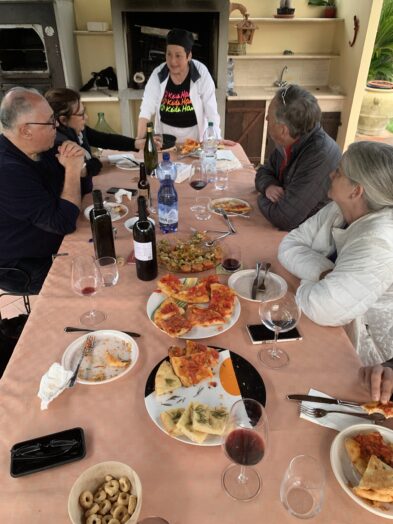
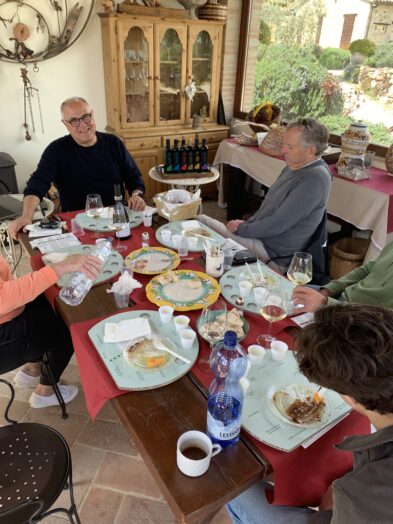
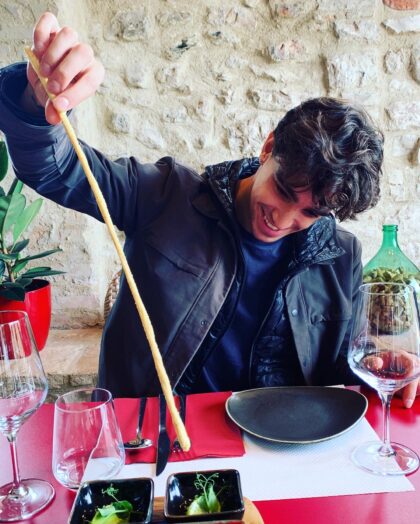
Italy is having a banner year for food travelers in 2026. The Amalfi Coast just got a new Belmond train service from Paris, Venice is buzzing with luxury hotel and restaurant openings, and the Italian culinary tradition continues to collect Michelin stars like they’re going out of style. But for my money, Tuscany and Umbria remain the soul of Italian food travel — less performative, more personal, and consistently extraordinary.
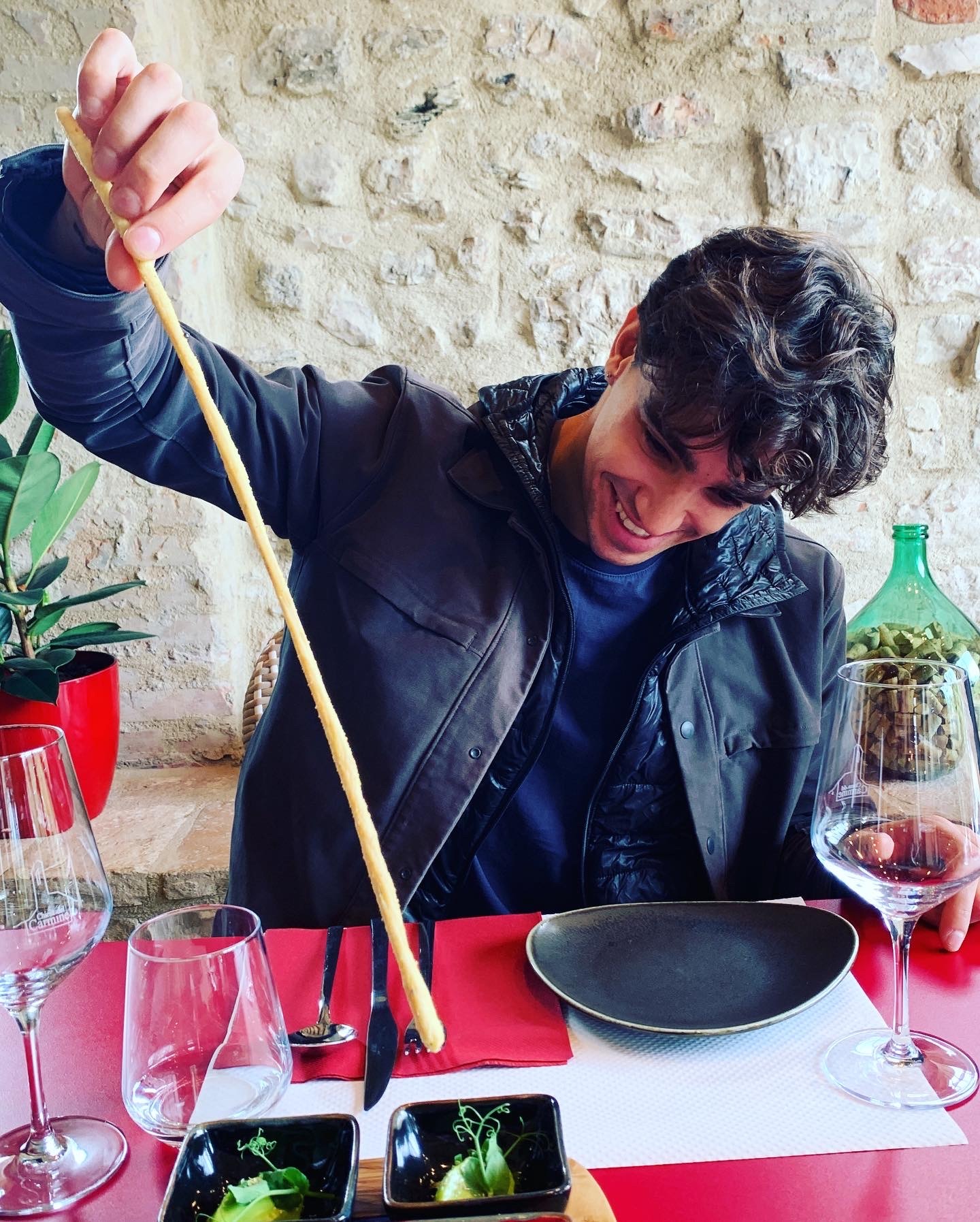
My top recommendation in this region right now is Chiesa del Carmine near Perugia — a winery I’ve been sitting on because it genuinely deserves a full post (coming soon). Book the tasting and say yes to the full meal. Just trust me.
What to eat: Pici cacio e pepe, bistecca Fiorentina, black truffle pasta, pecorino di Pienza, ribollita, panzanella
Don’t miss: Book a Tuscany food and wine experience — cooking classes, winery tours, and truffle hunting experiences are plentiful and genuinely worth booking in advance.
2. Kyoto, Japan
Best for: Kaiseki dining, tea culture, deeply seasonal cuisine
Kyoto is where Japanese food stops being impressive and starts being philosophical. This is not Tokyo’s sushi-and-ramen energy — Kyoto’s culinary identity is rooted in kaiseki, the multi-course dining tradition built entirely around seasonal ingredients, prepared with a precision that borders on devotional. Each dish arrives as a considered statement: a single pickled plum, a grilled fish prepared the same way for five generations, a bowl of broth that tastes like someone distilled autumn into it.
Japan has been one of the world’s top travel destinations for several years running, driven in large part by the extraordinary depth of regional food culture. Kyoto specifically rewards visitors who slow down, eat at odd hours, and wander into the markets.
Don’t skip the matcha. Drinking a freshly whisked bowl in a traditional tea house surrounded by a moss garden is one of those travel moments that simply doesn’t translate to a photo. You have to be there.
What to eat: Multi-course kaiseki, matcha and wagashi, tofu kaiseki, yudofu, obanzai (Kyoto home cooking)
Don’t miss: A Kyoto food tour or tea ceremony experience — Nishiki Market tours and sake tastings book out fast, especially in spring and autumn.
3. Crete, Greece
Best for: Mediterranean food culture, olive oil, hyper-local produce, wine
My family visited Crete for Spring Break when we lived in Italy and aside from amazing scenery, the food is simply off the charts!
New for 2026: Crete is this year’s European Region of Gastronomy — a designation that officially, finally, puts the spotlight on a food culture that has been extraordinary for centuries without needing anyone’s permission. The island is celebrated for its locally grown produce, outstanding extra-virgin olive oil, and dishes like dakos — barley bread piled with tomatoes, crumbly cheese, and oregano — that sound simple and taste revelatory.
This is also the heartland of the Cretan diet, considered one of the healthiest ways of eating on earth, built around olive oil, legumes, wild greens, seafood, and local cheeses like graviera and mizithra. The island’s wine regions are producing serious bottles. And the pace of life — long lunches, local tavernas, market mornings — is exactly what I want from a food trip.
Put this on your radar now, before it gets the kind of attention that changes the experience of being there.
What to eat: Dakos, lamb with stamnagathi (wild greens), fresh graviera, grilled octopus, bougatsa
Don’t miss: A Crete food and culture tour — olive oil tastings and Chania market tours are the best way to get under the skin of Cretan food culture.
Crete is also a regular stop on Eastern Mediterranean cruise itineraries, with ships calling at Heraklion and occasionally Chania. For a first visit, a cruise stop gives you a genuine preview of the food and the landscape before you decide whether to come back for a dedicated trip — which, in my experience, you will. Browse Eastern Mediterranean cruises that include Crete on CruiseDirect.
4. Lima, Peru
Best for: Ceviche, innovative fine dining, extraordinary culinary fusion
Lima has quietly become one of the most exciting culinary capitals on earth. In fact, my favorite local chef in St Augustine just returned from a food journey there! Peruvian cuisine is the product of an unusually complex history — Indigenous, Spanish, African, Japanese, and Chinese influences layered over centuries — and the result is something utterly unlike anywhere else. The ceviche alone justifies the flight: fresh white fish marinated in leche de tigre, with ají amarillo, red onion, and sweet potato. Bracingly acidic and perfect.
Then there’s lomo saltado, the Chinese-Peruvian stir-fry that somehow became a beloved national staple, and causa, a cold potato terrine that sounds pedestrian and tastes magnificent. Lima also has some of the world’s most acclaimed tasting-menu restaurants — perennial fixtures on the World’s 50 Best list. If you want serious fine dining alongside outstanding street food in the same city, Lima is your destination.
What to eat: Ceviche, lomo saltado, causa, anticuchos, tiradito, ají de gallina
Don’t miss: A Lima food tour — Surquillo Market tours and Miraflores neighborhood tastings give you the full picture from street food to fine dining.
5. Barcelona, Spain
Best for: Tapas culture, seafood, market dining, Michelin-starred restaurants
Barcelona’s food scene is as layered and energetic as the city itself, and I’ve never left without already planning the next trip. The Catalan culinary tradition goes far deeper than the tourist trail — yes, there’s pan con tomate and patatas bravas and paella, but there’s also a serious haute cuisine scene, extraordinary neighborhood tapas bars, and a produce market culture that is genuinely worth a morning of your life.
On a recent visit, we did a food tour through La Boqueria Market that I’d send anyone to, even seasoned market-goers. The jamón counter alone could occupy an hour. The seafood is extraordinary. And beyond the market, the Born neighborhood’s pintxos bars and the Eixample’s Michelin-starred restaurants give you an embarrassment of good options in every direction.
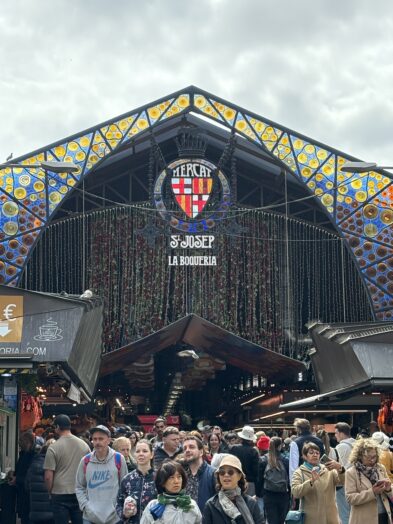
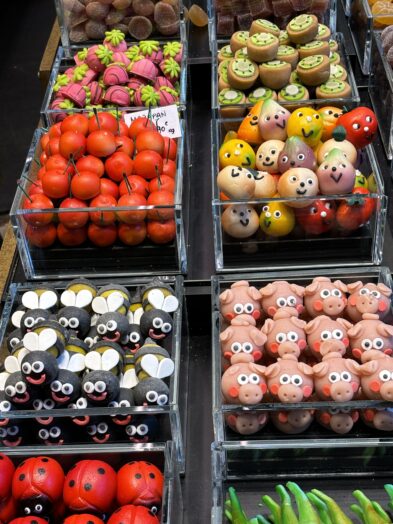
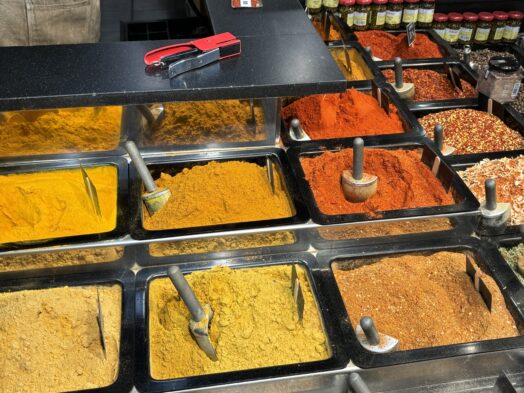
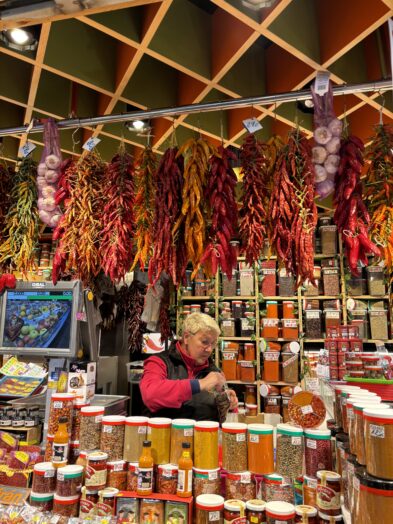
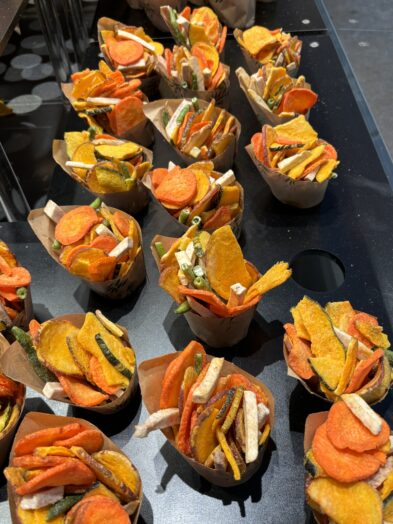
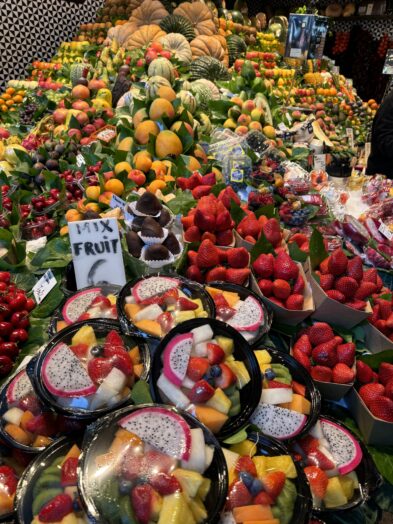
What to eat: Pan con tomate, jamón ibérico, patatas bravas, paella valenciana, fideuà, crema catalana
Don’t miss: Book a Barcelona food tour — La Boqueria market tours and tapas crawls through El Born are among the best-reviewed food experiences in Europe and sell out weeks in advance.
6. New Orleans, USA
Best for: Creole and Cajun cooking, American food history, bar and music culture
New Orleans is the one American city that has always functioned as a culinary destination in the European sense — where food is culture, identity, ritual, and joy all at once. The blend of French, African, Spanish, and Creole influences has created something entirely its own, and it rewards visitors who go deeper than the obvious hits.
2026 is a particularly good year to visit. The US is celebrating its 250th anniversary, the American South is a top Michelin pick this year, and New Orleans anchors all of it. Yes, eat a beignet at Café Du Monde. But also find a neighborhood joint doing proper red beans and rice, a crawfish étouffée that takes forty minutes to arrive because it’s being made correctly, and a po’boy from somewhere that doesn’t have a gift shop.
My tip: stay at the wonderfully eccentric Pontchartrain Hotel and end every evening at the Hot Tin Roof(top) bar with a Sazerac.
What to eat: Beignets, po’boys, crawfish étouffée, jambalaya, red beans and rice, oysters, muffuletta
Don’t miss: A New Orleans food tour — the French Quarter and Bywater neighborhood tours give you the full Creole and Cajun spectrum in a single afternoon.
7. Mexico City, Mexico
Best for: Street food culture, modern Mexican cuisine, market dining
Mexico City operates at a culinary intensity that I find genuinely thrilling every time I visit – read about my recent food tour in Mexico City that was amazing. The taco culture alone could occupy a week: tacos al pastor on every corner, birria for breakfast, quesabirria dripping with consommé at midnight. The street food here is not an afterthought. It IS the food culture.
Beyond the street food, Mexico City’s restaurant scene has become one of the most exciting in the world — chefs offering contemporary interpretations of regional Mexican traditions, some of them holding spots on the World’s 50 Best list. The markets are extraordinary. The mezcal is excellent. The late-night dining hours suit my constitution perfectly.
What to eat: Tacos al pastor, quesabirria, tamales, mole negro, tlayudas, elotes, churros
Don’t miss: A Mexico City food tour — street food tours through Roma, Condesa, and the historic center markets are the fastest way to eat like a local from day one.
8. Bangkok, Thailand
Best for: Street food, late-night eating, bold flavors at every price point
Bangkok belongs on any serious foodie travel list for 2026, and I’d argue it belongs near the top. Food here follows its own rhythm — from early-morning soups to late-night noodles cooked over roaring flames — and it invites you to eat often, widely, and without really overthinking it. Street food is the backbone: Chinatown comes alive after dark, pad kra pao and boat noodles appear at every turn, and mango sticky rice from a cart will ruin you for every other dessert.
Bangkok also has one of the most dynamic fine dining scenes in Asia, with Michelin-starred restaurants sitting a ten-minute tuk-tuk ride from the best $2 bowl of noodles you’ve ever had. If there is a city on this list where you genuinely cannot eat badly — not even accidentally — Bangkok is it.
What to eat: Pad kra pao, boat noodles, mango sticky rice, green curry, som tam, Chinatown-style seafood
Bangkok also serves as a departure point for some Southeast Asia cruise itineraries, which is worth knowing if you want to pair a few days in the city with a broader regional trip. See Asia cruise itineraries on CruiseDirect to see what departs from or near Bangkok.
Don’t miss: A Bangkok street food tour — Yaowarat Road (Chinatown) night tours are legendary for good reason, and a guided Or Tor Kor Market visit is worth every baht.
9. Istanbul, Turkey
Best for: Middle Eastern and Mediterranean fusion, spice markets, mezes, kebabs
Istanbul feels like the crossroads of every food culture I love, which is exactly what it is geographically. I got a few wonderful days here en route to Abu Dhabi — as I wrote about in my post on finding cheap first class airfares — and it confirmed everything I’d suspected about this city’s cooking. But you can also visit Istanbul for free using the Turkish Airlines layover program.
Turkey consistently ranks among the world’s top food destinations, and the variety here is genuinely staggering. Tender lamb kebabs, flaky börek, rich meze spreads, simit from a street cart, and baklava so good it rearranges your priorities. The spice markets — the aromas, the colors, the samples pressed into your hand — are worth a trip on their own.
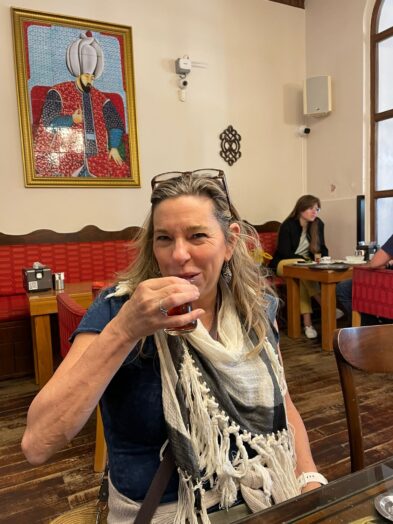
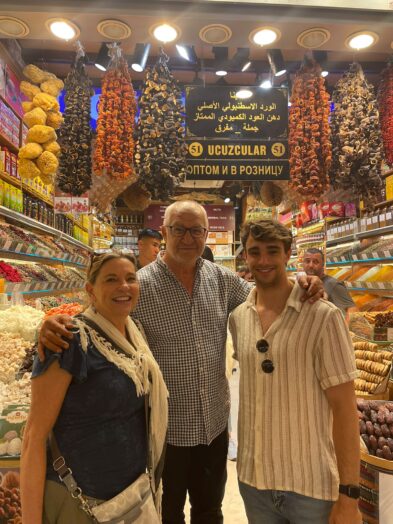
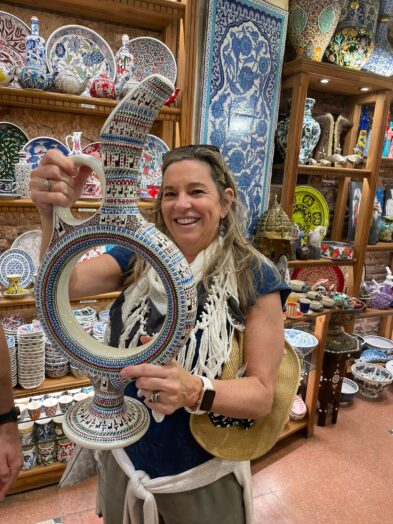
What to eat: İskender kebap (my absolute favorite!), börek, lahmacun, meze spreads, simit, baklava, a full Turkish breakfast spread
Don’t miss: A Istanbul food and spice market tour — the Grand Bazaar and Egyptian Spice Market tours combined with a cooking class make for a genuinely memorable day.
10. Cape Town, South Africa
Best for: Fresh seafood, Cape Winelands, diverse culinary traditions, coastal dining
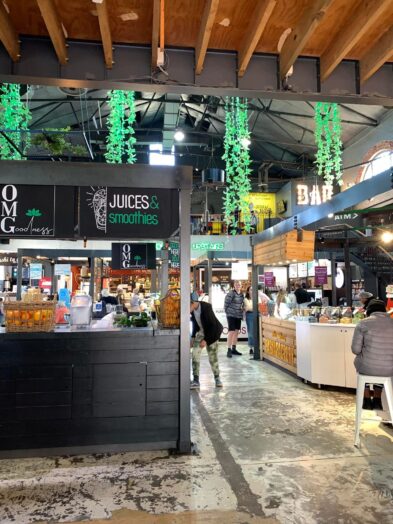
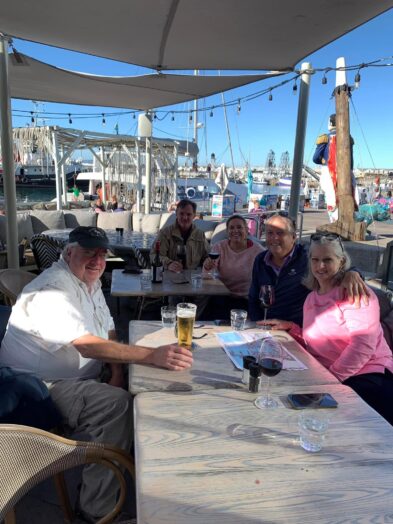
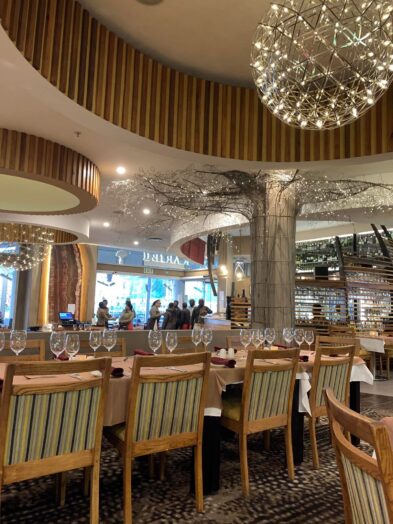
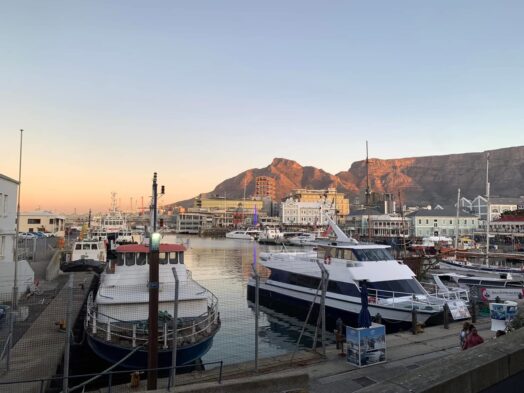
Before our recent safari, we spent a few days in Cape Town — and it immediately leapt onto my shortlist of cities I’d return to purely for the food. The culinary identity here is a fascinating blend of African, Dutch, Malay, and Cape Creole influences, built on an extraordinary ingredient base: fresh seafood from two oceans, locally grown produce, and some of the best wine in the southern hemisphere.
The Cape Winelands are a short drive from the city, and the combination of world-class wine with Cape Town’s dining scene makes this an increasingly serious food travel destination. We stayed right on the harbor at the Victoria & Alfred Hotel and spent every evening wandering to a different restaurant within walking distance.


What to eat: Braai (South African BBQ), bobotie, fresh crayfish and line fish, biltong, koeksisters, Cape Malay curry
Don’t miss: A Cape Town food and wine tour — a Stellenbosch or Franschhoek Winelands day trip combined with a waterfront market visit is the ideal Cape Town food day.
Which of these foodie destinations is calling your name for 2026? Drop it in the comments — and if we end up at the same food tour, that’s just fate.
This post contains affiliate links. If you book through them, I may earn a small commission at no extra cost to you — which helps keep this blog running and me eating well on the road. I only recommend experiences I’d book myself.