
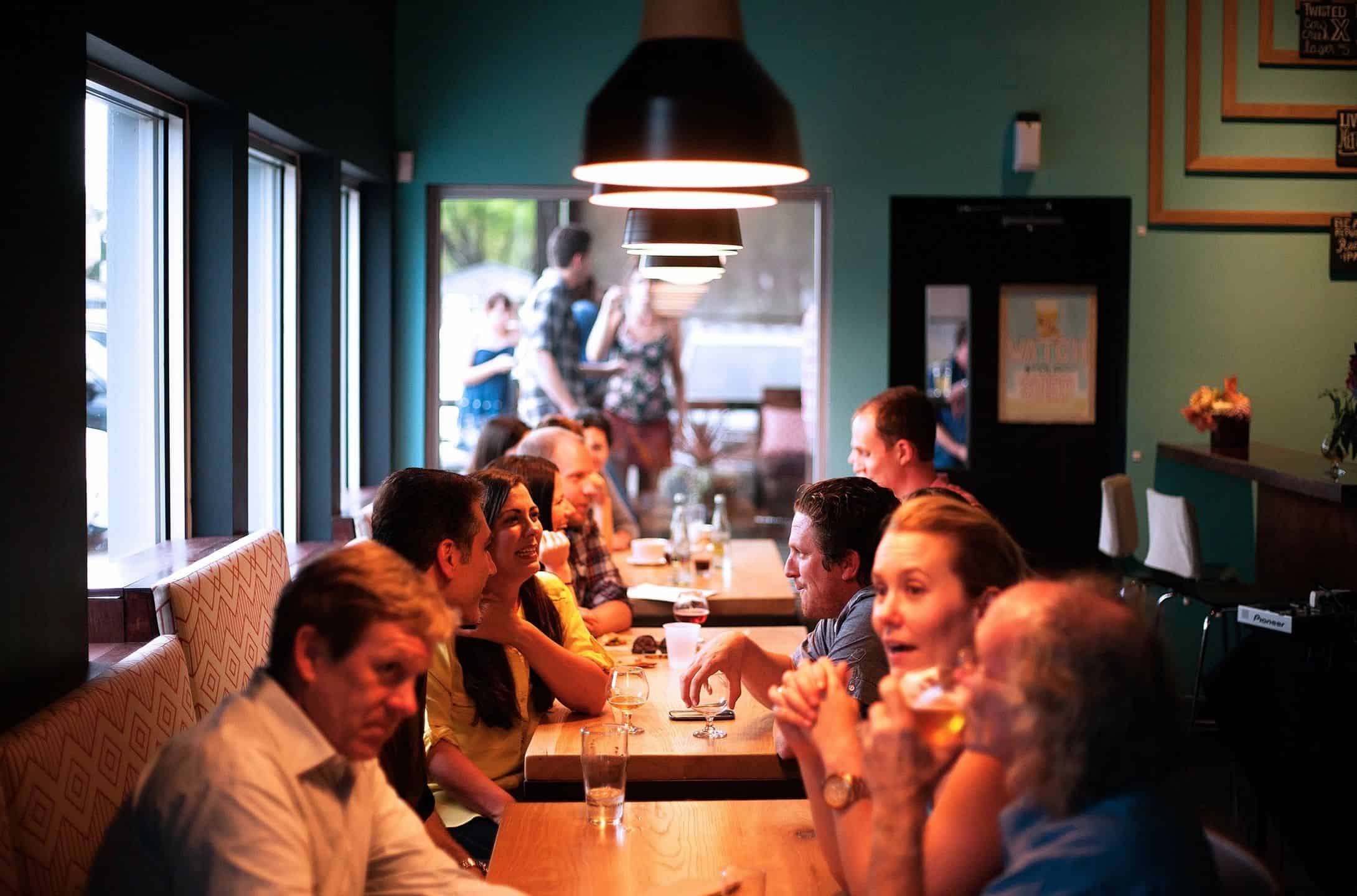
Why Food Tourism Is Becoming the New Luxury Travel
Over the past several years, I’ve noticed some of the most memorable luxury travel experiences are no longer centered around opulent hotels alone. Increasingly, travelers are planning trips around food markets, cooking classes, vineyard stays, and regional culinary traditions that create a deeper sense of connection to a destination.
There was a time when luxury travel was defined almost entirely by five-star hotels, private beaches, and first-class flights. Today, travelers are seeking something more meaningful and far more personal: connection through food.
Across the world, culinary experiences are becoming one of the strongest drivers behind travel decisions. Travelers are planning entire itineraries around cooking classes, market tours, vineyard stays, regional specialties, and chef-led dining experiences. Food tourism is no longer a niche interest reserved for dedicated foodies. It has become one of the most influential forces shaping modern luxury travel.
For destinations and hospitality brands, this shift presents a major opportunity.
Travelers Want Experiences That Feel Authentic
Luxury travelers are increasingly prioritizing immersion over excess. Instead of simply staying somewhere beautiful, they want to feel connected to the culture, traditions, and people who define a place. Food naturally creates that connection.
A cooking class in a Tuscan farmhouse tells travelers more about Italian culture than a resort pool ever could. A morning market tour in Mexico City offers insight into local traditions, ingredients, and daily life. A family-run vineyard in Portugal provides a story travelers will remember long after they return home.
These experiences create emotional resonance, and emotional resonance is what drives modern luxury travel. Travelers want stories they can tell, not just amenities they can photograph.
Culinary Travel Appeals to a More Intentional Traveler
Food tourism often attracts travelers who are curious, experience-driven, and willing to spend more for meaningful experiences.
This audience tends to:
- stay longer in destinations
- seek boutique and independently owned accommodations
- value craftsmanship and local culture
- spend more on guided experiences
- prioritize wellness and sustainability
- research destinations deeply before booking
For tourism boards and travel brands, this demographic is particularly valuable because they are highly engaged travelers rather than passive consumers. They are not simply looking for a vacation. They are looking for depth.
Social Media Changed the Way People Travel
Visual storytelling has played a major role in the rise of food tourism. Travelers are constantly exposed to images and videos of:
- vibrant street food markets
- vineyard dinners at sunset
- regional cooking classes
- chef tastings
- coastal seafood experiences
- hidden neighborhood cafés
Food has become one of the most powerful forms of travel storytelling because it instantly evokes emotion, atmosphere, and curiosity. A luxury hotel room may look beautiful on social media, but a slow pasta-making experience in Italy or an oyster tasting on the coast of Prince Edward Island creates a much stronger narrative. Destinations that embrace culinary storytelling are often far more memorable online.
Food Tourism Extends Beyond Restaurants
One of the biggest misconceptions about culinary travel is that it only revolves around fine dining.
Today’s food traveler is equally interested in:
- local farms and producers
- artisanal food makers
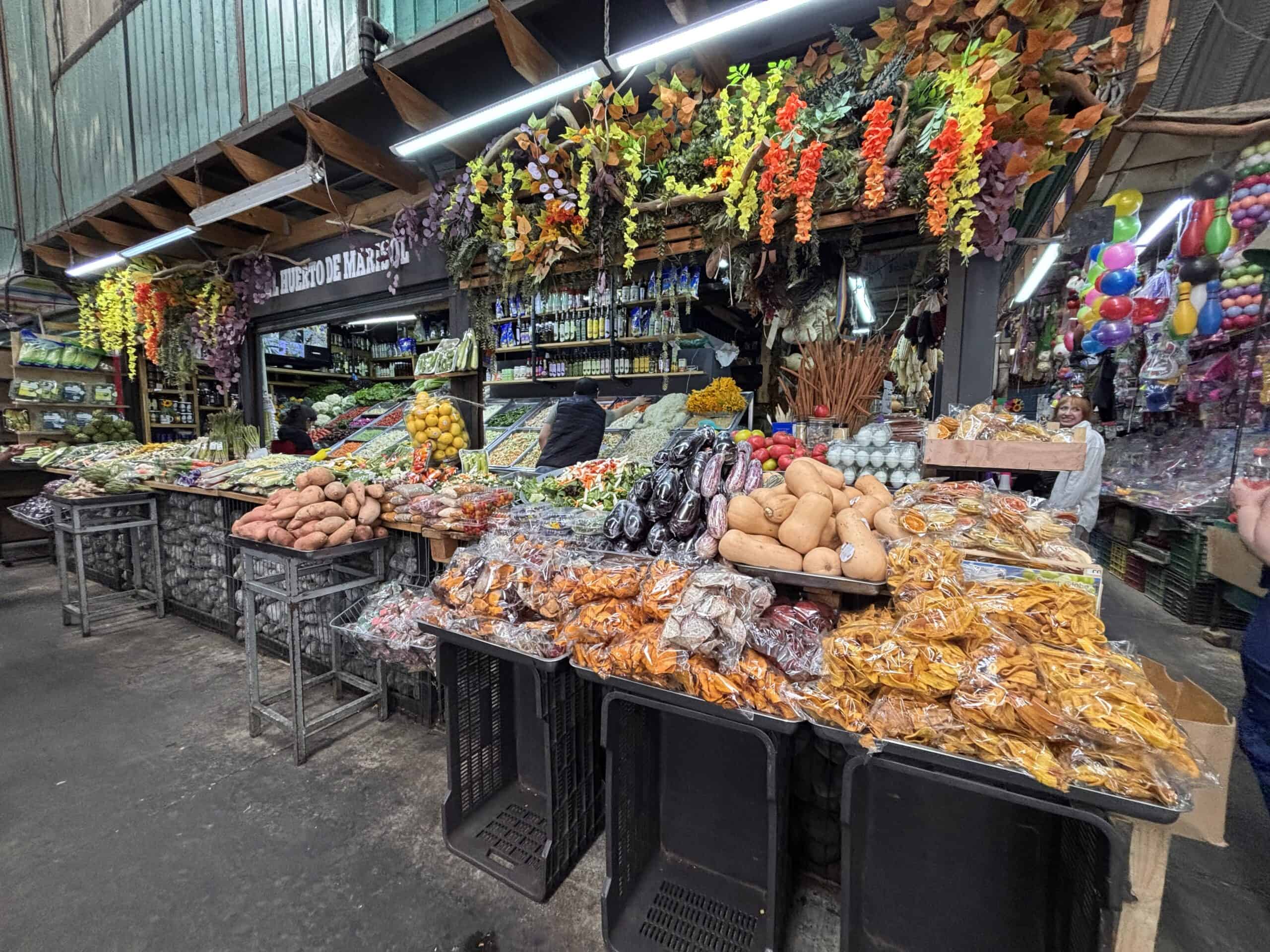
- regional markets
- wine regions
- coffee culture
- cooking workshops
- cultural traditions
- sustainable agriculture
- wellness-focused cuisine
- indigenous culinary heritage
This broader definition creates opportunities for destinations beyond major cities. Smaller towns, coastal regions, wine countries, and rural communities are increasingly using culinary tourism to attract travelers looking for slower, more immersive experiences.
Wellness and Food Tourism Are Becoming Closely Connected
Luxury travelers are also redefining wellness.
Wellness travel is no longer limited to spa retreats and fitness resorts. Travelers are increasingly associating wellness with fresh ingredients, regional cuisine, slower dining experiences, and intentional travel. This is especially visible in destinations known for longevity lifestyles, Mediterranean cuisine, coastal living, and farm-to-table culture.
Many travelers now view culinary travel as part of overall well-being rather than indulgence. That shift has allowed destinations to position food experiences as both luxurious and restorative.
Why This Matters for Travel Brands and Destinations
Food tourism creates stronger storytelling opportunities than traditional tourism marketing because it naturally combines:
- culture
- emotion
- sensory experience
- human connection
- visual appeal
- sustainability
- local identity
For destinations, restaurants, boutique hotels, and tourism boards, culinary experiences provide rich opportunities for long-form storytelling, video content, social media campaigns, and experiential partnerships.
Travel audiences are becoming more selective about sponsored content. They are far more likely to engage with stories that feel immersive, educational, and experience-driven rather than overtly promotional.
That is why food tourism content often performs exceptionally well for destination marketing campaigns.
The Future of Luxury Travel Is Experiential
Luxury travel is becoming less about exclusivity and more about authenticity.
Travelers want:
- fewer rushed itineraries
- more meaningful experiences
- deeper cultural connection
- memorable sensory moments
- intentional travel choices
Food naturally delivers all of those things. The destinations and brands that understand this shift are positioning themselves for the future of luxury travel by focusing less on transactional tourism and more on immersive experiences travelers genuinely remember.
Because in the end, most travelers may forget the thread count of the sheets. But they rarely forget the meal that made them feel connected to a place.