
Best Italy Itinerary for 10 Days: A Slower, More Beautiful Way to See Italy
This post contains affiliate links. If you click a link and make a purchase, I may earn a small commission at no extra cost to you. I only recommend properties and experiences I genuinely believe in and would recommend to friends.
If it’s your first trip to Italy, the biggest mistake you can make is trying to see too much.
Italy looks small on a map, but traveling here well is less about how many cities you squeeze into a trip and more about how deeply you experience the places you choose. The best moments rarely happen while rushing between landmarks. They happen over long dinners in quiet piazzas, wandering through neighborhood markets, or sitting at a café long after your espresso is gone simply because the light is beautiful and nobody seems to be in a hurry.
I lived in Milan for several years, and since then I’ve returned to Italy almost every year to explore a different region. I’ve traveled through Sicily, Tuscany, Umbria, the Amalfi Coast, Rome, the Dolomites, Lake Como, Puglia, and countless small towns in between.
This is the 10-day Italy itinerary I recommend most often because it gives travelers a little bit of everything Italy does exceptionally well without feeling frantic or overly scheduled.
You’ll experience:
- historic cities
- incredible food and wine
- dramatic coastal scenery
- walkable towns
- beautiful train rides
- slower moments that actually make a trip memorable
This itinerary combines Rome, Florence, Tuscany, Cinque Terre, and the Amalfi Coast into a route that flows naturally and balances iconic destinations with enough breathing room to enjoy them.
What This Italy Itinerary Is Best For
This itinerary is ideal for:
- first-time visitors to Italy
- couples
- food and wine travelers
- travelers who prefer atmosphere over aggressive sightseeing
- people who want a balance of cities and coast
- travelers who want iconic Italy without changing hotels every night
Italy Itinerary at a Glance
Days 1–3: Rome
Days 4–6: Florence & Tuscany
Day 7: Cinque Terre
Days 8–10: Amalfi Coast
Quick Planning Notes
Best Airport Route: Fly into Rome and out of Naples
Transportation: Mostly train travel with optional car rental in Tuscany
Pace: Moderate and realistic
Best Time to Visit: April–June or September–October
Best For: First-time visitors, couples, food lovers
Days 1–3: Rome
Day 1: See the main sites
There is no better introduction to Italy than Rome. It is chaotic and beautiful and occasionally exhausting, but it also contains some of the most extraordinary layers of history anywhere in the world. Rome feels less like a city and more like hundreds of years stacked on top of one another. The key to enjoying Rome is accepting early that you are not going to see everything. Instead of trying to conquer the city, focus on experiencing it.
Spend your mornings wandering before the crowds fully arrive. Stop for espresso standing at the counter like locals do. Let yourself get lost in smaller streets between major landmarks because some of Rome’s best moments happen away from the famous sites. On your first afternoon, explore the historic center slowly. Walk between Piazza Navona, the Pantheon, the Trevi Fountain, and Campo de’ Fiori. Yes, these places are touristy, but they are famous for a reason. The trick is simply seeing them at the right time of day. Early mornings and late evenings completely transform Rome.
→ Enjoy a walking tour of Rome City, Pantheon, and Trevi Fountain
Day 2: Visit Ancient Rome
For your second day, dedicate time to Ancient Rome. Visit the Colosseum, Roman Forum, and Palatine Hill, but don’t overschedule the day afterward. Rome is physically tiring, especially in warmer months, and leaving time for a long lunch or slow evening aperitivo makes the trip feel infinitely more enjoyable.
Trastevere is one of the best neighborhoods for dinner and evening walks. It still retains a more local feel than parts of central Rome, especially once you move away from the busiest streets.
→ Take a guided tour of the Colosseum Arena Floor, Roman Forum and Palatine Hill
Day 3: Tour the Vatican
If you have extra energy on Day 3, visit the Vatican Museums and St. Peter’s Basilica early in the morning before the crowds become overwhelming. Otherwise, spend the day more slowly exploring neighborhoods like Monti or Prati.
→ Book this Skip-the-Line Group Tour of the Vatican, Sistine Chapel & St. Peter’s Basilica
→ If you have time, book the uber-popular Twilight Trastevere Food Tour.
Days 4–6: Florence & Tuscany
Day 4: Explore Florence
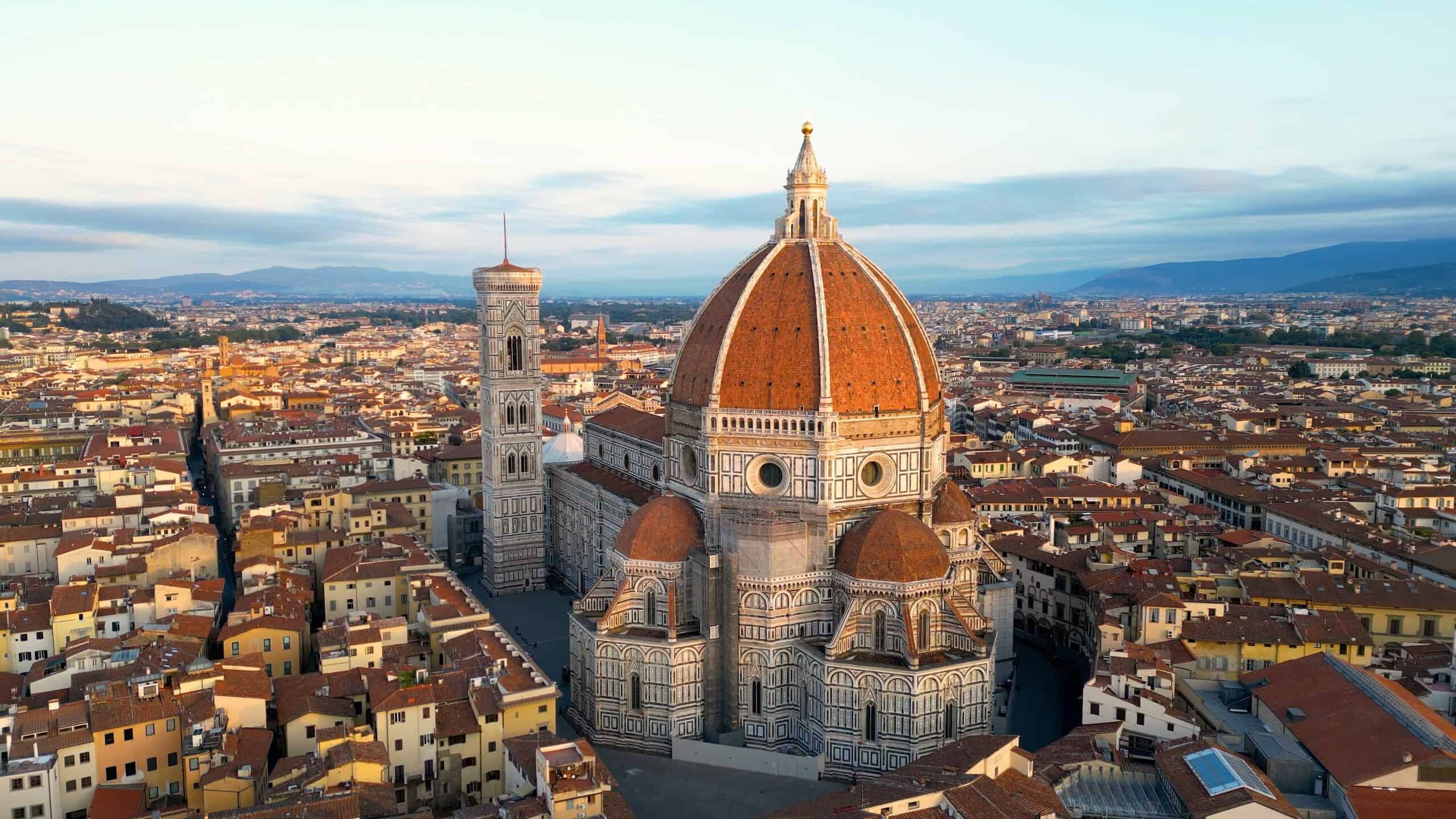
Take the high-speed train from Rome to Florence. The journey takes about 90 minutes, making this one of the easiest and most efficient transitions in Italy. Florence feels completely different from Rome. Where Rome is sprawling and chaotic, Florence feels intimate, elegant, and walkable. The city is compact enough that you can experience much of it on foot, and some of the best parts of Florence are simply the atmosphere of everyday life unfolding around you.
Spend your first afternoon crossing the Ponte Vecchio, wandering through artisan streets in Oltrarno, and stopping at cafés or wine bars without overplanning every hour. Florence is one of the best food cities in Italy, particularly for travelers who enjoy Tuscan wines, handmade pasta, steak, olive oil, and seasonal ingredients. This is also the ideal place to slow down your itinerary slightly.
→ Take a guided walking tour of Florence
Day 5: Relax in Florence
Instead of trying to cram museums into every hour, leave room for:
- long lunches
- wine bars
- market visits
- sunset views from Piazzale Michelangelo
- leisurely dinners that last well into the evening
→ Get museum passes and tickets here
Day 6: Taste wine in Tuscany
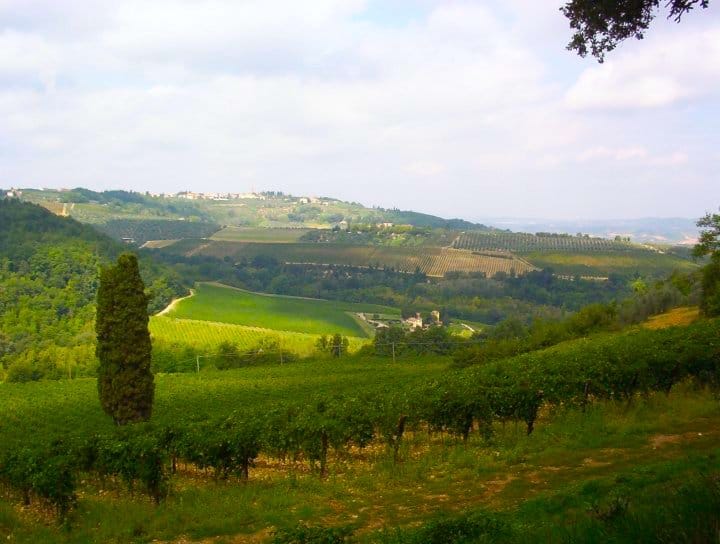
Take a Tuscany day trip. This is where Italy starts to become the version people dream about. Rolling hills. Cypress trees. Vineyards. Medieval hill towns. Tiny roads winding through wine country with views that somehow look unreal even when you’re standing in front of them. You can either rent a car for a day or book a guided wine tour.
If you drive, towns like Montepulciano, Pienza, Montalcino, and San Gimignano are excellent choices depending on how much time you want to spend in the countryside. Montepulciano is especially beautiful for travelers who love wine and dramatic hilltop scenery. Pienza feels smaller and quieter, with beautiful views across the Val d’Orcia. Montalcino is ideal for Brunello lovers.
One of the biggest mistakes travelers make in Tuscany is trying to visit too many towns in a single day. Choose two at most and leave room for lingering lunches, wine tastings, and wandering. Italy is almost always better when you stop trying to optimize every minute.
→ Book this highly rated Tuscany day trip and see Siena, San Gimignano, Pisa and enjoy a wine tasting
For the Tuscany portion of this itinerary, I would stay in the countryside rather than commute from Florence every day. My guide to the best agriturismo in Tuscany explains which properties work best for wine, food, families, luxury and a more authentic farm experience.
Day 7: Cinque Terre
From Florence, continue north toward Cinque Terre. Cinque Terre is one of the most visually dramatic parts of Italy, with colorful villages built directly into steep cliffs above the Ligurian Sea. Many travelers rush through it in a few hours, but arriving with realistic expectations makes the experience much more enjoyable.

Cinque Terre is beautiful, but it is also crowded during peak months, particularly in summer afternoons. The magic returns in the early morning and evening once many day-trippers leave. Stay flexible here. You do not need to aggressively “complete” all five villages. Some travelers enjoy hiking between towns while others prefer simply riding the train and stopping where the atmosphere feels right. Vernazza and Manarola are particularly beautiful, while Monterosso offers the best beach access.
Spend the afternoon moving slowly between villages, eating seafood, drinking local white wine, and enjoying the coastline without trying to turn the day into a checklist. Cinque Terre works best as a visual and emotional pause in the itinerary before heading south again toward the Amalfi Coast.
→ A boat tour is one of the best ways to see the Cinque Terre
Days 8–10: Amalfi Coast
The Amalfi Coast is one of the few places in the world that somehow manages to be both overrated and genuinely spectacular at the same time. Yes, it can be crowded. Yes, the roads are stressful. Yes, summer traffic can test your patience. And yet there are still moments here that feel impossibly beautiful.
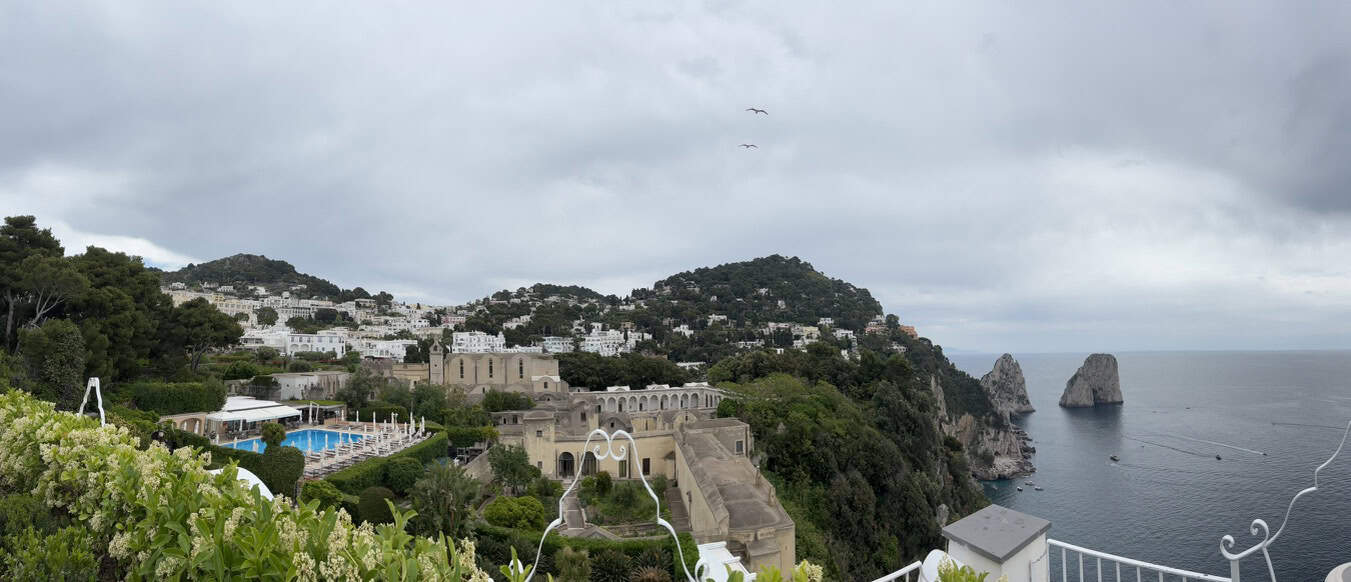
The key is slowing down. Most travelers make the Amalfi Coast stressful because they try to treat it like a sightseeing circuit instead of simply enjoying it. You do not need to visit every town. Choose one base and settle into it. Positano is dramatic and iconic. Ravello feels quieter and more romantic. Amalfi sits more centrally for exploring. Praiano offers a slower atmosphere with fewer crowds.
Spend your days swimming, taking boat rides, lingering over seafood lunches, and enjoying long evenings overlooking the water. If you want one memorable excursion, take a boat trip along the coastline or visit Capri for the day. Seeing the Amalfi Coast from the water completely changes your perspective and is often the highlight of the trip. This is also the place to intentionally leave empty space in your schedule. Sleep late. Order another spritz. Sit by the sea longer than you planned.
The final days of an Italy trip should never feel rushed.
→ Enjoy a full day Amalfi Coast Experience from Sorrento, Naples or Salerno
Where to Stay in Rome
Rome can feel overwhelming if you’re not in the right location, especially when you’re trying to fit in food experiences between everything else. Staying somewhere that makes the city feel manageable makes a huge difference.
Hotel Santa Maria
Tucked into a quiet corner of Trastevere, this hotel feels like a hidden retreat. The courtyard filled with orange trees is where you’ll start your mornings, and by night you’re just steps from some of the best food in the neighborhood. It’s charming, peaceful, and perfectly placed for a food-focused trip.
→ Check rates at Hotel Santa Maria for your travel dates
VOI Donna Camilla Savelli Hotel
Set inside a former monastery, this hotel has a sense of history you feel the moment you walk in. It’s slightly removed from the busiest streets, which makes it ideal if you want quiet nights but easy access to Trastevere’s food scene. The terrace views alone make it worth considering.
→ See availability at Donna Camilla Savelli while rooms are still open
Hotel Martis Palace
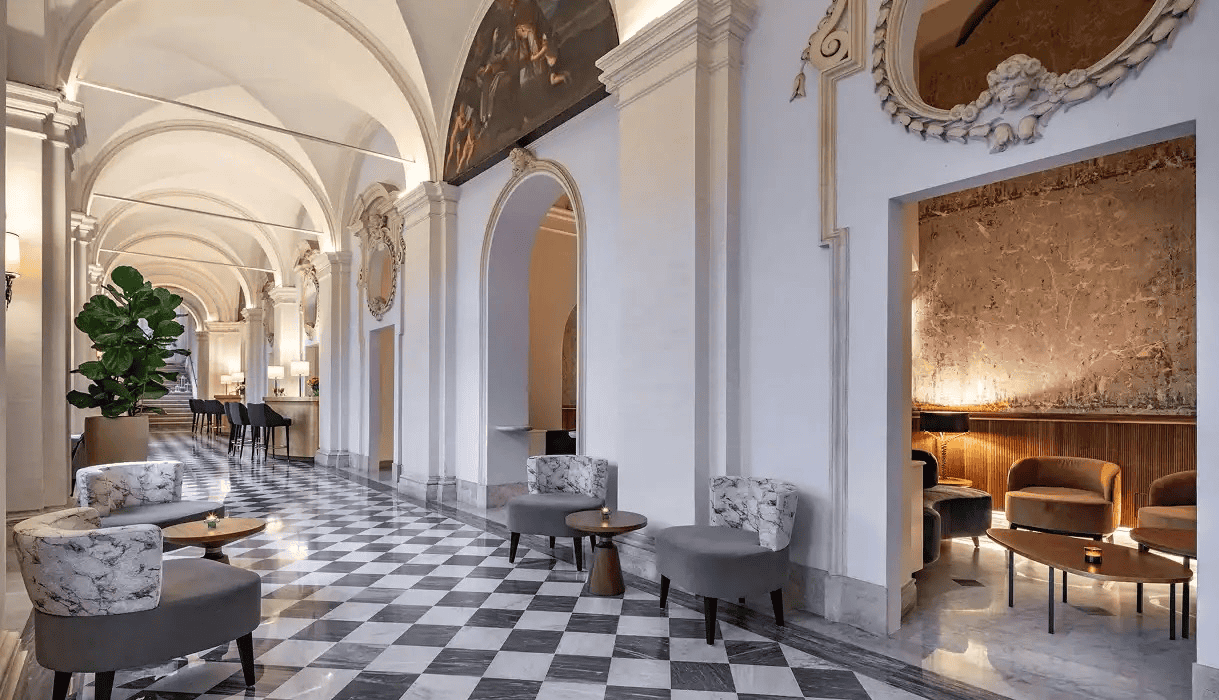
A quieter, more polished option in the same area, with modern rooms and a rooftop that feels like a hidden escape from the crowds below. If you want central without chaotic, this strikes the balance perfectly.
→ Browse rooms at Martis Palace before they book up
Palazzo Navona Hotel
This is one of the easiest hotels to recommend because the location does most of the work for you. I’m not gonna lie – I’ve been going to Rome for decades and Navona is still my favorite piazza. Step outside and you’re immediately in the middle of Rome’s food scene. The rooftop terrace is perfect for a pre-dinner drink before heading out to explore.
→ Check availability at Palazzo Navona for your dates
Hotel Isa
This is one of the most consistently booked hotels in Prati for a reason. It’s stylish without feeling overdesigned, and the rooftop breakfast is one of the best in the city. You’re close enough to walk to the Vatican but far enough to avoid the crowds.
→ Check rates at Hotel Isa while your dates are available
NH Collection Roma Giustiniano
A more spacious, modern option that works especially well if you want comfort after long days of eating and walking. The rooms are larger than average for Rome, and the location makes it easy to explore both Prati and the historic center.
→ See current pricing at NH Collection Giustiniano
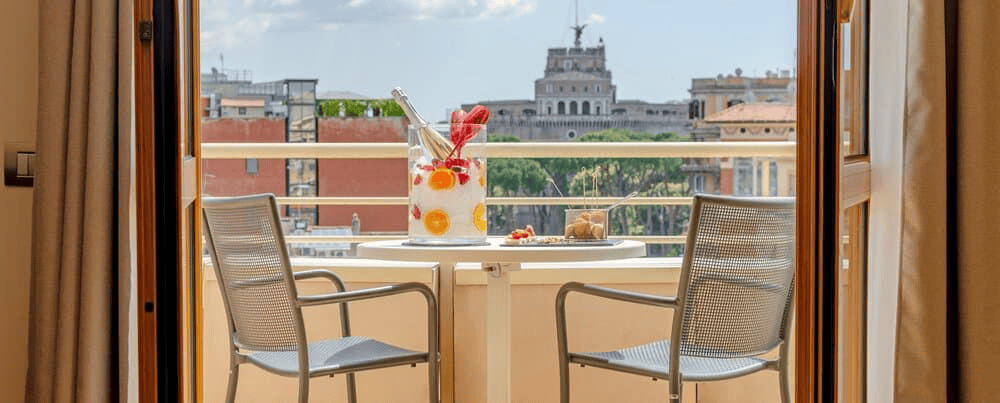
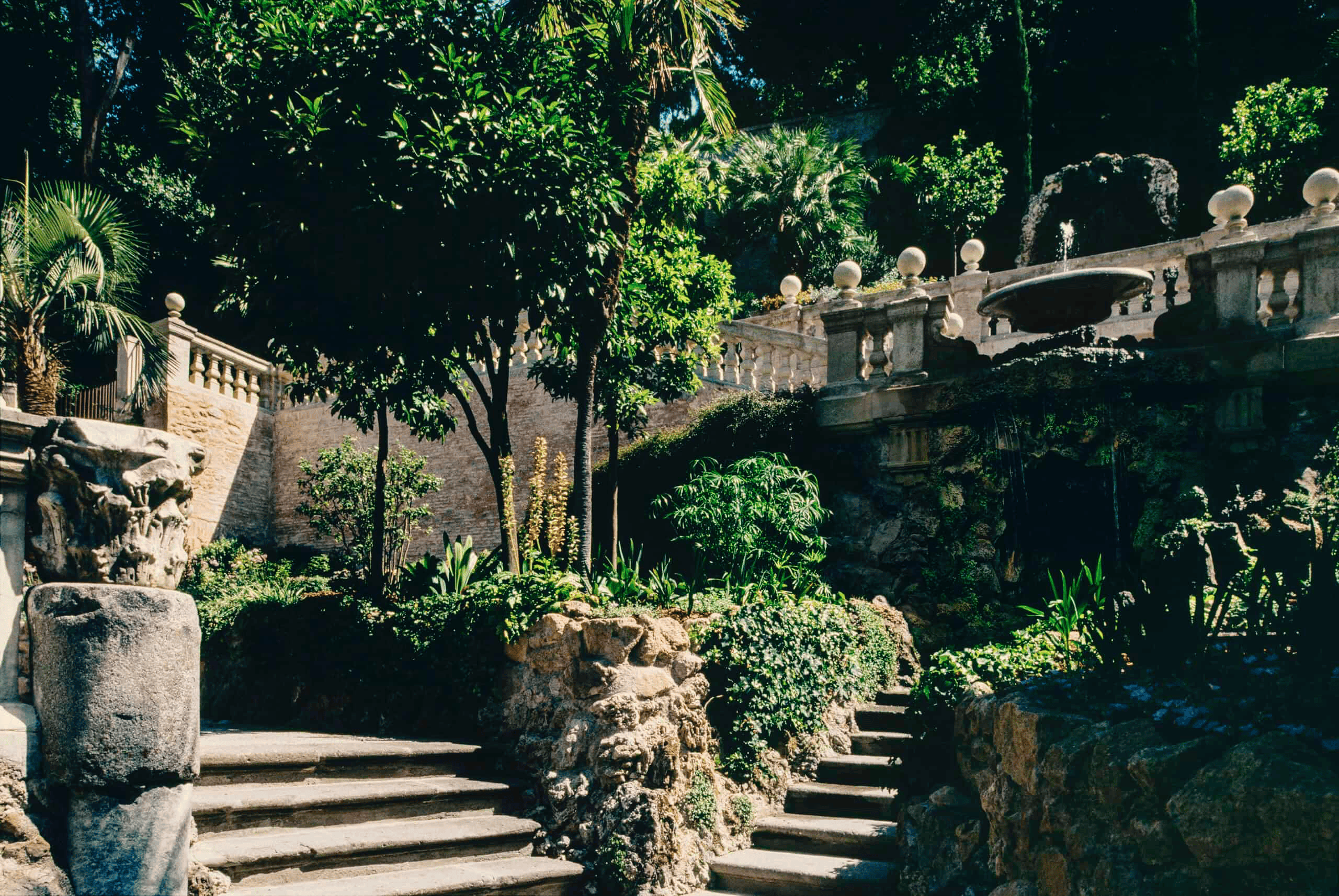
Hotel de Russie
This is one of the most iconic hotels in Rome, and it delivers on every level. The private garden feels worlds away from the city, and the location between Piazza del Popolo and the Spanish Steps puts you within reach of top restaurants.
→ Check rates at the exclusive Hotel de Russie for your stay
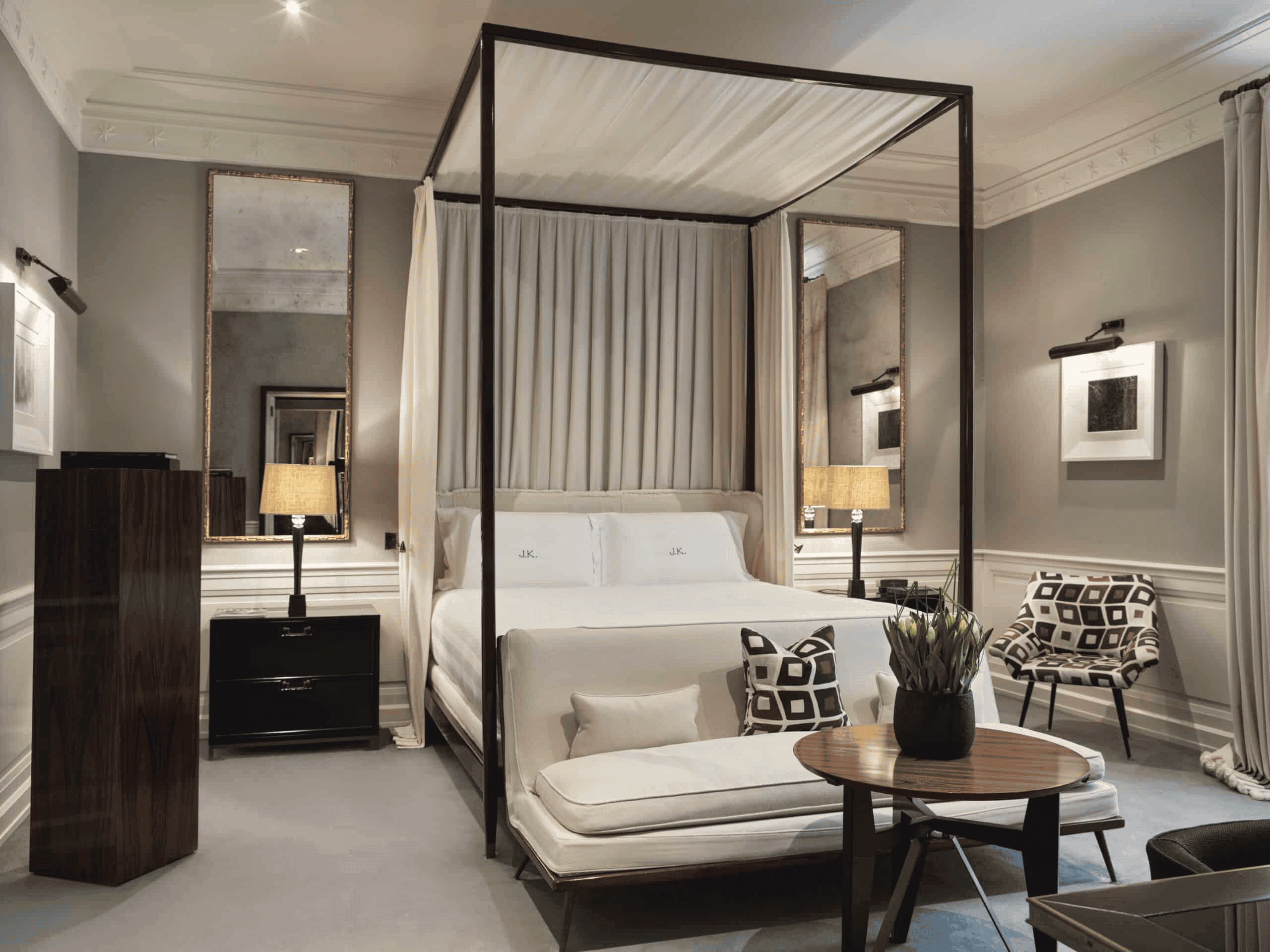
J.K. Place Roma
Boutique, intimate, and incredibly well-executed. The service is what people remember most, and the on-site dining is strong enough that you’ll actually want to stay in one night.
→ View availability at J.K. Place Roma before it fills
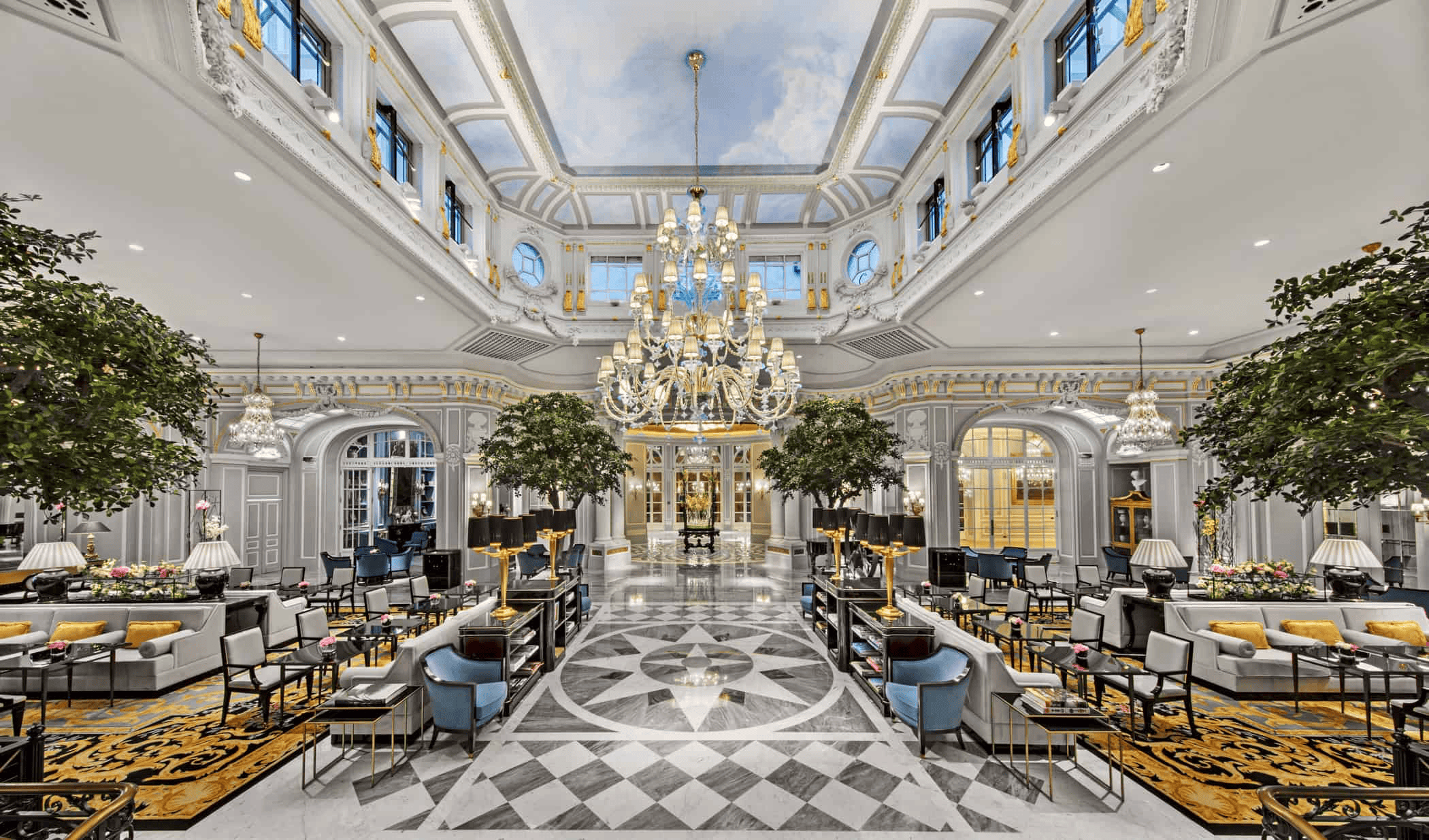
The St. Regis Rome
If you want classic, grand Rome, this is it. High ceilings, historic interiors, and the kind of service that makes your trip feel seamless from the moment you arrive.
→ Explore rooms at The St. Regis Rome
Rose Garden Palace
This is the hotel I come back to again and again. It’s just outside the busiest tourist areas, which means you get a quieter, more relaxed stay, but you’re still close enough to reach Rome’s best food neighborhoods easily. The courtyard breakfast and small wellness area make it feel like a retreat between meals.
→ See if the Rose Garden Palace is available for your dates

Where to Stay in Florence
The Oltrarno neighborhood (south side of the Arno) is my preference — it’s quieter, the restaurants are less tourist-dependent, and it’s still a 10-minute walk to everything. The Santa Croce neighborhood is another solid option. Avoid anything directly adjacent to the Duomo unless you enjoy the sound of tour groups at 7 a.m.
Four Seasons Hotel Firenze – a 5-star hotel set in a historic 15th-century palazzo, featuring a private park, spa, and Michelin-starred restaurant. Located in central Florence, it offers 116 luxurious rooms and suites adorned with Renaissance art and modern amenities.
🍷 Don’t miss out on this iconic hotel

Rocco Forte Hotel Savoy – Elegant and refined with one of the best locations in Florence overlooking Piazza della Repubblica. Ideal if you want luxury, walkability, and classic Italian style in the center of the city.
🍷 Check rates for your dates at Hotel Savoy here
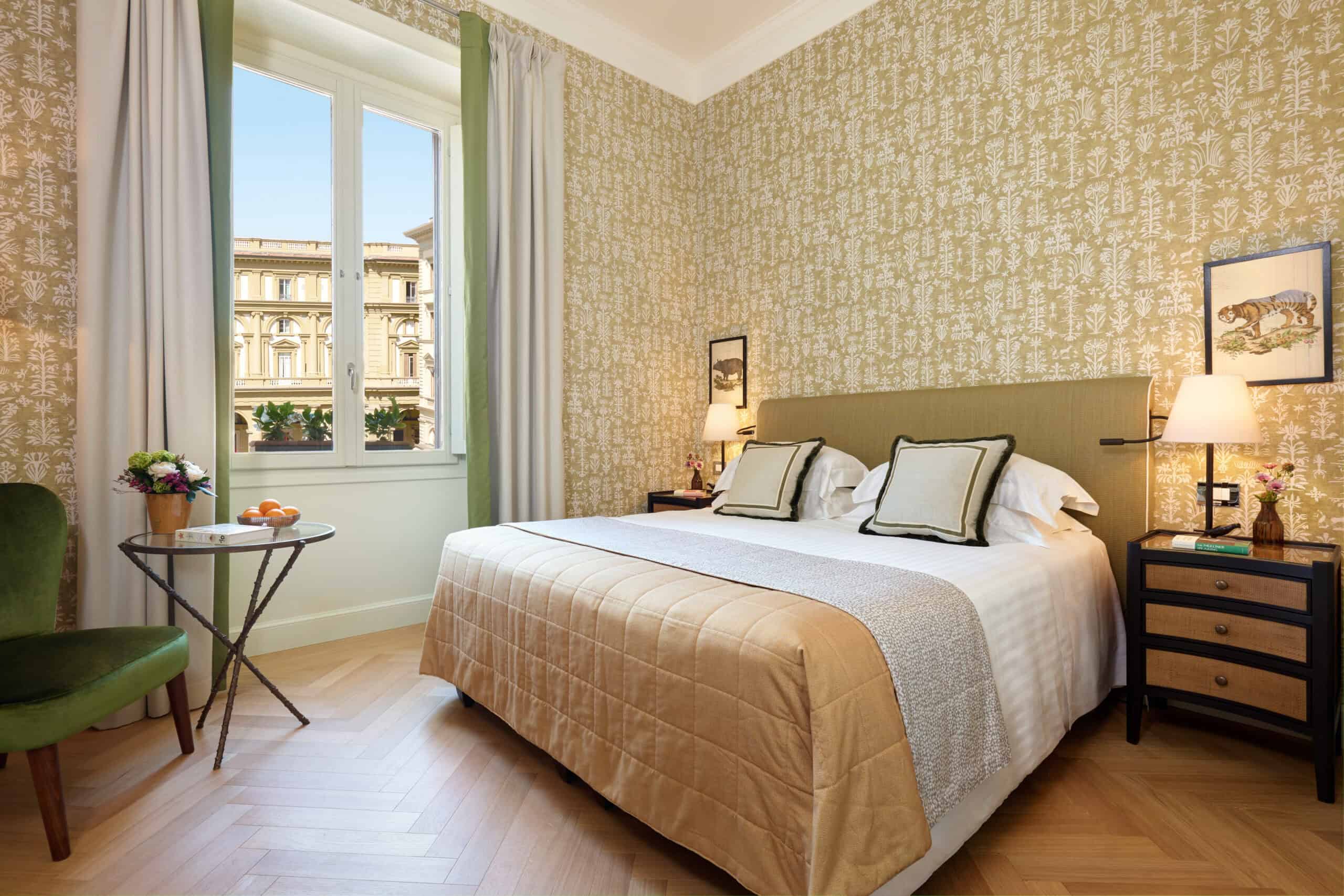
Portrait Firenze – One of the most luxurious boutique hotels in Florence with Arno River views and beautifully understated interiors. Perfect for a romantic Tuscany itinerary.
🍷 View rooms and availability at Portrait Firenze.
Hotel Lungarno – A sophisticated riverfront hotel with impeccable service, art-filled interiors, and easy access to Florence’s major sights.
🍷 Book an elegant stay at Hotel Lungarno here
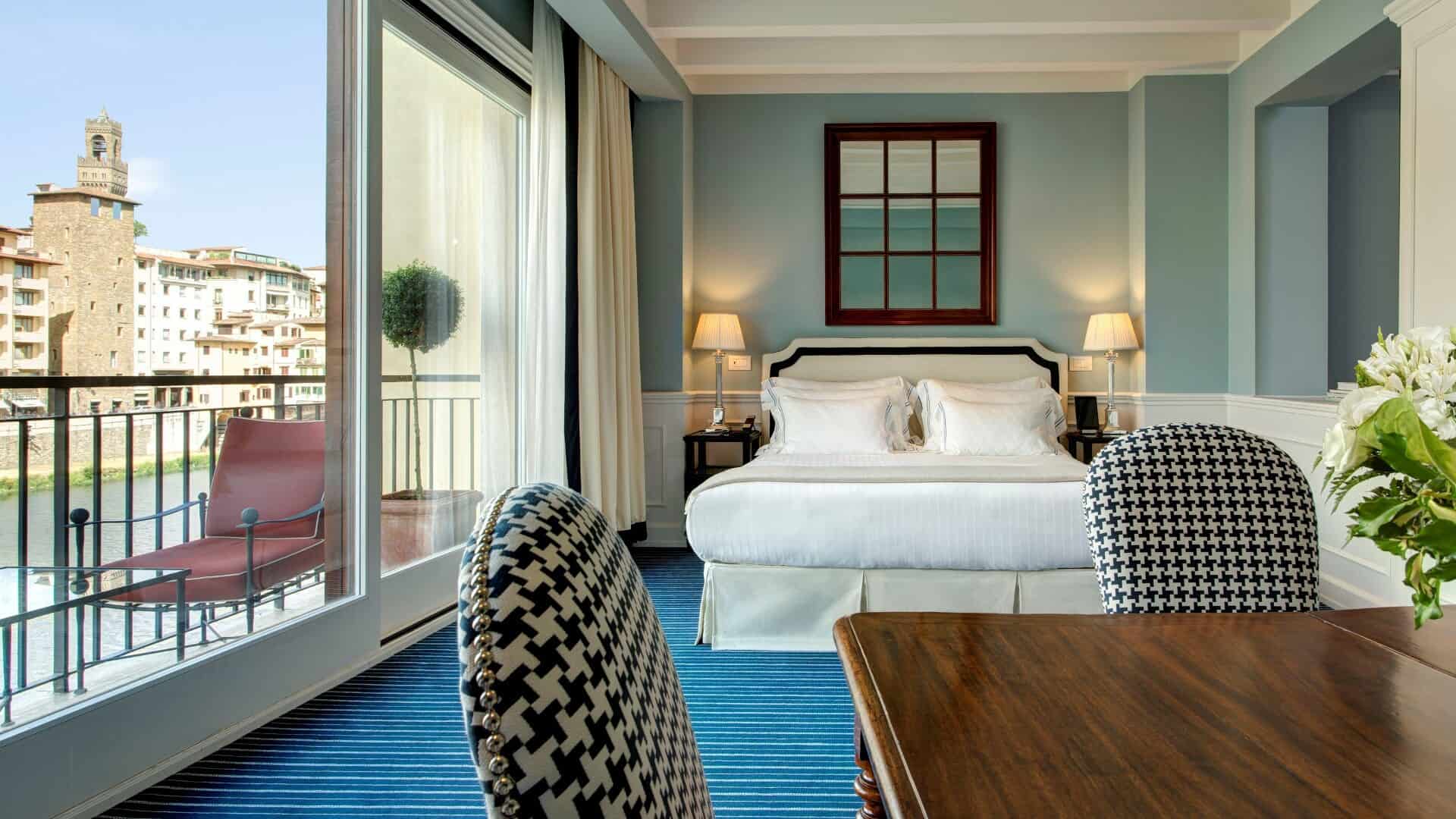
Hotel Spadai – puts you right in the historic center, which makes it easy to explore markets, restaurants, and day trips into the countryside for cooking classes. It’s one of the easiest “yes” bookings if this is your first time in Tuscany.
→ See availability and room choices for your dates
Where to Stay in Cinque Terre
For an overnight, Vernazza and Monterosso have the widest range of small hotels and guesthouses. Rooms fill up months in advance in summer — this is not a destination where you wing the accommodation.
Find a hotel on the Cinque Terre
Where to Stay on the Amalfi Coast
Positano is a convenient base with the widest range of accommodation. Ravello is quieter and slightly more elevated (literally and figuratively). Praiano is the insider pick for those who want Amalfi Coast beauty without Positano prices.
Le Sirenuse in Positano is the iconic choice for a reason. The views, the terraces, the atmosphere, it all feels like the version of the Amalfi Coast people imagine before they arrive. If you want something memorable and are willing to splurge, this is where I’d look first.
→ See if your dates are still available for this iconic hotel
Hotel Marina Riviera in Amalfi is a great balance. It’s polished, well-located, and easy. You can walk into town, get to the harbor quickly, and not feel like you’re constantly navigating stairs and transfers.
→ View pricing for your stay now
Hotel Onda Verde in Praiano is where I’d stay if you want a quieter experience without giving up the views. It’s more relaxed, less crowded than Positano, and still has that dramatic cliffside setting that makes the Amalfi Coast feel so special.
→ View rooms and pricing for your stay
Hotel vs. Villa: Which Is Right for You
This question comes up every time I talk about Italy, and the honest answer is that it depends entirely on how you travel.
A hotel gives you flexibility — daily housekeeping, a front desk that can sort out your ferry tickets, no grocery run required, and the option to change your plans without worrying about a property sitting empty. For a 10-day itinerary that moves between multiple cities, hotels almost always make more sense. You’re not there long enough in any one place to settle into the rhythm that makes a villa rental worthwhile.
A villa, though, is a completely different kind of Italy. If you’re traveling with a group, with extended family, or if you want to spend a week doing exactly what the Tuscans and Umbrians and Puglians actually do — cooking at home, drinking wine on the terrace, driving to the market in the morning — a villa rental is transformative. It’s the version of Italy where you start to feel like a resident rather than a visitor. You split the cost among four or six people and suddenly it’s not significantly more expensive than hotels, especially once you factor in restaurants.
My rule: if you’re moving around, stay in hotels. If you’re anchoring in one region for more than four or five nights, seriously consider a villa.
Getting Around: Car vs. Train
The Train Case
Italy’s train system is genuinely excellent on the main tourist corridors. The high-speed Frecciarossa trains between Rome, Florence, and Naples are fast (Rome to Florence in 90 minutes), comfortable, and relatively affordable when booked in advance. For this particular 10-day itinerary — Rome to Florence to Cinque Terre to Amalfi — you can do almost the entire journey by train without once needing a car.
Train travel in Italy is also low-stress in a way that driving is not. You arrive in the center of the city, you don’t have to think about parking, and you can watch the Tuscan countryside scroll past the window with a coffee in hand. For first-time visitors, I generally recommend starting with the train.
The Car Case
Here’s what I want to say plainly, because the internet tends to catastrophize this: driving in Italy is not as terrifying as people suggest. Italians drive fast and with great confidence, but the roads are well-marked, the scenery is extraordinary, and a rental car opens up the parts of Italy that the train simply cannot reach — the hill towns of Umbria, the trulli of Puglia, the back roads of Tuscany, the switchbacks of the Amalfi Coast.
Speaking of which: the Amalfi Coast by car is an experience unto itself. The road is narrow and clifftop and absolutely spectacular. If you are comfortable driving in tight conditions, rent a small car (emphasis on small), drive it yourself, and do not regret it for a single minute. If parallel parking on a narrow ledge above the Tyrrhenian Sea sounds like your nightmare, take the ferry between towns or hire a driver for that leg.
For car rentals in Italy, I use and recommend Discover Cars. Book in advance, opt for full coverage, and for the love of all that is holy, get a car without a manual transmission unless you actually know how to drive one.
A few practical notes: the ZTL zones (limited traffic zones) in historic city centers are strictly enforced and the fines arrive by mail months later to haunt you. Do not drive into Florence’s historic center. Do not drive into Rome’s center. Your hotel or GPS will guide you to parking outside these zones.
Best Time to Visit Italy
The honest answer: shoulder season. May and September are the sweet spots — warm enough for the Amalfi Coast and Cinque Terre, cool enough for Rome and Florence in the middle of the day, and meaningfully less crowded than July and August.
May is perhaps the single best month. The light is extraordinary, the wildflowers are out across the countryside, the summer school groups haven’t fully descended, and the restaurant terraces are open without being unbearable.
September is close behind. The summer heat has broken (usually), harvest season begins, and there’s a quality of light in September Italy that makes every photograph look like it was shot on film.
June is still lovely but noticeably busier, especially around major sites. July and August are the peak season — Italy in August is hot, crowded, and expensive, and many small family-run restaurants in cities actually close as the owners go on their own holidays. If summer is your only option, lean into it: book everything in advance, arrive at major sites right when they open, and accept that the experience will be shared with many, many people.
April is variable but often beautiful. Easter and the weeks around it bring crowds to Rome but represent one of the most atmospheric times to be there.
October through early November is underrated — harvest festivals, wine events, truffle season in Tuscany and Umbria, and a quieter, more contemplative version of the country. The Amalfi Coast and Cinque Terre start to close down for the season by late October, so plan accordingly.
Winter (December through February) is low season everywhere except Christmas, which brings its own magic to Rome and Florence. Expect some tourist sites to keep limited hours.
FAQs
Do I need to speak Italian to travel in Italy? Not fluently, but a handful of phrases go an extraordinary distance. Italians respond warmly to anyone who attempts even a mangled “buongiorno” or “grazie mille.” In tourist areas, English is widely spoken. In smaller towns, it’s less reliable — which is exactly why those towns are worth visiting.
How many days do I actually need in Italy? Ten days is a solid trip that lets you genuinely experience several distinct regions without the frantic pace of trying to cover too much. If you have two weeks, add Puglia, Sicily, or a proper week in Tuscany. If you only have a week, cut Cinque Terre and spend more time in Rome and Florence.
Is Italy safe to travel? Italy is extremely safe for tourists. The concerns that exist are typical of any major European destination — petty theft in crowded areas, pickpockets near major attractions, scams targeting distracted visitors. Be normally aware of your belongings in Rome and Florence, particularly at the Colosseum and in the train stations, and you will be fine.
Is it easy to eat well in Italy on a budget? Remarkably easy. The Italian bar culture — a coffee and a cornetto at the counter for a euro or two — is one of the great culinary pleasures of Europe that costs almost nothing. A lunch at a trattoria that seats 20 people and changes the menu daily will cost you half what dinner at the same place costs. Eat your biggest meal at lunch, have aperitivo with snacks in the early evening, and keep dinner relatively light and inexpensive. Your stomach and your wallet will thank you.
When should I book a food tour or cooking class in Italy? As early as possible, particularly for peak season. Good cooking classes in Florence and Rome fill up weeks in advance. For May and September travel, book at least six to eight weeks out.
What travel insurance should I use for Italy? For a trip involving international flights, train bookings, and activity reservations, travel insurance is worth having. I use and recommend TRAVEL INSURANCE MASTER for coverage that includes trip cancellation, medical, and delay protection.
More Italy Travel Guides
Milan & The Lakes:
Lake Como vs Lake Maggiore: Which Is Better? (Why I Always Choose Maggiore)
Where to Stay on Lake Maggiore: Best Towns, Hotels, and What Each Area Is Known For
Where to Stay on Lake Como (Best Towns + Hotels)
Best Towns on Lake Maggiore: Where to Stay, Eat + Explore in Italy’s Most Underrated Lake Region
Milan, Italy: A Local’s Guide to Eating, Exploring, and Falling in Love With the City (2026)
Best Day Trips From Milan for Lakes, Wine, Food, and Slow Italian Charm
Cooking Classes & Food Tours:
The Best Cooking Classes in Italy (Tuscany, Rome, Bologna & More)
Rome:
Rome for Food Lovers: Best Food Tours, Cooking Classes & Hotels
Tuscany:
Where to Stay in Tuscany: Best Agriturismo for Luxury, Families & Food Lovers (2026)