
Tuscany vs. Umbria: Which Italian Region Is Better for Your Italy Trip?
This post contains affiliate links. If you click a link and make a purchase, I may earn a small commission at no extra cost to you. I only recommend properties and experiences I genuinely believe in and would recommend to friends.
If you are planning a trip to central Italy and trying to decide between Tuscany and Umbria, you are not alone. These neighboring regions share rolling hills, medieval towns, vineyards, olive groves, incredible food, and the kind of scenery that makes people fantasize about moving to Italy permanently. But despite the similarities, Tuscany and Umbria feel very different once you are actually there.
Tuscany is iconic, polished, and internationally famous. Umbria is quieter, slower, less expensive, and often feels more authentically local.
After spending years traveling through both regions — including extended stays in Umbria and repeated trips through Tuscany’s wine country — here’s the honest breakdown of which Italian region is better depending on the kind of trip you want.
Tuscany vs. Umbria: Quick Comparison
| Category | Tuscany | Umbria |
|---|---|---|
| Best For | First-time Italy trips | Slow travel |
| Crowds | Heavy in peak season | Much lighter |
| Wine | Brunello, Chianti, Super Tuscans | Sagrantino, Grechetto |
| Prices | Higher | More affordable |
| Luxury Hotels | More options | Smaller boutique properties |
| Food Scene | Famous and polished | Rustic and deeply local |
| Villa Rentals | Beautiful but expensive | Better value |
| Public Transportation | Better connected | More car-dependent |
| Atmosphere | International | Quiet and local |
| Best Travel Style | Bucket-list Italy | Immersive countryside travel |
Choose Tuscany If You Want the Classic Italy Experience
For many travelers, Tuscany is the Italy they have imagined for years.
This is where you’ll find:
- Florence
- Siena
- Chianti
- Val d’Orcia
- Montalcino
- San Gimignano
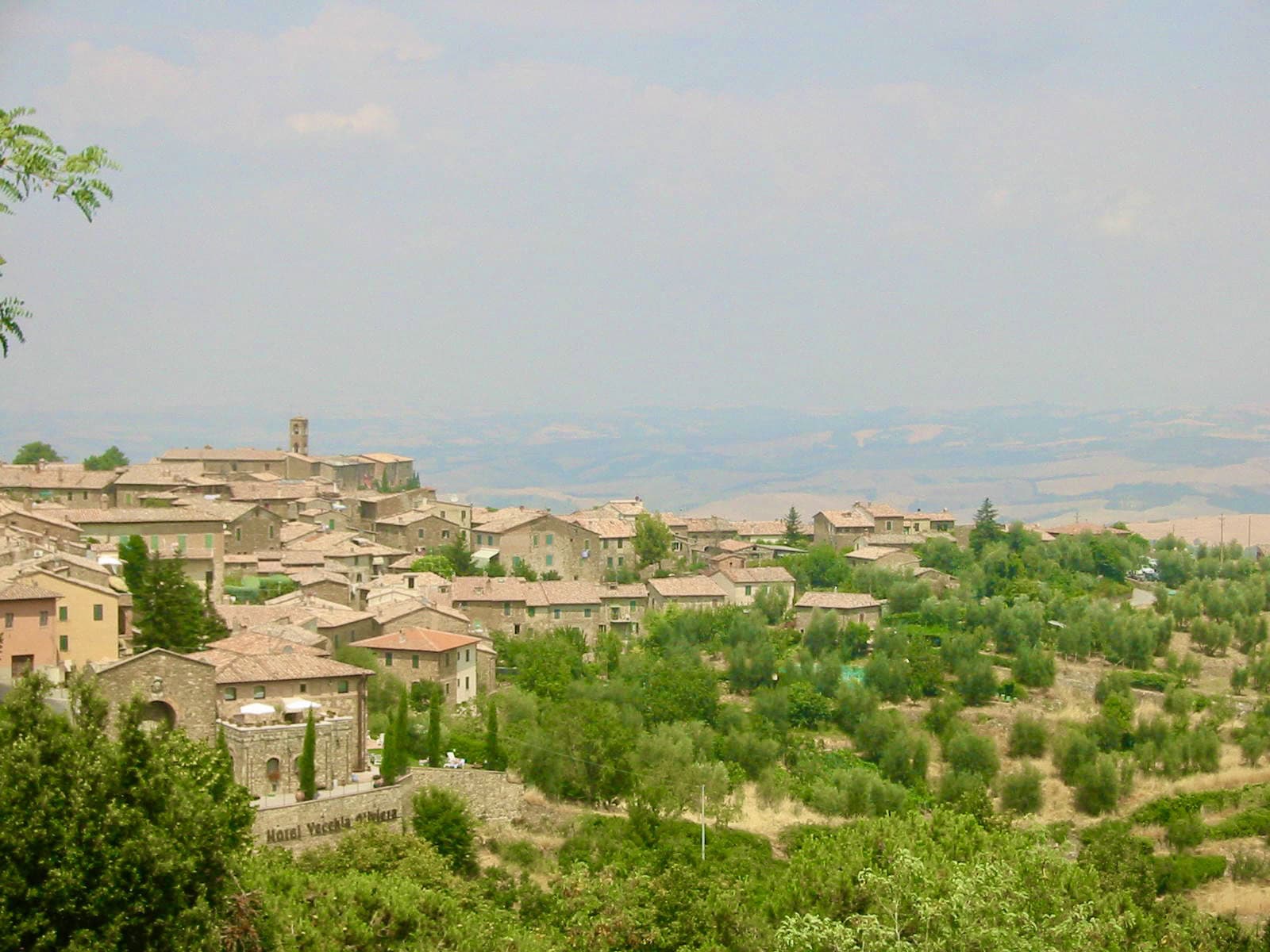
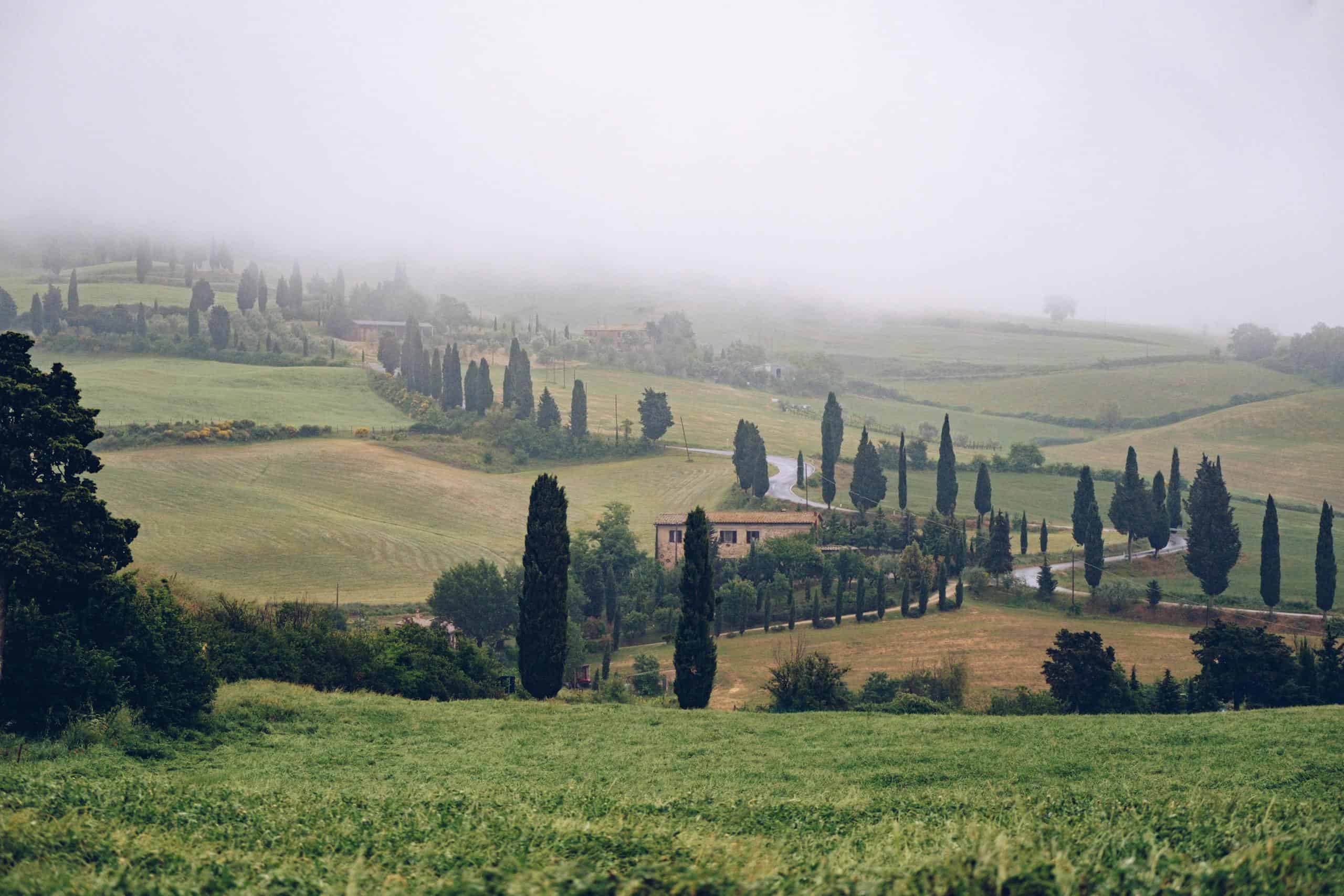
The landscapes are genuinely spectacular. Vineyards roll across the hills in every direction. Cypress-lined roads snake between stone farmhouses. Medieval towns rise above the countryside exactly as they do in films and coffee-table books.
Tuscany also has more luxury hotels, more organized wine tourism, and more internationally recognized destinations than Umbria.
If this is your first trip to Italy and you want the “greatest hits” version of the country, Tuscany is usually the better choice.
Choose Umbria If You Want a Slower, More Authentic Italy
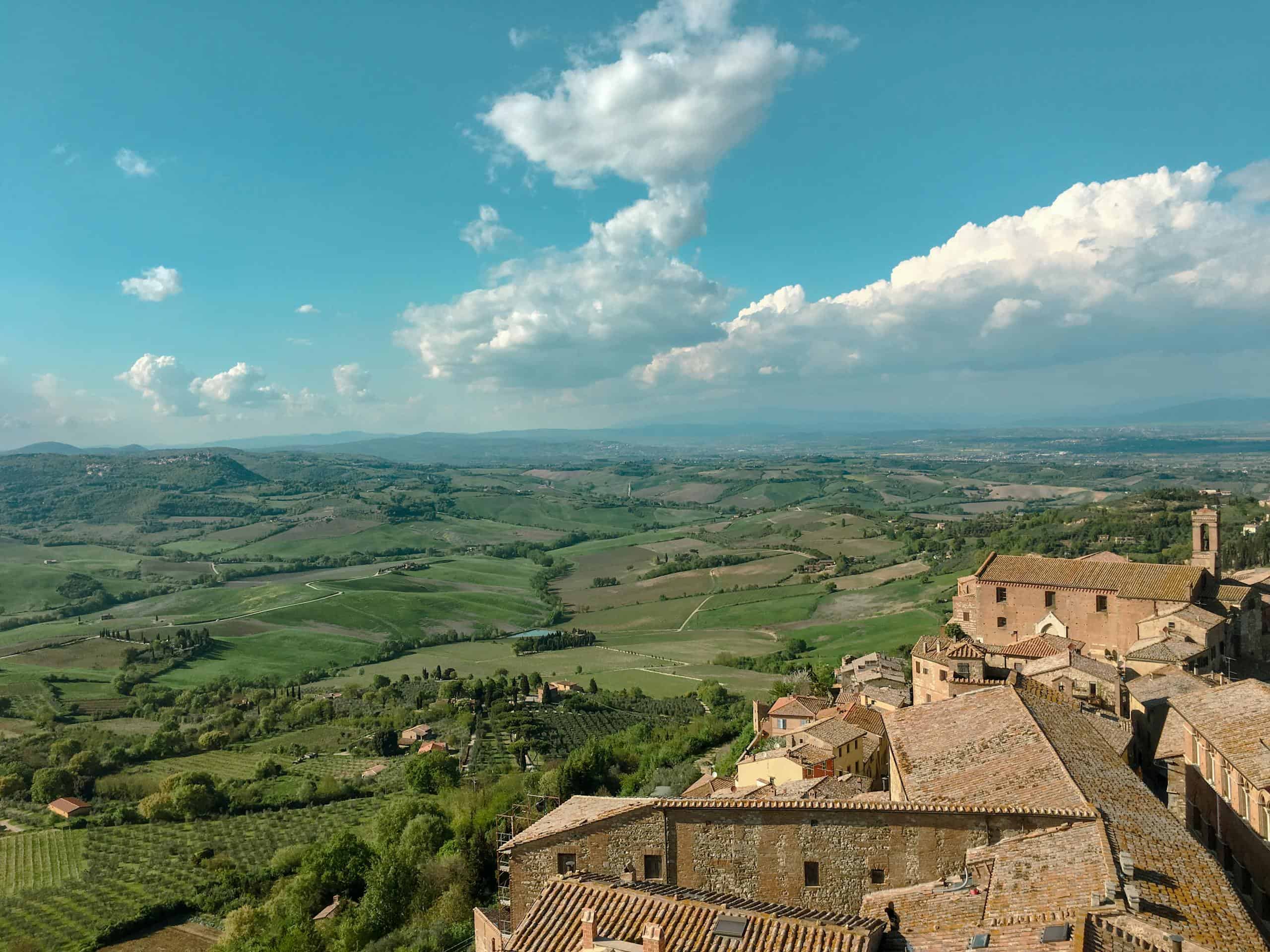
Umbria feels like Tuscany before the crowds arrived. The landscapes are just as beautiful, but the experience is calmer, more local, and less commercialized. Restaurants are quieter. Winery visits feel personal instead of transactional. Hotel prices are noticeably lower. And you can still walk through many hill towns without fighting tour groups. This is the Italy many travelers hope to find but often struggle to experience in busier parts of Tuscany.
Umbria is ideal for:
- repeat Italy travelers
- slow travel
- food-focused trips
- villa stays
- road trips
- travelers avoiding crowds
- longer stays
Personally, this is the region I return to most often.
Tuscany vs. Umbria for First-Time Visitors
If you have never been to Italy before, Tuscany probably makes more sense. Florence alone is one of the great cultural cities in the world. Siena is extraordinary. The wine regions are legendary. And Tuscany’s infrastructure makes trip planning easier for international travelers.
But if your dream trip looks less like museum-hopping and more like:
- cooking dinner in a villa
- wandering medieval towns
- wine tasting without crowds
- shopping at local markets
- slow countryside drives
then Umbria may actually feel more rewarding.
Tuscany vs. Umbria for Food and Wine Lovers
This is where the decision becomes more personal.
Tuscany Wine and Food
Tuscany is famous for:
- Brunello di Montalcino
- Chianti Classico
- Super Tuscan wines
🍷 Check out the highest rated wine tastings in Tuscany here. - Florentine steak
- pecorino cheese
- olive oil estates
🍷 This is the best cooking class that I recommend
Wine tasting here is polished and highly developed. Many wineries require reservations weeks in advance, especially in Montalcino and Chianti.
Umbria Wine and Food
Umbria’s food culture feels more intimate and deeply regional.
The standout wines include:
- Sagrantino di Montefalco
- Grechetto
- Orvieto Classico
🍷 Check out the top rated wine tasting experiences in Umbria here.
The region is also known for:
- black truffles
🍷 Truffle hunting in Assisi was one of the most memorable experiences I’ve had in Italy. Book it here. - porchetta
- lentils from Castelluccio
- olive oil
🍷 Book an olive oil tasting experience here. - wild mushrooms
- handmade pasta
One of the biggest differences is how personal experiences still feel in Umbria. Many winery visits are small, family-run, and conversational rather than polished and corporate.
Tuscany vs. Umbria for Crowds
This is probably the single biggest difference between the two regions.
Tuscany in Summer
Florence, Siena, and San Gimignano can become intensely crowded from May through September.
In Florence especially:
- museum reservations often book out weeks ahead
- restaurants fill quickly
- the historic center becomes packed during the day
- hotel prices rise dramatically
If you visit Tuscany, shoulder season is vastly better:
- April
- May
- late September
- October
Umbria in Summer
Umbria remains noticeably quieter, even during peak season.
You can still:
- find parking
- walk through towns peacefully
- get restaurant reservations
- book villas without astronomical pricing
That slower pace is one of the region’s greatest luxuries.
Best Towns to Stay in Tuscany
Florence
Best for:
- art
- museums
- first-time visitors
- short stays
Montalcino
Best for:
- wine lovers
- luxury countryside stays
- Brunello tastings
Cortona
Best for:
- slower Tuscany trips
- scenic hilltown atmosphere
- combining Tuscany and Umbria
Lucca
Best for:
- avoiding crowds
- walkability
- relaxed city atmosphere
Chianti Countryside
Best for:
- villa rentals
- wine tasting
- scenic drives
Best Hotels in Tuscany
- Rosewood Castiglion del Bosco — best luxury wine estate near Montalcino.
🍷 See if it’s available for your dates - Borgo San Felice — ideal for Chianti wine country
🍷 Book early to get the room with the best views - Castello di Casole — best for countryside luxury and spa stays
🍷 See why other travelers rave about this place
Read my full guide to where to stay in Tuscany here.
Best Towns to Stay in Umbria
Orvieto
Best for:
- first-time Umbria visitors
- easy access from Rome
- dramatic scenery
Perugia
Best for:
- food and culture
- university atmosphere
- central location
Todi
Best for:
- quiet luxury
- slow travel
- countryside views
Montefalco
Best for:
- wine tasting
- vineyard stays
- Sagrantino lovers
Lake Trasimeno
Best for:
- villa rentals
- combining Tuscany and Umbria
- peaceful lake scenery
Best Hotels in Umbria:
- Borgo dei Conti – Elegant countryside luxury resort with spa
🍷 See what rooms are still available for your dates - Villa di Piazzano -Romantic boutique villa hotel near the Tuscany-Umbria border
🍷 Book the best room in wine country - Borgobrufa – Hillside spa retreat with panoramic Umbrian views
🍷 Get the room with the best views
Is Tuscany or Umbria More Expensive?
Tuscany is significantly more expensive overall.
You will usually pay more for:
- hotels
- villas
- wine tastings
- restaurants
- tours
Umbria often offers better value across nearly every category while delivering a very similar countryside experience.
This becomes especially noticeable with villa rentals, where Umbrian properties are often larger, quieter, and more affordable than equivalent homes in Tuscany.
Do You Need a Rental Car?
Yes — especially in Umbria. While Florence and some Tuscan cities are connected by train, the real beauty of both regions is found in the countryside:
- wineries
- hill towns
- olive oil estates
- local markets
- agriturismos
The best way to experience either region is to:
- rent a villa or countryside hotel
- choose one base
- day trip through the surrounding area
That slower rhythm is the entire point of central Italy.
One Thing Umbria Does Better Than Tuscany
Truffle hunting. If you visit Umbria during truffle season, book a truffle hunting experience with a local guide and dog. It is one of the most memorable food experiences in Italy. Many hunts end with long lunches featuring:
- fresh truffle pasta
- local wines
- olive oil tastings
- regional cheeses
It perfectly captures what makes Umbria special: intimate, local, and deeply connected to the land.
The Best Time to Visit Tuscany and Umbria
The best months for both regions are:
- May
- June
- September
- October
These months offer:
- cooler temperatures
- harvest season
- fewer crowds
- better driving conditions
- more enjoyable sightseeing
July and August can be extremely hot, especially in Florence and inland Tuscany.
Final Verdict: Tuscany or Umbria?
If you want iconic Italy — Renaissance cities, famous wine regions, luxury hotels, and major cultural sites — Tuscany is hard to beat.
But if you want:
- quieter roads
- slower mornings
- more local interactions
- lower prices
- authentic countryside living
Umbria may ultimately feel more magical.
The truth is that both regions are extraordinary. But they reward different styles of travel.
Tuscany dazzles immediately.
Umbria reveals itself more slowly.
And for travelers who value slow food, wine, countryside living, and immersive experiences, that slower reveal can become the most memorable part of the trip.
More Italy Travel Guides
Best Italy Itinerary for 10 Days: A Slower, More Beautiful Way to See Italy
Milan & The Lakes
Lake Como vs Lake Maggiore: Which Is Better? (Why I Always Choose Maggiore)
Where to Stay on Lake Maggiore: Best Towns, Hotels, and What Each Area Is Known For
Where to Stay on Lake Como (Best Towns + Hotels)
Best Towns on Lake Maggiore: Where to Stay, Eat + Explore in Italy’s Most Underrated Lake Region
Milan, Italy: A Local’s Guide to Eating, Exploring, and Falling in Love With the City (2026)
Best Day Trips From Milan for Lakes, Wine, Food, and Slow Italian Charm
Rome
Rome for Food Lovers: Best Food Tours, Cooking Classes & Hotels
Tuscany
Where to Stay in Tuscany: Best Agriturismo for Luxury, Families & Food Lovers (2026)
The Ultimate Guide to Planning a Trip To Tuscany
Cooking classes & food tours
The Best Cooking Classes in Italy (Tuscany, Rome, Bologna & More)
Rome for Food Lovers: Best Food Tours, Cooking Classes & Hotels